

Are you looking to remove vinyl wrap from your car, laptop, or furniture but don’t have a heat gun? You’re not alone.
Many people worry that without special tools, the job will be impossible or messy. The good news is, you can get the job done safely and effectively without one. Imagine saving time, avoiding damage, and making the process simple—all with items you probably already have at home.
Keep reading, and you’ll discover easy, step-by-step methods that anyone can follow to remove vinyl wrap without stress or extra expense. Your next project just got a whole lot easier.
Tools Needed
Removing vinyl wrap without a heat gun needs the right tools. These tools make the job easier and prevent damage to your surface. Prepare all items before you start. This helps you work smoothly and quickly.
Basic Supplies
You need a plastic scraper or credit card. These tools help lift the vinyl gently. Use a soft cloth to wipe the surface clean. Mild soapy water works well for cleaning. Keep a spray bottle with water nearby. It helps to moisten the vinyl for easier peeling.
Gloves protect your hands during removal. A bottle of adhesive remover or rubbing alcohol is useful. These liquids remove sticky residue left on the surface. Have paper towels ready to wipe off excess liquid.
Alternative Tools To Heat Gun
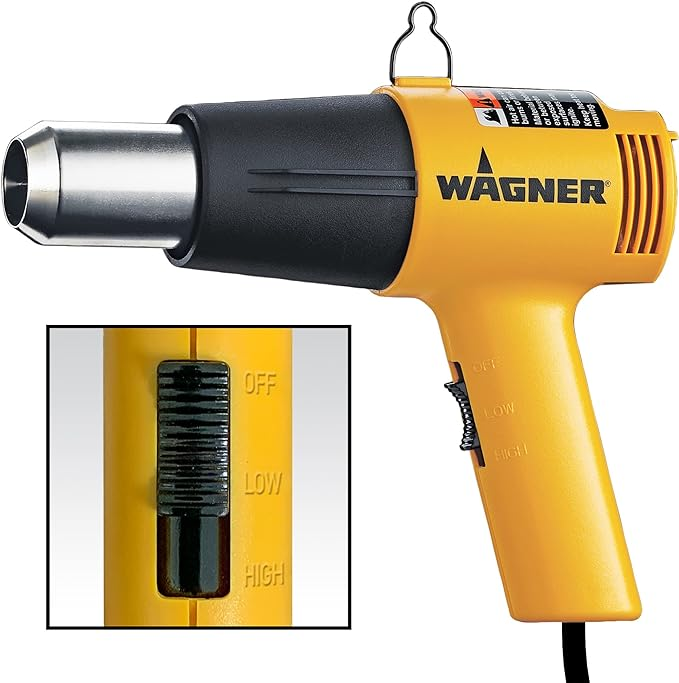
A hairdryer can replace a heat gun. It softens the vinyl slightly for peeling. Use it on a low or medium setting. A plastic putty knife works well to lift edges. Avoid metal tools to prevent scratches.
Use a fishing line or dental floss to cut the vinyl gently. It helps separate layers without heat. A sponge soaked in warm water can soften the adhesive. Let it sit on the vinyl for a few minutes before peeling.
Credit: www.housecallpro.com
Preparation Steps
Removing vinyl wrap without a heat gun requires careful preparation. This step helps prevent damage to your surface and makes the process smoother. Proper preparation saves time and effort later.
Clean The Surface
Start by cleaning the vinyl wrap and the area around it. Use a mild soap and water solution. Dirt or dust can cause scratches during removal. Wipe the surface with a soft cloth. Let it dry completely before you begin removing the wrap.
Protect Surrounding Areas
Cover parts near the vinyl wrap to avoid damage. Use painter’s tape and plastic sheets or newspapers. This protects paint and trim from scratches or adhesive residue. Take time to secure these materials firmly. It keeps the work area neat and safe.
Peeling Techniques
Removing vinyl wrap without a heat gun needs careful peeling techniques. These methods help take off the wrap without damage. Patience and the right tools make the job easier and cleaner.
Slow And Steady Pull
Start peeling from one corner of the vinyl wrap. Pull the wrap slowly at a low angle, close to the surface. This reduces the risk of tearing or leaving adhesive behind. A steady pull keeps the vinyl from stretching or snapping. Take breaks if the wrap resists. This lets the adhesive soften slightly and eases removal.
Using Plastic Scrapers
Plastic scrapers help lift the vinyl without scratching the surface. Gently slide the scraper under the edge of the wrap. Move it slowly to separate the vinyl from the surface. Avoid metal tools to prevent damage. Use small, controlled motions to keep the wrap intact. Scrapers work well for tight spots and edges hard to grab.
Adhesive Removal
Removing vinyl wrap leaves sticky adhesive residue. This residue can be tough to clean without damage. Proper adhesive removal is key to a smooth surface. Using gentle, effective methods protects your paint and saves time. Here are three easy ways to remove adhesive without a heat gun.
Using Rubbing Alcohol
Rubbing alcohol is a simple and cheap adhesive remover. Apply it on a soft cloth or cotton ball. Dab the sticky areas gently until the adhesive loosens. Avoid soaking the surface to prevent damage. Wipe clean with a dry cloth afterward. Repeat if residue remains for a spotless finish.
Applying Vinegar Solution
Vinegar breaks down adhesive naturally and safely. Mix equal parts of white vinegar and water in a spray bottle. Spray the solution on the sticky spots and wait five minutes. Use a soft cloth to rub the adhesive away. This method is eco-friendly and gentle on paint. Rinse the area with water after cleaning.
Commercial Adhesive Removers
Commercial removers target tough adhesives quickly. Choose products made for vinyl wrap or automotive use. Follow the instructions carefully for best results. Test the remover on a small hidden spot first. Apply with a cloth and rub gently. Clean the surface with soap and water afterward. These products save effort on stubborn glue.
Safety Tips
Removing vinyl wrap without a heat gun requires care to avoid injuries. Following safety tips is very important. These tips help protect your skin and keep the air safe to breathe. A safe workspace helps you finish the job smoothly.
Protecting Your Skin
Wear gloves to keep chemicals off your skin. Some adhesives can cause irritation or allergies. Long sleeves protect your arms from scratches and glue. Use gentle scrapers to avoid cuts. Always wash your hands after finishing the job.
Working In Well-ventilated Areas
Adhesive removers release strong fumes. These fumes can hurt your lungs or cause dizziness. Open windows and doors to let fresh air in. Use a fan to move air around the room. Avoid working in small, closed spaces without airflow.

Credit: oshark.com
Common Challenges
Removing vinyl wrap without a heat gun can be tricky. The process demands patience and care. Several common challenges can arise during removal. Understanding these challenges helps you avoid mistakes and damage. Focus on the main difficulties to prepare yourself better.
Dealing With Stubborn Areas
Some parts of the vinyl wrap stick tighter than others. These stubborn areas resist peeling and tear easily. Use slow, gentle pulling to lift the edges. Scrape softly with a plastic tool to loosen stuck sections. Avoid forcing the wrap, which can cause rips. Patience helps to remove these tough spots cleanly.
Preventing Surface Damage
The surface under the wrap can scratch or peel during removal. Sharp tools or fast pulling cause damage. Use soft plastic tools instead of metal scrapers. Work slowly to keep the surface intact. Clean the surface gently after removing the vinyl. Protecting the surface keeps your vehicle or item looking good.
Aftercare
After removing a vinyl wrap without a heat gun, proper aftercare is essential. It helps protect the surface and keeps it looking good. Taking care of the area prevents damage and makes the surface last longer.
Cleaning Residue
Vinyl wrap leaves sticky residue on the surface. Use a gentle adhesive remover or rubbing alcohol. Apply with a soft cloth and rub gently. Avoid harsh chemicals that can damage paint or plastic. Clean until the surface feels smooth and residue-free. Rinse with water and dry with a clean towel.
Surface Maintenance
After cleaning, check the surface for any scratches or marks. Use a mild soap and water solution to wash the area. Dry it completely to avoid water spots. Apply a protective wax or polish to restore shine and protect paint. Regular cleaning helps keep the surface fresh and damage-free.

Credit: www.youtube.com
Frequently Asked Questions
How Can I Remove Vinyl Wrap Without A Heat Gun?
You can use plastic scrapers and soapy water to loosen the vinyl wrap. Peel slowly to avoid damage. Patience is key.
What Household Items Help Remove Vinyl Wrap Safely?
Items like plastic cards, warm soapy water, and adhesive remover work well. Avoid metal tools to prevent scratches.
Is It Possible To Remove Vinyl Wrap Without Damaging Paint?
Yes, by peeling slowly and using gentle tools, you protect the paint. Avoid harsh chemicals that can harm the surface.
How Long Does Vinyl Wrap Removal Take Without Heat?
Removal time varies but expect 30 minutes to a few hours. Taking your time ensures clean removal without damage.
Conclusion
Removing vinyl wrap without a heat gun is possible and safe. Use gentle tools like plastic scrapers and warm soapy water. Take your time to avoid damage to the surface underneath. Patience pays off in clean, smooth results. This method works well for many types of wraps.
Keep your workspace clean and bright for better visibility. You don’t need special equipment to do the job right. With simple steps, you can finish the task successfully and easily.

