
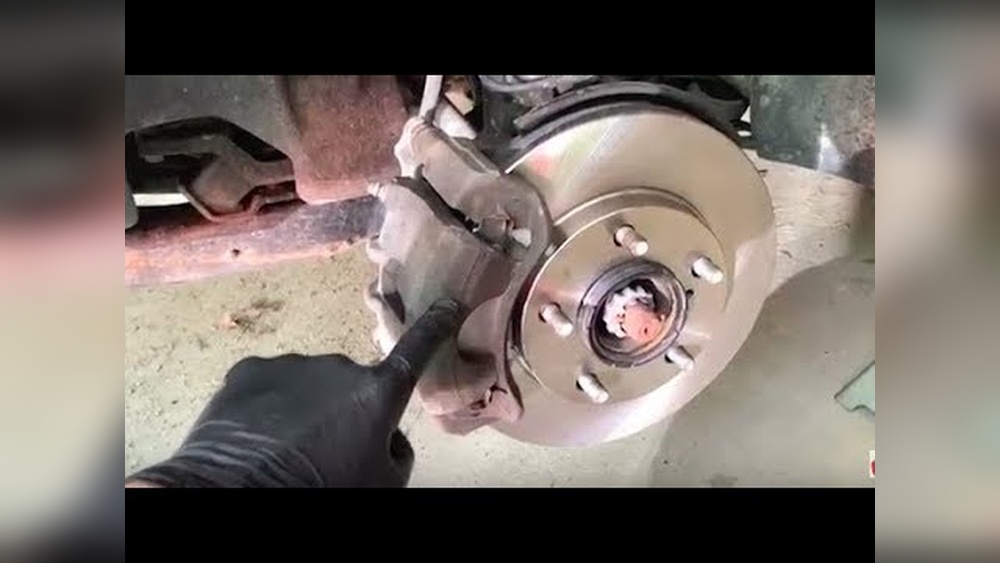
If your Toyota Camry is making squeaky noises or you feel a vibration when braking, it’s time to check your brake pads and rotors. Replacing them might sound tricky, but with the right steps, you can do it yourself and save money.
Imagine driving with confidence, knowing your brakes are fresh and reliable. In this guide, you’ll learn exactly how to replace your brake pads and rotors quickly and safely. Ready to take control of your car’s safety? Keep reading to find out how easy it can be.

Credit: www.amazon.com
Tools And Materials Needed
Replacing brake pads and rotors on a Toyota Camry requires specific tools and materials. Having the right items ready makes the job easier and safer. This section lists all essential tools and materials needed for the task.
Basic Hand Tools
You will need a set of wrenches and sockets. A ratchet wrench helps remove bolts quickly. Screwdrivers come in handy for prying and adjusting parts. A hammer might be necessary to loosen stuck components.
Brake Pad And Rotor Replacement Parts
Purchase brake pads and rotors designed for your Camry model. Avoid cheap parts that wear out fast. Choose quality parts to ensure proper braking and safety.
Brake Cleaner And Lubricants
Use brake cleaner spray to remove dust and grease. Apply brake lubricant on sliding parts to prevent noise and wear. These materials keep brakes working smoothly.
Safety Equipment
Wear safety glasses to protect your eyes from debris. Use gloves to avoid dirt and chemicals on your hands. A jack stand is crucial to support the car safely during work.
Additional Tools
A C-clamp or brake piston tool helps push the brake piston back. A torque wrench ensures bolts are tightened to the correct specification. Wheel chocks keep the vehicle from moving while you work.
Preparing Your Workspace
Clear a flat area to work safely on your Toyota Camry. Gather all tools and parts before starting the brake pad and rotor replacement. Ensure good lighting to see every step clearly.
Clearing The Area Around Your Toyota Camry
Start by choosing a flat, stable surface for your work. This keeps your car steady and safe. Remove any objects or debris near the car. You need enough room to move freely around the vehicle. Clear space helps prevent accidents and makes tasks easier.
Gathering Essential Tools And Supplies
Collect all tools before starting. You will need a jack, jack stands, lug wrench, socket set, and brake cleaner. Have new brake pads and rotors ready. Keep a clean cloth and gloves nearby. Having everything handy saves time and avoids interruptions.
Setting Up Safety Measures
Wear protective gloves and safety glasses. Use wheel chocks to stop the car from rolling. Place jack stands under the car after lifting it. Never rely only on the jack to hold the vehicle. Safety is crucial for a smooth brake job.
Removing The Wheel
Removing the wheel is the first step to access the brake pads and rotors on your Toyota Camry. This step requires care and the right tools. Proper wheel removal ensures safety and smooth progress in the brake replacement process.
Start by loosening the lug nuts. Do this before lifting the car. It prevents the wheel from spinning and makes removal easier.
Prepare Your Workspace
Park your car on a flat surface. Engage the parking brake. Place wheel chocks behind the wheels for extra safety. Gather tools like a lug wrench and jack.
Loosen The Lug Nuts
Use the lug wrench to turn each lug nut counterclockwise. Do not remove them completely yet. Loosen all lug nuts slightly to make removal easier after lifting.
Lift The Vehicle Safely
Position the jack under the car’s jacking point. Lift the car until the wheel is off the ground. Make sure the car is stable before continuing.
Remove The Lug Nuts And Wheel
Now, remove the lug nuts fully. Keep them in a safe place. Carefully pull the wheel straight off the hub. Set the wheel aside to avoid damage.
Accessing The Brake Assembly
Start by safely lifting the Toyota Camry and removing the wheel. Next, unbolt the caliper to reveal the brake assembly for easy access. This step is key to changing brake pads and rotors smoothly.
Prepare Your Toyota Camry
Start by parking your Camry on a flat surface. Engage the parking brake for safety. Place wheel chocks behind the rear wheels. Loosen the lug nuts on the front wheels slightly before lifting the car. Use a jack to raise the front end. Secure the vehicle with jack stands. Never rely on the jack alone to hold the car.
Remove The Wheel
Fully remove the lug nuts. Take off the front wheel carefully. Set the wheel aside in a safe place. This gives clear access to the brake assembly. Avoid scratching the wheel or hub surface.
Locate The Brake Assembly
Look inside the wheel well for the brake assembly. Identify the brake caliper, rotor, and pads. The caliper holds the brake pads in place. The rotor is the round metal disc behind the caliper. Understanding these parts helps with the next steps.
Removing Old Brake Pads
Removing old brake pads is a key step in replacing brake pads and rotors on your Toyota Camry. This process prepares the brake system for new parts, ensuring better stopping power and safety. Careful removal prevents damage to other brake components and makes installation easier.
Brake pads wear down over time and need replacement to keep brakes effective. Old pads might look thin, cracked, or uneven. Removing them properly helps check the condition of other parts like the caliper and rotor.
Lift The Vehicle And Remove The Wheel
Start by lifting the Camry using a jack. Secure it with jack stands for safety. Remove the lug nuts and take off the wheel. This exposes the brake assembly.
Locate And Remove The Brake Caliper Bolts
Find the bolts holding the brake caliper in place. Use a socket wrench to loosen and remove them. Keep the bolts safe for reinstallation.
Carefully Remove The Brake Caliper
Slide the caliper off the rotor gently. Do not let it hang by the brake hose. Use a hook or rest it on a secure surface.
Take Out The Old Brake Pads
The brake pads sit inside the caliper bracket. Pull them out carefully. Note their position and orientation for installing new pads.
Removing Brake Rotors
Removing brake rotors on a Toyota Camry is a key step in replacing brake pads and rotors. It allows you to access worn parts and prepare for new components. This process needs care to avoid damage and ensure safety. Follow each step carefully for a smooth removal.
Prepare The Vehicle
Park the car on a flat surface. Apply the parking brake. Loosen lug nuts slightly before lifting the car. Use a jack to raise the vehicle and secure it with jack stands. Remove the wheel to expose the brake assembly.
Remove The Brake Caliper
Locate the caliper bolts on the back of the brake caliper. Use a wrench to remove these bolts. Carefully slide the caliper off the rotor. Support the caliper with a hanger or rope to avoid strain on the brake line.
Detach The Caliper Bracket
Find the bolts holding the caliper bracket to the wheel hub. Remove these bolts with the correct socket. Take off the bracket to free the rotor completely. This step is necessary for rotor removal on most Camry models.
Remove The Brake Rotor
Check for retaining screws on the rotor surface and remove if present. Pull the rotor straight off the wheel hub. If stuck, tap it gently with a rubber mallet to loosen it. Avoid using excessive force to prevent damage.
Installing New Rotors
Start by removing the old brake rotors carefully from your Toyota Camry. Clean the area before placing the new rotors to ensure proper fit and function. Tighten all bolts securely for safe braking performance.
Preparing The Hub For New Rotors
Clean the hub surface thoroughly. Remove all rust and debris. A smooth hub ensures the rotor fits well. Use a wire brush or sandpaper. Wipe the area with a clean cloth. This step prevents rotor wobble and noise.
Aligning And Placing The Rotor
Place the new rotor onto the hub carefully. Align the holes with the lug studs. Press the rotor firmly against the hub. Make sure it sits flat and even. Some rotors have a protective coating—remove it before installation.
Securing The Rotor Properly
Install any retaining screws if your Camry has them. Tighten the screws to hold the rotor in place. Do not over-tighten to avoid damage. This keeps the rotor from moving during brake pad installation. Double-check the rotor’s position before moving on.
Credit: www.rosevilletoyota.com
Installing New Brake Pads
Installing new brake pads on your Toyota Camry is a key step in the brake replacement process. Proper installation ensures safe driving and effective braking. Take your time and follow each step carefully.
Prepare The Brake Caliper
Start by pushing the brake caliper piston back into its housing. Use a C-clamp or brake caliper tool for this. This creates space for the new, thicker brake pads.
Make sure the piston moves smoothly. Avoid damaging the rubber seals around it.
Position The New Brake Pads
Place the new brake pads into the caliper bracket. Align them so they fit snugly against the rotor. Check that the friction surface faces the rotor.
Some brake pads have clips or shims. Attach these as needed to reduce noise and vibration.
Reinstall The Brake Caliper
Carefully position the brake caliper over the new pads. Line up the bolt holes. Insert the caliper bolts and tighten them securely.
Do not overtighten. Use a torque wrench to reach the manufacturer’s recommended settings.
Check The Brake System
Press the brake pedal several times to seat the new pads. The pedal should feel firm and responsive.
Look for any leaks or unusual noises. Ensure everything is in place before lowering your vehicle.
Reassembling The Brake Components
Reassembling the brake components on your Toyota Camry is a crucial step. It ensures your brakes work correctly and safely. Take your time and follow each step carefully. Proper reassembly restores brake performance and keeps you safe on the road.
Installing The New Brake Pads
Start by placing the new brake pads into the caliper bracket. Make sure they fit snugly and align with the rotor. Avoid touching the friction surface to keep them clean. Check the pads sit evenly and securely before moving on.
Securing The Caliper
Next, carefully position the caliper over the new brake pads. Align it with the mounting bolts and thread them by hand first. Tighten the bolts firmly using a wrench, but do not over-tighten. Proper caliper fit is essential for brake function.
Reattaching The Brake Hardware
Reinstall any clips, pins, or springs you removed earlier. These parts keep the pads in place and reduce noise. Ensure each piece fits correctly and moves freely. Missing hardware can cause brake issues and uneven pad wear.
Checking Brake Fluid And Bleeding
Inspect the brake fluid level in the master cylinder. Add fluid if needed to keep it at the recommended level. Bleed the brakes to remove any air trapped in the system. Air in the lines can cause a soft or spongy brake pedal.
Final Inspection And Test
Double-check all bolts and components for tightness. Spin the rotor by hand to ensure it moves freely without rubbing. Press the brake pedal several times to seat the pads. Test drive slowly to confirm the brakes respond properly.
Testing The Brake System
Testing the brake system is a crucial step after replacing brake pads and rotors on your Toyota Camry. It ensures your brakes work correctly and keep you safe on the road. This process helps detect any issues early. It also confirms the new parts function as expected.
Start by checking the brake pedal feel. The pedal should be firm and not sink to the floor. A soft pedal may indicate air in the brake lines or other problems. Next, test the brake response at low speeds. The car should slow down smoothly without pulling to one side.
Listen for unusual noises during braking. Grinding or squealing sounds may mean the pads or rotors are not installed properly. Also, watch for vibrations in the steering wheel or brake pedal. These can signal warped rotors or loose parts.
Checking Brake Fluid Levels
Brake fluid keeps the system working under pressure. Open the hood and find the brake fluid reservoir. Make sure the fluid level is between the minimum and maximum marks. Low brake fluid can cause poor brake performance and may signal a leak.
Performing A Road Test
Drive slowly in a safe, open area. Apply the brakes gently at first, then increase pressure. The car should stop steadily and predictably. Test braking in a straight line to ensure no pulling occurs. Listen for any odd noises or vibrations.
Inspecting For Leaks And Damage
After the road test, check around the brake components. Look for any fluid leaks near the calipers, hoses, or master cylinder. Inspect the brake lines for cracks or wear. Confirm all bolts and parts are tight and secure.
Tips For Brake Maintenance
Brake maintenance is important for your Toyota Camry’s safety and performance. Proper care helps your brakes last longer and work better. Small checks and simple actions can prevent big problems. Keep your brakes smooth and quiet with regular upkeep.
Check Brake Pads Regularly
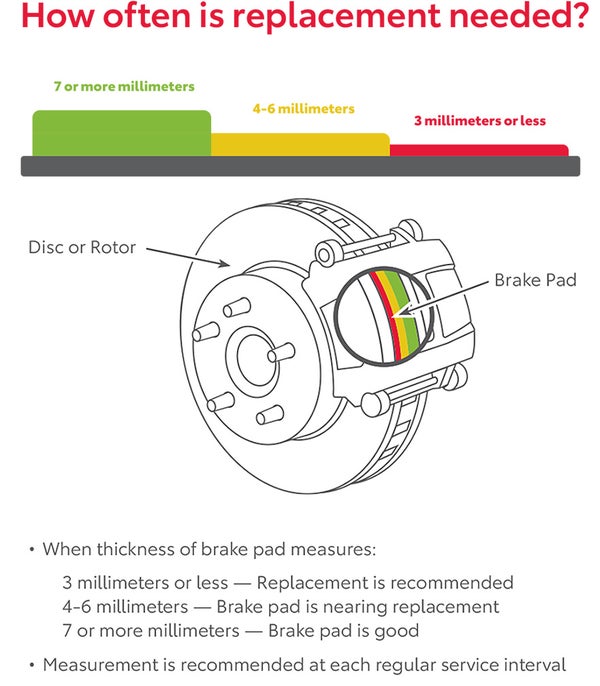
Look at your brake pads every few months. Thin pads need replacing soon. Worn pads reduce stopping power and can damage rotors. Listen for squeaking sounds—they show pads might be low.
Inspect Rotors For Damage
Rotors must be smooth and even. Deep grooves or cracks mean rotor replacement. Uneven rotors cause vibration when braking. Clean rotors often to avoid rust build-up.
Keep Brake Fluid Clean
Brake fluid moves force from pedal to brakes. Dirty fluid lowers brake performance. Change fluid every 2 years or as the manual suggests. Use the correct type for your Camry.
Avoid Hard Braking
Hard stops wear pads and rotors faster. Drive smoothly and brake early. This saves your brake parts and fuel. It also keeps passengers comfortable.
Listen For Warning Signs
Strange noises or a soft brake pedal need attention. Pulling to one side or a long stopping distance are warning signs. Address issues quickly to avoid costly repairs.

Credit: www.youtube.com
Frequently Asked Questions
How Often Should I Replace Brake Pads On A Toyota Camry?
Brake pads typically need replacement every 30,000 to 70,000 miles. Check for squeaking sounds or reduced braking power as signs to replace them sooner.
Can I Replace Brake Rotors And Pads Myself?
Yes, you can replace brake rotors and pads yourself with basic tools. Follow safety steps and a detailed guide specific to Toyota Camry for best results.
What Tools Are Required For Brake Pad And Rotor Replacement?
You will need a jack, lug wrench, socket set, C-clamp, and a torque wrench. These tools help safely remove and install brake components on your Camry.
How Do I Know When Rotors Need Replacement?
Replace rotors if they are warped, cracked, or below minimum thickness. Uneven braking or vibration during stops also indicates rotor issues.
Conclusion
Replacing brake pads and rotors on your Toyota Camry is simple with the right steps. Take your time and follow safety rules carefully. Clean parts and use proper tools for best results. This task helps keep your car safe and smooth to drive.
Regular brake checks prevent bigger problems later. Now, you can save money and feel confident handling brake maintenance. Keep your Camry in top shape by caring for brakes regularly.


