

If you’ve noticed squeaky brakes or your car pulling to one side, it’s time to check your brake rotors and pads. Replacing them might sound complicated, but with the right steps, you can do it yourself and save money.
Imagine the confidence you’ll feel knowing your brakes are fresh and reliable. In this guide, you’ll learn exactly how to replace your brake rotor and pads safely and easily. Keep reading, and soon you’ll have smoother, safer stops every time you drive.

Credit: www.youtube.com
Tools And Materials Needed
Replacing brake rotors and pads requires the right tools and materials. Using proper equipment makes the job safer and easier. Gather all necessary items before starting to avoid interruptions. This section lists the essential tools and materials for the task.
Basic Hand Tools
You need a set of wrenches and sockets. Common sizes are 13mm, 14mm, and 17mm. A ratchet wrench helps to remove bolts quickly. A flathead screwdriver assists in prying off clips and parts.
Brake Caliper Tool
This tool compresses the caliper piston. It allows new, thicker brake pads to fit properly. Use a brake caliper tool or a C-clamp for this step.
Jack And Jack Stands
A hydraulic jack lifts the vehicle safely. Jack stands secure the car in place. Never work under a car supported only by a jack.
New Brake Rotors And Pads
Choose rotors and pads that match your vehicle model. OEM or quality aftermarket parts provide good performance. Check the parts for defects before installation.
Brake Cleaner
Brake cleaner removes dust and grease. It keeps brake parts clean for better function. Spray it on rotors and calipers before assembly.
Protective Gear
Wear gloves to protect your hands. Use safety glasses to shield your eyes. Brake dust can irritate skin and eyes.
Preparing The Vehicle
Preparing the vehicle is the first step in replacing brake rotors and pads. Proper preparation keeps you safe and makes the job easier. It also prevents damage to the car or parts.
Securing The Car
Park the car on a flat surface. Use the parking brake to stop it from moving. Place wheel chocks behind the wheels that stay on the ground. This stops the car from rolling.
Loosen the lug nuts on the wheel before lifting the car. Do not remove them yet. Use a car jack to raise the vehicle. Lift it high enough to remove the wheel safely.
Always use jack stands after lifting. Never rely only on the jack. Place jack stands under the car frame for support. Lower the car gently onto the stands.
Removing The Wheel
Fully unscrew the loosened lug nuts. Keep them in a safe place. Pull the wheel straight off the hub. If the wheel sticks, tap it gently with a rubber mallet.
Set the wheel aside on a flat surface. Avoid placing it where it can roll or fall. Now, you have clear access to the brake rotor and pads.
Removing Old Brake Components
Removing old brake components is the first step in replacing brake rotors and pads. It needs care and the right tools. This process clears the way for new parts to fit and work well. Follow these steps to detach the caliper, remove brake pads, and take off the rotor safely.
Detaching The Caliper
Start by loosening the bolts that hold the caliper. Use a wrench or socket set for this. Carefully slide the caliper off the rotor. Support it with a hanger or rest it on a solid surface. Avoid letting it hang by the brake hose to prevent damage.
Removing Brake Pads
With the caliper off, the brake pads are easy to access. Pull the old pads out of their slots. Check for wear and any damage. Clean the area before installing new pads. This helps the brakes work smoothly.
Taking Off The Rotor
Remove any screws or clips that hold the rotor in place. If the rotor sticks, tap it gently with a rubber mallet. Do not use too much force. Lift the rotor off the hub carefully. It might be heavy or rusted in place.

Credit: vatire.com
Inspecting Brake System Parts
Inspecting the brake system parts is a key step before replacing the rotor and pads. This helps ensure the whole system works well and stays safe. Careful checks can prevent future problems and save money on repairs. Focus on the main parts: calipers, brake lines, and the rotor surface. Each part affects how well your brakes perform.
Checking Caliper Condition
Calipers hold the brake pads and press them against the rotor. Look for leaks, cracks, or rust on the caliper body. Check if the caliper moves smoothly on its slides. Stuck or damaged calipers can cause uneven brake wear and poor stopping power.
Examining Brake Lines
Brake lines carry brake fluid to the calipers. Look for cracks, bulges, or leaks on the lines. Damaged lines can cause brake fluid loss and reduce braking force. Make sure the brake lines are tight and properly connected to avoid air entering the system.
Assessing Rotor Surface
The rotor surface must be smooth and free of deep grooves or cracks. Run your hand gently over the rotor to feel for rough spots. Thin or warped rotors affect braking and can cause vibrations. Replace rotors that show heavy wear or damage to keep brakes effective.
Installing New Brake Rotor
Installing a new brake rotor is a key step after removing the old one. It helps ensure your brakes work smoothly and safely. Taking time to prepare the hub and mount the rotor correctly makes a big difference. Follow these clear steps to get it right.
Cleaning The Hub
Start by cleaning the hub surface. Dirt and rust can stop the rotor from sitting flat. Use a wire brush or sandpaper to remove all debris. Wipe the hub with a clean cloth to clear dust. This creates a smooth base for the new rotor.
Mounting The Rotor
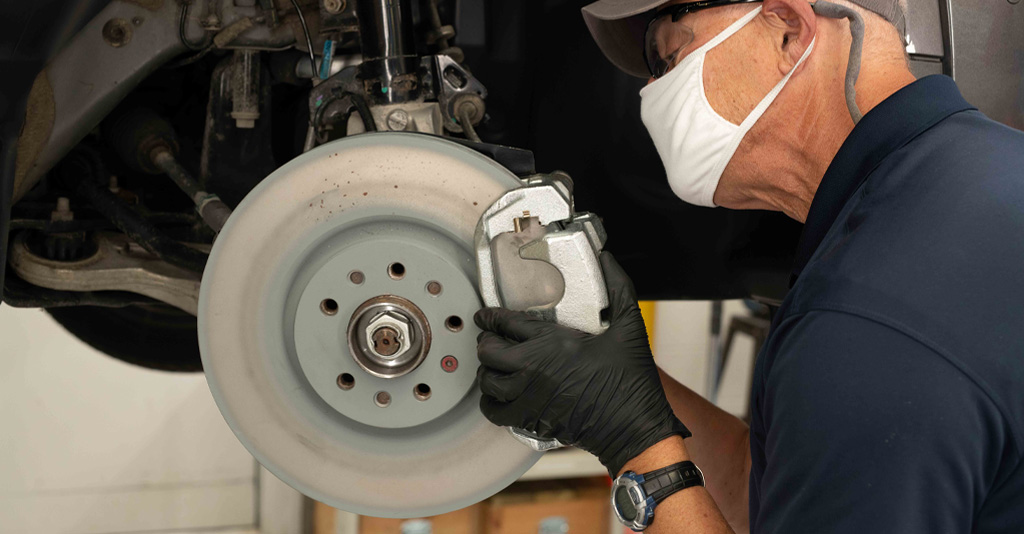
Place the new rotor on the hub carefully. Align the holes on the rotor with the wheel studs. Push the rotor firmly against the hub. Use lug nuts to hold it in place temporarily. Tighten nuts in a star pattern to keep the rotor even.
Credit: www.advicsaftermarket.com
Replacing Brake Pads
Replacing brake pads is a key step in maintaining your car’s braking system. Worn pads reduce braking power and increase stopping distance. New pads restore safety and improve driving control. This section explains how to replace brake pads safely and correctly.
Preparing The Caliper
Start by removing the caliper bolts carefully. Use a wrench that fits well to avoid damage. Lift the caliper off the rotor and support it with a hanger or wire. Avoid letting the caliper hang by the brake hose. Use a brake piston tool or C-clamp to push the piston back into the caliper. This creates space for the new, thicker pads.
Inserting New Pads
Place the new brake pads into the caliper bracket. Ensure the friction side faces the rotor. Double-check the pads sit securely without movement. Slide the caliper back over the new pads and rotor. Tighten the caliper bolts to the correct torque. This step keeps everything in place for safe braking.
Reassembling Brake Components
Reassembling brake components is a vital step after replacing the rotor and pads. Proper assembly ensures your brakes work safely and efficiently. Take your time and check each part carefully. Follow the steps below to secure everything correctly and get your vehicle ready to drive.
Securing The Caliper
Place the brake caliper back over the rotor and pads. Align it with the mounting bracket carefully. Insert the caliper bolts by hand first to avoid cross-threading. Tighten the bolts using a wrench to the manufacturer’s torque specs. Make sure the caliper moves smoothly but is firmly held in place. Check for any loose parts or gaps before moving on.
Reattaching The Wheel
Position the wheel onto the hub, matching the holes with the studs. Hand-tighten the lug nuts to hold the wheel in place. Lower the vehicle slightly so the wheel touches the ground and won’t spin. Use a wrench to tighten the lug nuts in a star pattern. This method ensures even pressure and a secure fit. Fully lower the vehicle and do a final check on all nuts.
Final Checks And Testing
After replacing the brake rotor and pads, completing final checks is crucial. These steps ensure your brakes work safely and efficiently. Testing helps spot any issues before driving on the road.
Checking Brake Fluid
Start by checking the brake fluid level in the reservoir. The fluid should be between the minimum and maximum marks. Low fluid may cause poor brake performance.
Look for any leaks around the brake lines and calipers. Clean fluid looks clear or light yellow. Dark or dirty fluid needs replacement for better brake response.
Testing Brake Performance
Test brakes in a safe, open area. Press the brake pedal slowly to check for firmness. The pedal should not feel soft or sink to the floor.
Drive at low speed and apply the brakes gently. The vehicle should stop smoothly without pulling to one side. Listen for unusual noises like grinding or squeaking.
Repeat braking a few times to ensure consistent performance. Proper testing confirms the job is done right and your safety is secured.
Frequently Asked Questions
How Often Should Brake Rotors Be Replaced?
Brake rotors typically need replacement every 30,000 to 70,000 miles. Signs include vibrations, noise, or visible wear. Regular inspections help ensure safety and optimal braking performance.
What Tools Are Needed To Replace Brake Pads And Rotors?
Common tools include a jack, lug wrench, socket set, C-clamp, and brake cleaner. These tools help safely remove and install brake components efficiently.
Can I Replace Brake Rotors And Pads Myself?
Yes, with basic mechanical skills and proper tools, you can replace them. Follow safety guidelines and manufacturer instructions carefully to ensure correct installation.
How Do I Know If My Brake Rotors Are Warped?
Warped rotors cause steering wheel vibrations during braking. You may also hear squealing or grinding noises. A mechanic can measure rotor thickness and runout for confirmation.
Conclusion
Replacing brake rotors and pads keeps your car safe and smooth. Follow each step carefully and take your time. Use the right tools and check all parts before finishing. Clean work helps brakes last longer and work better. Regular maintenance saves money and avoids big repairs later.
You can do this job yourself with patience and care. Stay safe on the road by keeping brakes in good shape. Simple, clear steps make the process easier for everyone.


