

Are you looking to give your plain box a fresh, eye-catching look without spending a fortune? Vinyl wrapping is the perfect solution, and it’s easier than you might think.
You’ll learn simple, step-by-step tips to transform your box into something stylish and unique. Whether it’s for storage, gifts, or decoration, wrapping your box with vinyl will make it stand out. Ready to discover how to do it yourself and impress everyone around you?
Keep reading, and you’ll be a vinyl wrap pro in no time.
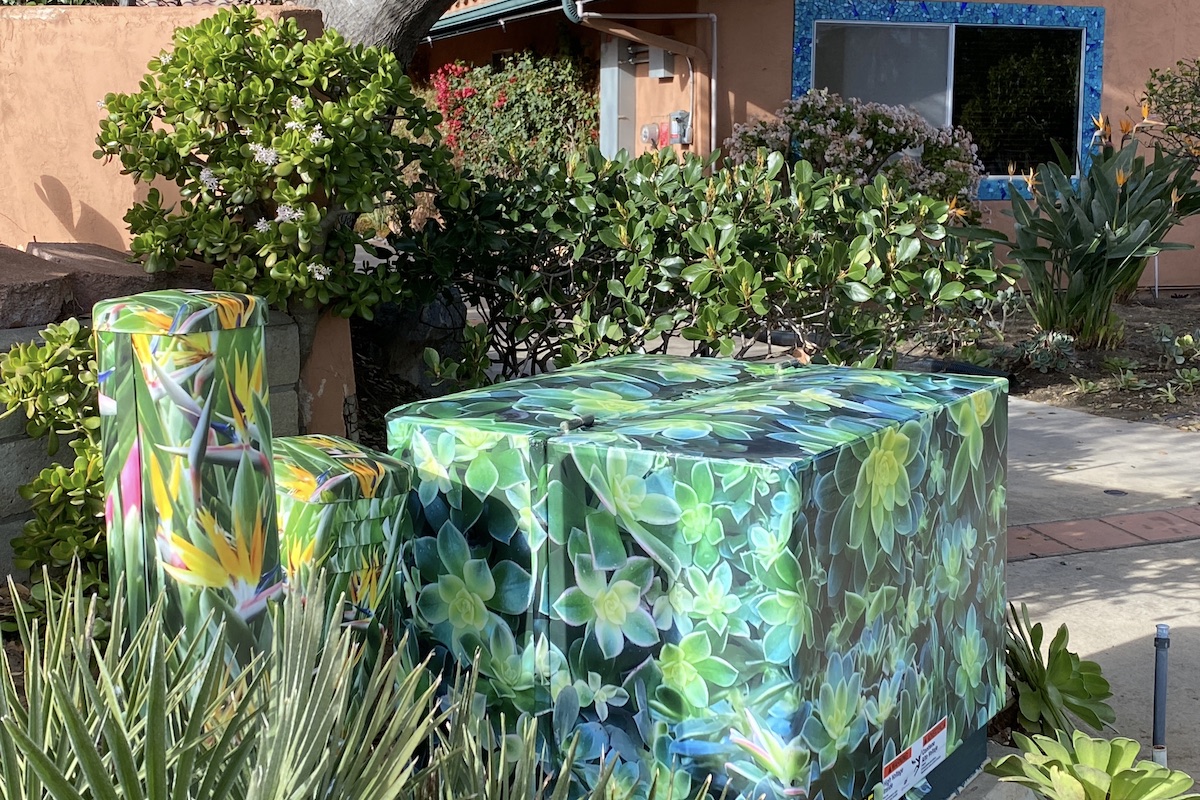
Credit: debraleebaldwin.com
Choosing The Right Vinyl
Choosing the right vinyl is the first step to a smooth and lasting wrap. The vinyl you pick affects how well the wrap sticks and how it looks on your box. Different projects need different types of vinyl. Knowing which one fits your box ensures a better finish and durability.
Types Of Vinyl Wraps
There are several types of vinyl wraps. Cast vinyl is thin, flexible, and lasts longer. It works well on curved surfaces. Calendered vinyl is thicker and cheaper. It suits flat or simple shapes. Look for air-release technology. It helps avoid bubbles and makes application easier.
Selecting Color And Finish
Color changes the whole look of your box. Choose a color that fits your style or purpose. Matte vinyl offers a smooth, non-shiny finish. Glossy vinyl shines and stands out more. Satin finish is between matte and glossy. Some vinyls also have textures like carbon fiber or brushed metal. These add extra style.
Measuring Your Box
Measure your box carefully before buying vinyl. Measure height, width, and depth. Add extra inches to cover edges and mistakes. Accurate measurements prevent wasting vinyl and extra costs. Use a soft tape measure for best results. Double-check measurements for all sides of the box.
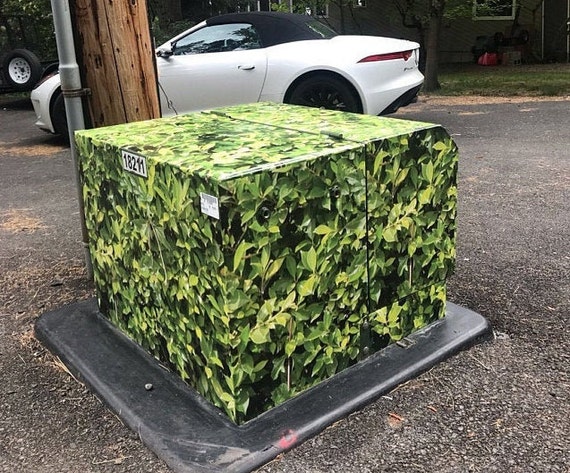
Credit: www.etsy.com
Preparing The Box
Preparing the box is a key step before applying vinyl wrap. This step helps the vinyl stick well. It also makes sure the finish looks smooth and clean. Taking time here saves effort later.
Cleaning The Surface
Start by cleaning the box surface with soap and water. Use a soft cloth to remove dirt and oil. Avoid harsh chemicals that can damage the box. Let the surface dry completely before moving on.
Sanding And Smoothing
Lightly sand the box with fine-grit sandpaper. This removes rough spots and old paint if any. Sanding creates a better grip for the vinyl wrap. Be gentle to avoid damaging the box edges.
Removing Dust And Debris
After sanding, dust off the box using a clean cloth or brush. Use a tack cloth to pick up tiny particles. Dust can cause bubbles and wrinkles in the vinyl. Make sure the surface is spotless before wrapping.
Cutting The Vinyl
Cutting the vinyl correctly is very important for a neat wrap. It helps the vinyl fit the box perfectly. Careful cuts prevent wrinkles and bubbles. Take your time and be precise.
Follow these steps to cut the vinyl accurately and cleanly. This will make wrapping easier and give a professional look.
Measuring For Each Side
Measure each side of the box carefully. Use a ruler or measuring tape for accuracy. Write down the length and width of every side. Measure twice to avoid mistakes. Each side needs its own vinyl piece. This helps the wrap fit well and look smooth.
Allowing For Overlap
Add extra vinyl around the edges. Leave about one inch of overlap on each side. This extra vinyl helps cover edges and corners fully. It also makes it easier to handle during wrapping. Without overlap, edges may peel or look rough.
Using Sharp Cutting Tools
Use sharp scissors or a craft knife for clean cuts. Dull blades can tear the vinyl or make jagged edges. Cut slowly and steadily to keep control. Replace blades if they become dull. Sharp tools give a smooth finish and save time.
Credit: www.youtube.com
Applying The Vinyl
Applying the vinyl wrap to your box is the key step that brings everything together. This part requires care and patience to avoid mistakes. Small errors can create bubbles or wrinkles that spoil the look. Follow each step carefully for a smooth and clean finish.
Peeling The Backing
Start by peeling a small corner of the vinyl backing. Pull it back slowly and evenly. Avoid touching the sticky side too much. This keeps the adhesive strong and clean. Peel just enough to begin placing the vinyl on the box.
Aligning The Vinyl
Hold the vinyl above the box without pressing it down. Check the edges and corners to align the wrap properly. Make sure the design or texture matches your desired position. Adjust it slowly before sticking it firmly. Correct alignment saves time and prevents redoing the work.
Smoothing Out Air Bubbles
Use a flat tool or your hand to press the vinyl onto the box. Start from the center and push outward. This action moves air bubbles to the edges. Work gently to avoid stretching the vinyl. If bubbles appear, lift the vinyl slightly and press again. Smooth vinyl gives the box a professional look.
Wrapping Edges And Corners
Wrapping edges and corners is the hardest part of vinyl wrapping a box. These areas need careful attention to avoid wrinkles and bubbles. A smooth finish here makes your wrap look professional and clean. Use the right techniques to handle these tricky spots well.
Stretching Vinyl For Corners
Stretch the vinyl gently around corners. Pull it slowly to avoid tearing. Stretching helps the vinyl fit tight without wrinkles. Work from the center of the corner outwards. This method keeps the vinyl smooth and even.
Using Heat For Flexibility
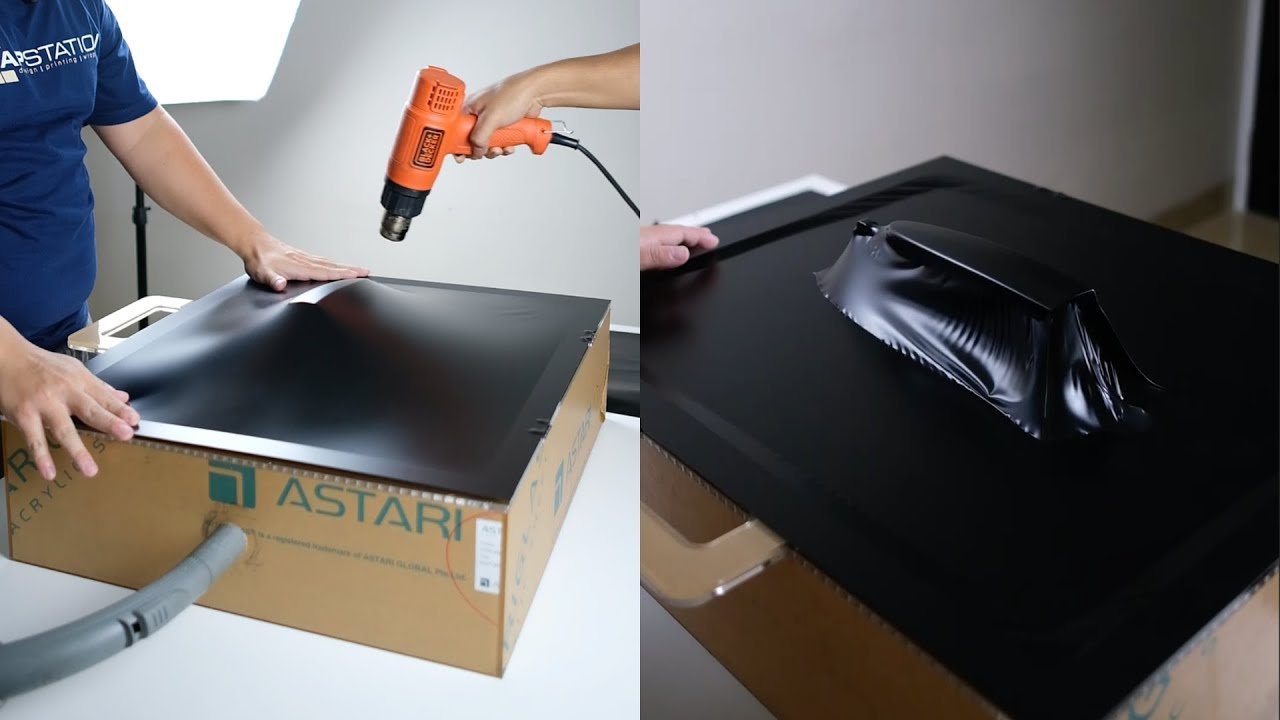
Heat makes vinyl soft and easy to shape. Use a heat gun or hairdryer to warm the vinyl. Warm vinyl stretches better around curves and edges. Heat also helps the vinyl stick firmly. Keep the heat moving to avoid damage.
Securing Edges Neatly
Tuck the vinyl edges under the box edges carefully. Use a squeegee to press down edges firmly. Trim any extra vinyl with a sharp blade. Neat edges stop the vinyl from peeling later. Take time to smooth and secure every edge.
Trimming Excess Vinyl
Trimming excess vinyl is an important step when wrapping a box. It gives a clean, sharp look to your project. Removing extra vinyl prevents wrinkles and bubbles. Neat edges make the wrap appear professional. Take your time to cut carefully. The right tools help you trim with precision.
Using Precision Knives
Use a sharp precision knife or craft blade. These tools cut smoothly without tearing the vinyl. Hold the knife firmly but gently. Cut along the edge of the box slowly. Avoid rushing to prevent mistakes. Change blades if they become dull. A fresh blade ensures a clean cut every time.
Avoiding Damage To The Box
Protect the box while trimming. Place a cutting mat or thick cardboard underneath. This stops the knife from cutting into the box. Use light pressure to avoid dents or scratches. Keep the vinyl taut but not stretched. This helps maintain the box’s shape and prevents damage.
Cleaning Up Cut Edges
After trimming, check the edges carefully. Remove any small vinyl scraps left behind. Smooth the edges with your fingers or a soft cloth. This helps the vinyl stick better and look neat. Clean edges prevent peeling later. Take a moment to inspect your work closely.
Final Touches
Final touches are the most important part of vinyl wrapping a box. They make sure the wrap sticks well and looks smooth. Taking time on these steps prevents bubbles and wrinkles. A neat finish gives your project a professional look. Follow these steps carefully for the best results.
Applying Pressure For Adhesion
Press the vinyl firmly onto the box surface. Use a squeegee or a soft cloth. Work from the center outwards to push air out. Apply steady, even pressure to avoid creases. This helps the vinyl bond tightly with the box. Don’t rush. Take your time to smooth the wrap well.
Using Heat Gun For Finish
Heat softens the vinyl, making it easier to shape. Hold the heat gun a few inches away from the wrap. Move it slowly over the surface to warm the vinyl. Avoid staying too long in one spot. Heat helps the vinyl stretch around edges and corners. It also improves adhesion for a lasting finish.
Inspecting For Flaws
Look closely at every part of the wrapped box. Check for bubbles, wrinkles, or loose edges. Use a pin to gently pop small bubbles. Press down the vinyl edges firmly to secure them. Fix any flaws before the vinyl cools down. A careful inspection ensures a clean and smooth final look.
Maintenance Tips
Maintaining a vinyl-wrapped box helps keep it fresh and lasting longer. Simple care and attention can protect the wrap’s look and strength. Follow these tips to keep the vinyl clean, scratch-free, and easy to fix if damaged.
Cleaning Wrapped Surfaces
Use a soft cloth or sponge to clean the vinyl surface. Choose mild soap mixed with water. Avoid harsh chemicals or abrasive cleaners that can damage the wrap. Gently wipe in a circular motion. Rinse with clean water and dry with a soft towel.
Avoiding Scratches
Keep sharp objects away from the vinyl wrap. Avoid dragging the box on rough surfaces. Handle the wrapped box with care. Use protective covers if you need to store or move it. These steps help prevent scratches and tears.
Repairing Minor Damages
Small scratches or bubbles can be fixed easily. Use a heat gun or hair dryer to warm the area. Press the vinyl gently with a soft cloth or squeegee. For minor cuts, use vinyl repair kits found online or in stores. Acting fast stops damage from worsening.
Frequently Asked Questions
What Materials Do I Need To Vinyl Wrap A Box?
You need vinyl wrap film, a squeegee, a heat gun, a cutting blade, and cleaning supplies. These tools ensure a smooth, bubble-free application on the box’s surface.
How Do I Prepare The Box Before Vinyl Wrapping?
Clean the box thoroughly to remove dust and grease. Ensure the surface is dry and smooth for better vinyl adhesion and a professional finish.
Can I Vinyl Wrap Any Type Of Box?
Vinyl wrap works best on smooth, flat, or slightly curved surfaces. Avoid wrapping heavily textured or porous materials for the best results.
How Do I Avoid Bubbles When Wrapping A Box?
Apply vinyl slowly and use a squeegee to smooth out air pockets. Heat the vinyl gently to improve flexibility and adhesion.
Conclusion
Vinyl wrapping a box can change its look quickly and easily. Start with a clean, dry surface for the best results. Take your time to measure and cut the vinyl carefully. Smooth out bubbles as you go to keep the wrap neat.
Small mistakes can be fixed by lifting and reapplying the vinyl gently. Practice makes the process simpler and more fun. Enjoy your new, stylish box and try wrapping other items next. This skill adds a personal touch to everyday things.


