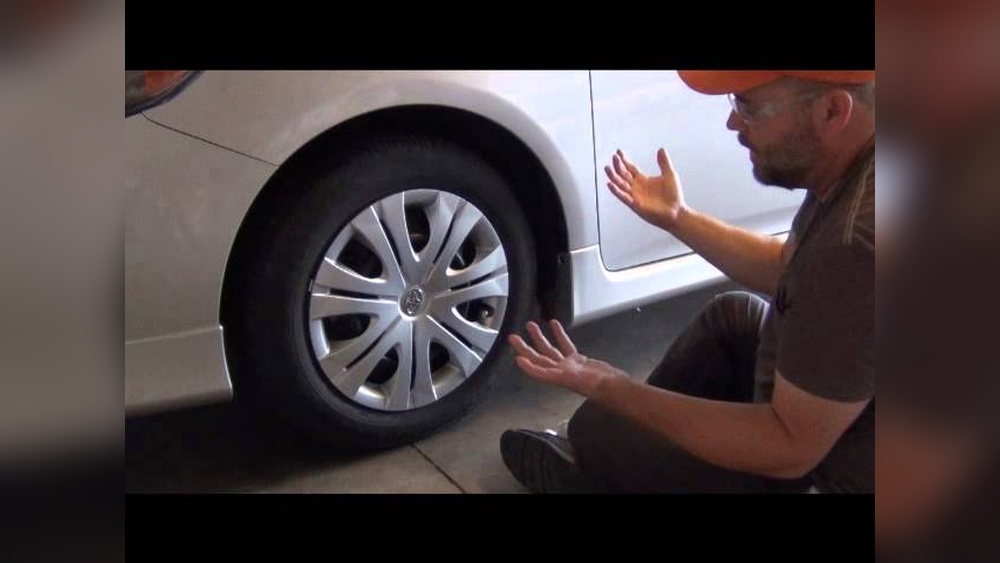
Have you ever wondered what makes mag wheel covers so strong and shiny? If you want to know what elements go into creating these eye-catching accessories for your car, you’re in the right place.
Understanding the materials behind mag wheel covers will help you appreciate their quality and durability. Keep reading to discover exactly what gives your wheels that perfect blend of style and toughness.
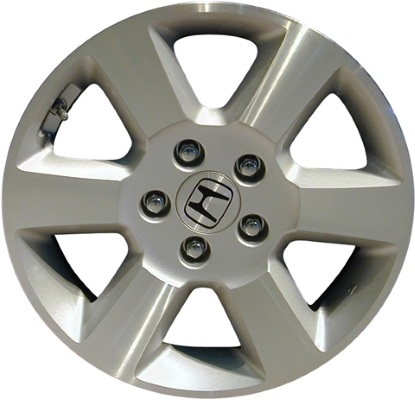
Credit: www.hubcaphaven.com
Mag Wheel Covers Basics
Mag wheel covers protect and enhance car wheels. They fit over alloy wheels, often called mag wheels. These covers add style and protect wheels from damage.
Made from strong materials, mag wheel covers keep wheels clean. They also help prevent scratches and dirt buildup. Many drivers use them for both looks and protection.
Purpose And Benefits
Mag wheel covers protect wheels from dust and road debris. They reduce wear and tear on alloy surfaces. Covers help keep wheels looking new for longer.
These covers can improve the car’s appearance. They come in various designs and colors. This lets owners customize their vehicle’s look easily.
Another benefit is easy maintenance. Covers are simple to clean or replace. This saves time and money on wheel care.
Common Uses
Mag wheel covers are popular on everyday cars. They suit both new and older vehicles. Many use them to hide scratches or imperfections.
They also serve as a budget-friendly alternative to expensive alloy wheels. Some use covers to protect wheels in harsh weather. Covers are common in city driving and off-road vehicles alike.
Core Materials In Mag Wheel Covers
Mag wheel covers use different materials to balance strength, weight, and cost. These core materials shape the durability and look of the covers. Choosing the right material affects how the cover performs on the road.
Aluminum Alloys
Aluminum alloys are popular for mag wheel covers. They offer strong protection without adding much weight. This metal resists rust and corrosion, making it last longer in all weather. Aluminum alloys also help keep the wheels cool by spreading heat well. These covers often have a shiny finish that looks great on many cars.
Plastic Composites
Plastic composites are common in budget-friendly mag wheel covers. They are light and easy to shape into many designs. These materials resist dents and scratches better than metal in some cases. Plastic composites also cost less, which makes them popular for everyday use. Some blends include fibers to add strength and improve durability.
Aluminum Alloy Properties
Aluminum alloy is a key material in making mag wheel covers. It blends aluminum with other metals to improve its features. This mix makes the covers strong, light, and long-lasting. These properties help wheels perform well and look good.
Lightweight Strength
Aluminum alloy is very light compared to steel. This keeps the wheel covers from adding too much weight. Lighter covers help the vehicle use less fuel. Despite being light, aluminum alloy is tough. It can handle bumps and rough roads without breaking.
Corrosion Resistance
Aluminum alloy does not rust like iron or steel. It forms a thin layer of oxide that protects it. This layer stops water and air from causing damage. Wheel covers made from aluminum alloy last longer in wet conditions. They keep their shine even after years of use.
Plastic Composite Features
Plastic composite is a common material used in mag wheel covers. It combines different types of plastics to create a strong and lightweight product. This mix allows the covers to perform well under various conditions. The features of plastic composite make it a popular choice for mag wheel covers.
Durability And Flexibility
Plastic composites offer good durability for mag wheel covers. They resist cracks and breaks better than simple plastic. This helps the covers last longer on rough roads. The material also has flexibility, which prevents damage from small impacts. It bends slightly instead of breaking. This means fewer replacements and repairs are needed.
Cost-effectiveness
Plastic composite is affordable to produce. This lowers the cost of mag wheel covers for buyers. The material is lightweight, which reduces shipping costs. It also requires less energy to make compared to metal. These factors make plastic composite covers budget-friendly. They provide good protection without a high price tag.
Additional Elements And Coatings
Mag wheel covers are not just simple shells. They often have extra elements and coatings. These additions improve look and durability. They protect the cover from damage. They also give a shiny or matte effect. Understanding these layers helps you choose better covers.
Paints And Finishes
Paint is a common extra layer on mag wheel covers. It adds color and style. Some paints are metallic for a sparkling look. Others offer matte finishes for a modern feel. Paints help covers match the car’s color. They also hide scratches and small marks.
Special finishes can resist fading from sun or rain. This keeps the covers bright for longer. Paints must be strong to avoid peeling. Quality paint means the cover stays attractive.
Protective Layers
Protective coatings shield mag wheel covers from harm. Clear coats are common protective layers. They guard against scratches and dirt. These layers also stop rust and corrosion. This is important for metal or alloy covers.
Some covers have UV protection layers. This stops sun damage and color fading. Protective layers extend the life of the covers. They keep the covers looking new and clean.

Credit: en.wikipedia.org
Material Impact On Performance
The material used to make mag wheel covers plays a key role in their performance. It affects how the covers weigh, handle heat, and look. These factors change how the wheel covers work and how long they last.
Weight Considerations
Light materials reduce the overall weight of the wheel. This helps improve fuel efficiency and vehicle handling. Heavy materials can slow the vehicle and put extra strain on the suspension. Choosing the right weight helps balance performance and durability.
Heat Dissipation
Wheel covers face heat from brakes and road friction. Materials that conduct heat well help cool the brakes. This prevents brake fade and improves safety. Poor heat dissipation can cause damage to the covers and wheels.
Aesthetic Appeal
Materials affect the look and feel of the wheel covers. Some materials offer smooth finishes and shine. Others allow for bold designs and colors. The right material can enhance the vehicle’s style while staying strong and durable.
Trends In Mag Wheel Cover Materials
Mag wheel covers have evolved in design and materials over the years. Modern trends focus on durability, style, and environmental impact. Manufacturers explore new materials to meet these needs. These trends influence how mag wheel covers perform and look. Below, two key material trends stand out in today’s market.
Eco-friendly Options
Eco-friendly mag wheel covers use recycled or natural materials. They reduce waste and energy use during production. Some covers use recycled plastics that still offer strength and flexibility. Others include natural fibers mixed with plastics for better biodegradability. These options appeal to buyers who want greener products. They do not sacrifice quality or style.
Advanced Composites
Advanced composites combine different materials for better performance. Carbon fiber and fiberglass blends are common in these covers. They provide high strength while remaining lightweight. This improves fuel efficiency by reducing wheel weight. These materials resist corrosion and damage from road debris. Advanced composites also allow for sleek, modern designs.
Credit: www.beavertonnissan.com
Frequently Asked Questions
What Materials Are Used To Make Mag Wheel Covers?
Mag wheel covers are primarily made from magnesium alloys. These alloys offer lightweight strength and excellent heat dissipation. Sometimes, aluminum alloys are also used for cost efficiency and durability. The material choice enhances performance and aesthetics of vehicles.
Why Is Magnesium Used In Mag Wheel Covers?
Magnesium is chosen for its lightweight nature and high strength. It improves fuel efficiency and handling. Magnesium also dissipates heat well, protecting brakes during high performance. These benefits make it ideal for mag wheel covers.
Are Mag Wheel Covers Durable Compared To Steel?
Yes, mag wheel covers are durable yet lighter than steel. Magnesium alloys resist corrosion and impact well. This durability ensures long-lasting protection while reducing vehicle weight for better performance.
How Do Mag Wheel Covers Affect Vehicle Performance?
Mag wheel covers reduce unsprung weight, enhancing suspension response. Their lightweight properties improve acceleration and braking efficiency. They also aid in better heat dissipation, protecting brake components during intense driving.
Conclusion
Mag wheel covers use strong metals like aluminum and magnesium. These materials keep wheels light and tough. They help cars run smoothly and save fuel. The design also protects wheels from damage. Knowing what makes these covers helps you choose better options.
Good covers add style and safety to your vehicle. Understanding their elements makes maintenance easier too. Simple but smart materials do the job well. Quality mag wheel covers last long and perform great.