
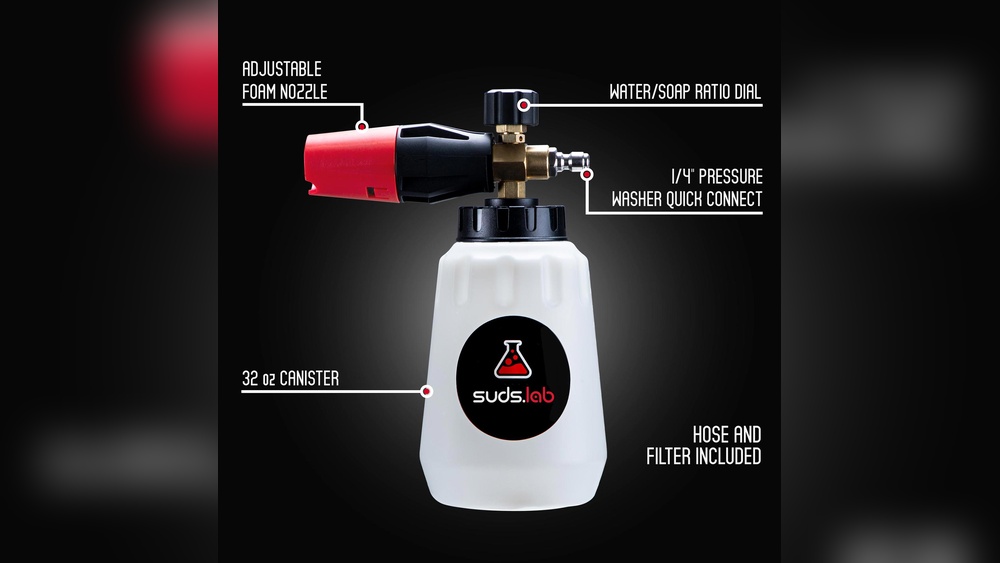
Are you struggling to get the perfect foam from your foam cannon? One of the biggest secrets to achieving that thick, rich foam lies in the right soap to water ratio.
If you get it wrong, your car wash might end up less effective or waste your soap. But don’t worry—understanding this simple ratio can make a huge difference in how clean and shiny your vehicle looks. Keep reading to discover the exact soap to water ratio you need for your foam cannon and how it can transform your washing routine.
Basics Of Foam Cannon
The basics of foam cannon involve understanding how it works and what it needs. A foam cannon mixes soap and water to create thick foam. This foam sticks to surfaces and loosens dirt. It makes cleaning easier and safer for cars and other items. Knowing the right soap to water ratio helps create the best foam.
Using the correct soap and water mix prevents waste and protects surfaces. It also saves time during washing. Let’s explore what a foam cannon does and the types of soaps used.
What A Foam Cannon Does
A foam cannon sprays thick foam on surfaces. This foam covers dirt and grime well. It helps break down tough stains. The foam clings to surfaces longer than water alone. This gives soap more time to work. It reduces the need to scrub hard. Using a foam cannon can protect paint and finish from scratches.
Types Of Soaps Used
Foam cannons need special soaps made for foam. These soaps create thick, rich foam. They also rinse off easily without leaving residue. Many use car wash soaps that are gentle and safe. Avoid harsh detergents that can damage paint. Some soaps include conditioners to protect surfaces. Choose soaps labeled for foam cannon use. This ensures best results and safety.
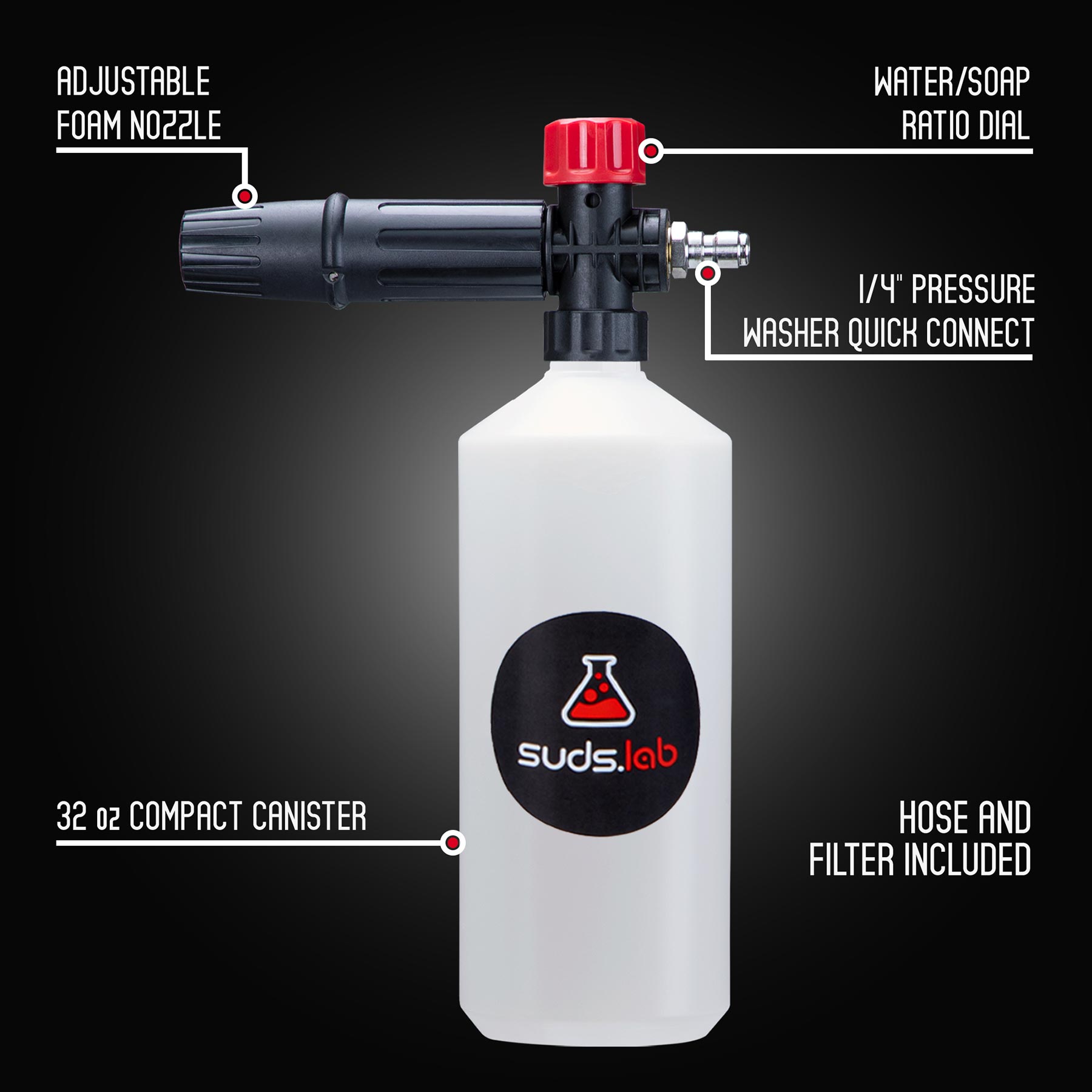
Credit: www.suds-lab.com
Ideal Soap To Water Ratios
Finding the right soap to water ratio is key for using a foam cannon effectively. The ratio controls foam thickness and cleaning power. Too much soap can leave residue. Too little soap reduces cleaning strength.
This balance varies by soap type, water quality, and surface condition. Understanding common ratios helps achieve the best results. Adjusting the ratio based on your needs makes cleaning easier and more efficient.
Common Ratios Explained
The most common soap to water ratios range from 1:10 to 1:30. A 1:10 ratio means one part soap to ten parts water. This creates thick foam and strong cleaning power.
A 1:20 ratio is milder, ideal for light dirt and delicate surfaces. It uses less soap and produces thinner foam. A 1:30 ratio is very gentle, mainly for rinsing or mild cleaning.
Most users start with 1:15. It balances foam thickness and cleaning strength well. Adjust the ratio as needed for dirt level or soap type.
Factors Affecting The Ratio
Soap type affects the ideal ratio. Concentrated soaps need less product. Less concentrated soaps require more soap for good foam.
Water hardness changes soap performance. Hard water may reduce foam quality. Soft water helps create thick foam with less soap.
Surface type also matters. Delicate paints need lower soap amounts. Tough surfaces can handle stronger soap mixtures. Adjust the ratio for best cleaning without damage.
Choosing The Right Soap
Choosing the right soap is key for a good foam cannon wash. It affects foam thickness, cleaning power, and surface safety. The right soap mixes well with water and creates rich foam. Not all soaps work the same. Some make thick foam but leave residue. Others clean well but produce less foam. Understanding soap types helps pick the best one for your needs.
Foam Quality And Soap Types
Foam quality depends on soap ingredients and type. Car wash soaps or shampoos work best with foam cannons. They create thick, clingy foam that lifts dirt gently. Avoid dish soaps or household cleaners. They can damage your car’s paint and strip wax. Some soaps have extra lubricants to protect paint. Others focus on fast dirt removal. Choose soap based on how much foam and cleaning you want.
Eco-friendly Soap Options
Eco-friendly soaps are safer for the environment and your car. They use biodegradable ingredients that break down quickly. These soaps avoid harsh chemicals that can harm plants and water. Many eco soaps still create good foam and clean well. Using eco-friendly soap helps protect nature around your home. It also means less risk of skin irritation. Pick eco-friendly options to keep cleaning green and safe.

Credit: vikingcarcare.com
Adjusting Ratios For Different Vehicles
Adjusting the soap to water ratio in your foam cannon depends on the vehicle size and cleaning needs. Different vehicles require different foam thickness for effective cleaning. Thicker foam clings better to larger vehicles, while lighter foam suits smaller ones. Proper adjustment helps protect paint and removes dirt efficiently.
Cars And Suvs
For cars and SUVs, start with a soap to water ratio of 1:30. This means one part soap to thirty parts water. This ratio creates enough foam to cover the surface without wasting soap. It cleans gently and prevents streaks or residue. Adjust slightly if the foam is too thin or thick. Use a thicker foam for very dirty cars.
Trucks And Larger Vehicles
Trucks and larger vehicles need a stronger foam layer. Use a ratio of 1:20 for these vehicles. More soap helps the foam stick longer on big surfaces. It loosens tough dirt and grime better. Be careful not to use too much soap to avoid residue. Adjust the ratio based on how dirty the vehicle is.
Mixing Tips For Best Foam
Mixing the right soap and water ratio is key for thick, rich foam in your foam cannon. Proper mixing helps the foam cling to your car better. It also makes washing easier and more effective.
Water Temperature Effects
Water temperature changes how well the soap works. Warm water helps soap dissolve faster. This creates more foam quickly. Cold water can slow the process. It may produce less foam and reduce cleaning power. Aim for lukewarm water for the best results.
Proper Dilution Techniques
Measure soap and water carefully for the right mix. Too much soap creates heavy, sticky foam that rinses poorly. Too little soap leads to thin, weak foam that washes off fast. A common ratio is 1 part soap to 10 parts water. Stir gently to avoid bubbles in the bottle. Use fresh mixtures each time for consistent foam quality.
Common Mistakes To Avoid
Using a foam cannon can make car washing easier and more fun. But many people make common mistakes with the soap to water ratio. These errors affect foam quality and cleaning power. Avoiding these mistakes leads to better results and less soap waste.
Using Too Much Soap
Adding too much soap does not mean better foam. It creates thick, heavy foam that clogs the cannon. The foam may not rinse off well and leaves soap residue. Use the recommended soap amount for the best foam. A balanced mix helps save soap and water.
Ignoring Water Hardness
Water hardness changes how soap reacts. Hard water has minerals that reduce foam and cleaning power. Soft water creates rich, thick foam easily. Test your water hardness before mixing soap. Adjust the soap amount to match your water type. This step improves foam and protects your car’s paint.
Testing And Tweaking Your Mix
Testing and tweaking your soap to water ratio is key for the best foam cannon results. The right mix makes thick foam that cleans well and rinses easily. Each soap brand and water type may need different amounts. Small changes in the ratio can make a big difference. This part guides you through simple steps to find your ideal mix.
Trial Runs For Optimal Foam
Start with a basic ratio like 1:10 soap to water. Fill your foam cannon and spray on a test surface. Watch the foam’s thickness and coverage. Check if the foam sticks well or runs off quickly. Note how easy it is to rinse away. Try spraying different areas to see how the foam behaves.
Repeat tests with slight changes in soap amounts. Use more soap for thicker foam. Use less soap if foam feels too heavy or slippery. Record each test’s ratio and foam quality. These trials help find the balance between foam thickness and cleaning power.
Adjusting Based On Results
Adjust your mix based on trial outcomes. If foam is thin and disappears fast, add more soap. If foam is too thick or sticky, add more water. Consider water hardness and temperature as they affect foam. Adjust ratios slowly to avoid wasting soap or water.
Test your adjusted mix again to confirm improvements. Keep notes for future reference. Over time, you will know the best soap to water ratio for your foam cannon setup. This process saves money and improves cleaning results.

Credit: zero-dirt.com
Maintenance Of Foam Cannon
Maintaining a foam cannon is essential for its long life and good performance. Proper care keeps the foam cannon working well and prevents damage. Regular cleaning and correct storage are key steps to protect your equipment.
Cleaning After Use
Rinse the foam cannon with clean water after each use. This removes leftover soap and dirt inside the nozzle and bottle. Fill the bottle with fresh water and spray it through the cannon until clear water flows out. Avoid letting soap dry inside the parts. Dry all components before storing to stop rust and mold growth.
Storage Tips
Store the foam cannon in a dry place away from direct sunlight. Keep it in a cool area to avoid damage from heat. Remove all water and soap before putting it away. Use a sealed container or bag to protect it from dust. Check the foam cannon regularly for cracks or leaks to fix small issues early.
Frequently Asked Questions
What Is The Ideal Soap To Water Ratio For Foam Cannons?
The ideal ratio is usually 1:10, meaning one part soap to ten parts water. This mix creates thick foam without wasting soap. Adjust the ratio slightly depending on soap type and foam thickness desired.
Can I Use Regular Car Soap In A Foam Cannon?
Yes, but choose a soap designed for foam cannons or car washing. Regular dish soap may strip wax and damage paint. Use pH-balanced car shampoo for best results and safe cleaning.
How Does Soap Concentration Affect Foam Quality?
Higher soap concentration produces thicker, longer-lasting foam. Too much soap can leave residue and reduce rinsing efficiency. Lower concentration yields thinner foam but rinses easier. Balance is key for effective cleaning.
Should I Adjust Soap Ratio For Different Water Hardness?
Yes, hard water can reduce foam quality. Increasing soap concentration slightly helps maintain foam. Use soft or filtered water if possible for best foam and cleaning results.
Conclusion
Finding the right soap to water ratio is key for a good foam cannon. Too much soap can leave residue. Too little soap means less foam and cleaning power. A common mix is one part soap to ten parts water.
This ratio works well for most soaps and foam cannons. Always test your mixture first. Adjust as needed for your soap type and cleaning needs. Keep it simple. Clean with ease and enjoy the shine.


