Are you wondering how much it will cost to replace all four brakes and rotors on your vehicle? Knowing the price upfront can save you from surprise expenses and keep your car safe on the road.
Whether you’re dealing with worn-out brakes or just want to stay ahead of maintenance, this guide will break down the costs clearly. By the end, you’ll understand what affects the price and how to get the best value for your money.
Keep reading to make an informed decision that protects both your wallet and your safety.
Brake Replacement Basics
Brake replacement is a key part of car care. It keeps you safe on the road. Knowing the basics helps you understand costs and needs. Replacing all four brakes and rotors can be expensive. But it protects you and your passengers.
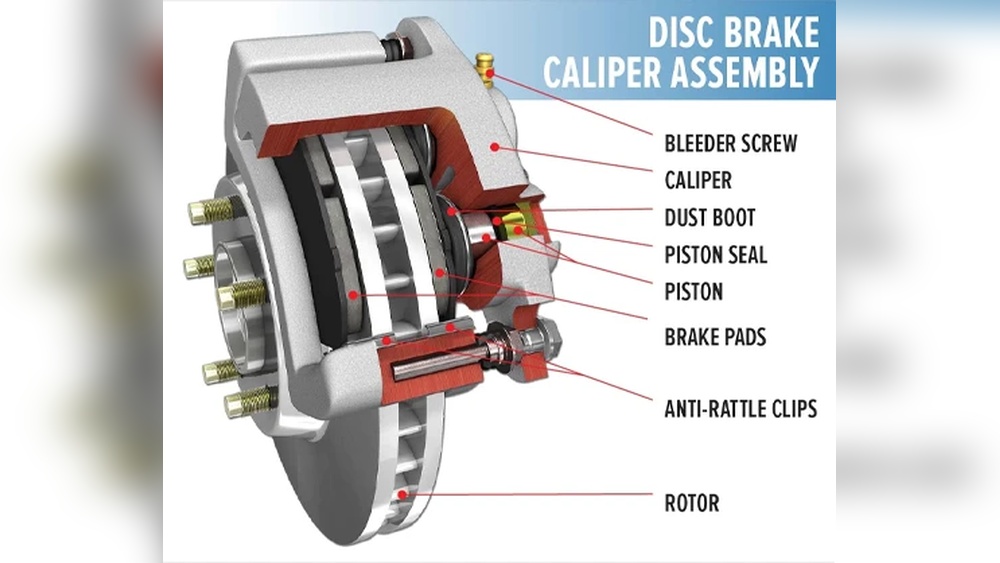
Brakes have different parts that wear out over time. Each part has its own role. It is important to know which parts need replacing and why.
Brake Pads Vs Rotors
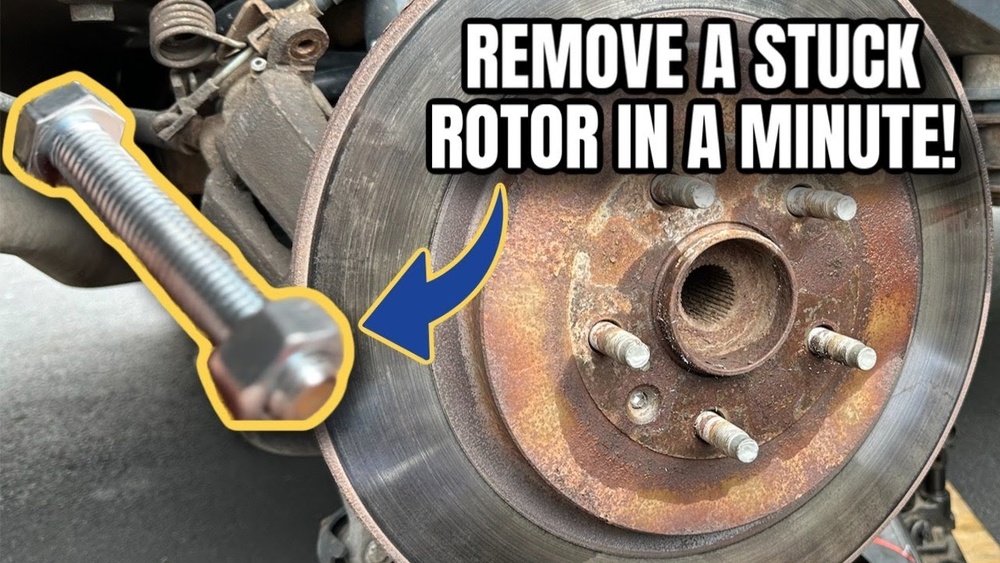
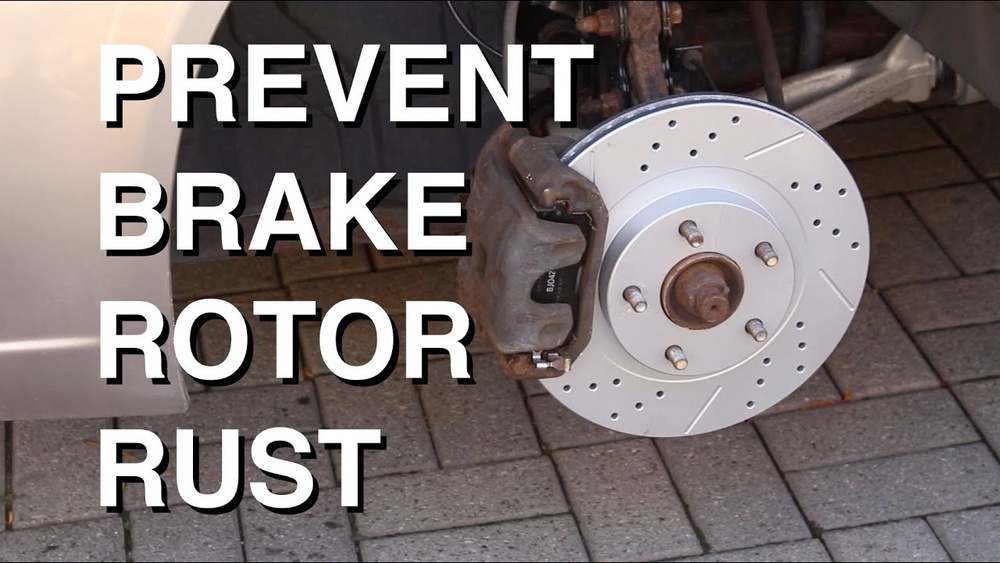
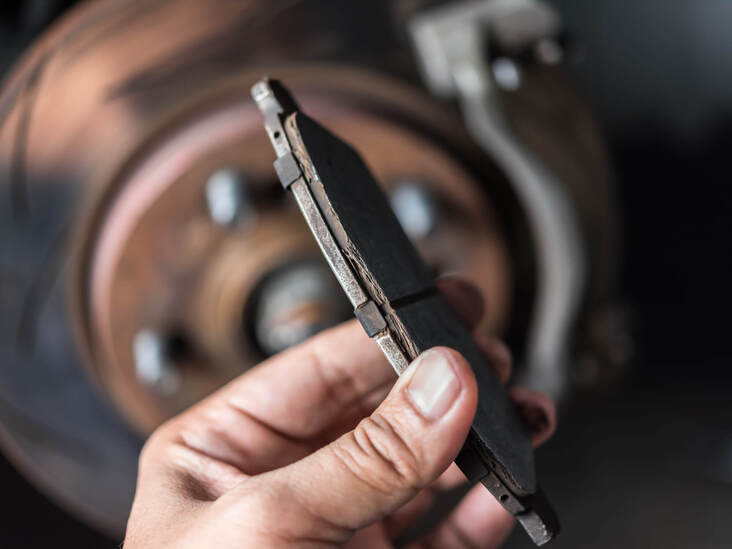
Brake pads press against rotors to stop your car. Pads wear out faster because they touch the rotor every time you brake. Rotors are metal discs that can wear down or warp. Pads are cheaper to replace. Rotors cost more because they are bigger and thicker. Both parts must work well for safe driving.
Signs You Need Replacement
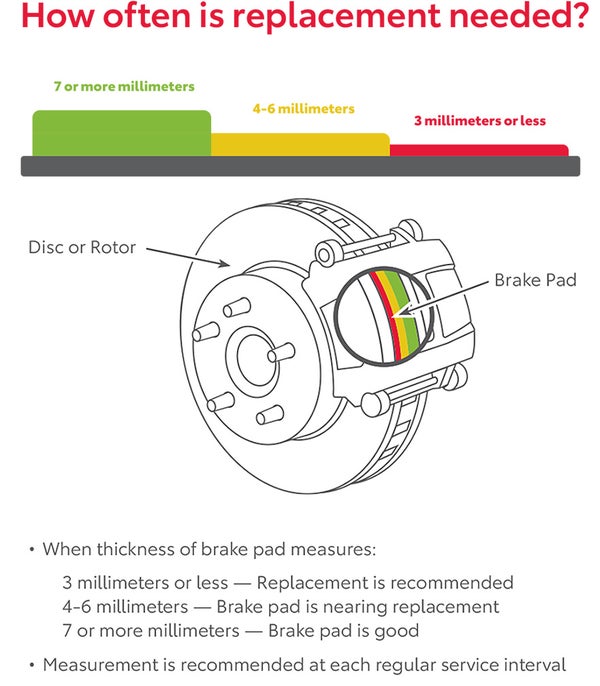
Squeaking or grinding sounds mean pads may be worn out. If the car pulls to one side when braking, rotors may be uneven. A soft or spongy brake pedal can show brake problems. Vibration in the steering wheel during braking means rotor issues. Check brakes regularly to avoid danger on the road.
Factors Influencing Cost
Several factors affect the total cost of replacing all four brakes and rotors. These elements determine how much you will pay for parts and labor. Understanding them helps you plan your budget better.
Vehicle Make And Model
The type of car plays a big role in the cost. Luxury cars and trucks often need expensive parts. Common cars usually have cheaper brake components. Some models need special tools or more time for repairs.
Quality Of Parts
You can choose between standard, premium, or OEM parts. Standard parts cost less but may wear out faster. Premium parts last longer but are pricier. OEM parts match the original exactly and usually cost the most.
Labor Charges
Labor costs vary by location and shop. Dealers often charge higher rates than local mechanics. The time needed for the job also affects the price. Complex brake systems take more time and cost more to fix.
Average Cost Estimates
Replacing all four brakes and rotors can vary in cost. Prices depend on the parts chosen and labor fees. Knowing average costs helps plan your budget better.
Costs include brake pads, rotors, and mechanic charges. Prices range from affordable to premium options.
Budget Options
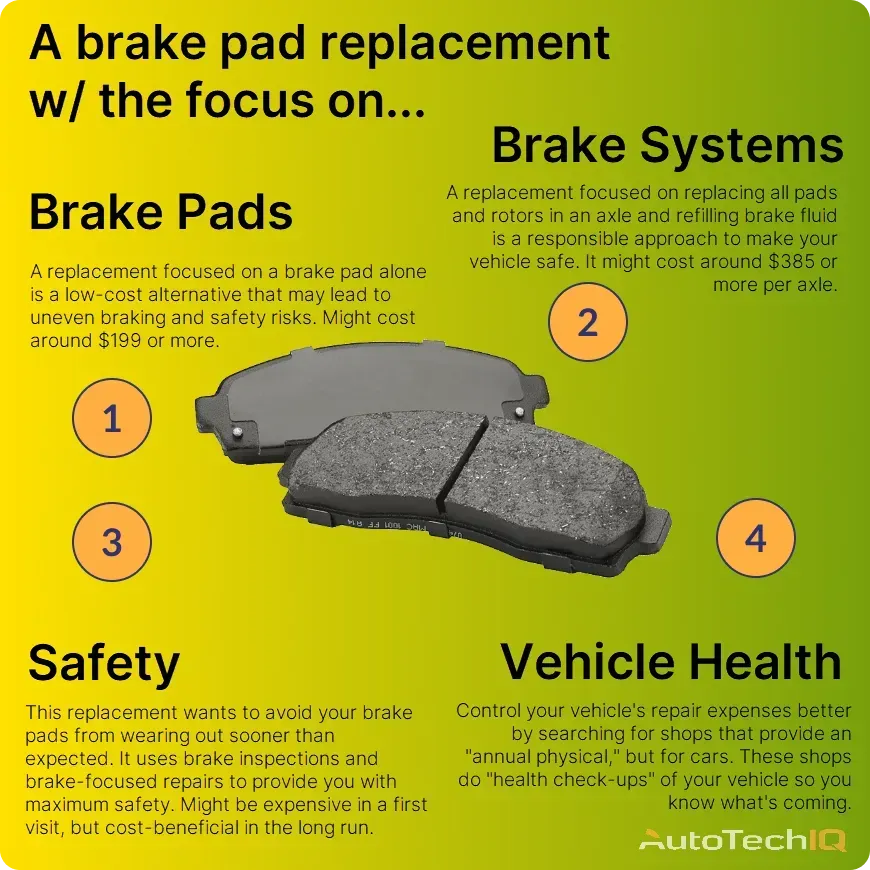
Budget brake pads and rotors cost around $150 to $250. These parts are basic but safe for daily driving. Labor might add $100 to $200, depending on the shop.
These options suit older cars or low-mileage vehicles. They offer decent performance without high costs.
Mid-range Choices
Mid-range brakes and rotors cost between $300 and $500. These parts last longer and handle heat better. Labor charges usually run from $150 to $250.
This choice fits most drivers who want better quality and value. It balances price with improved braking performance.
Premium Parts Pricing
Premium brake pads and rotors may cost $600 or more. These parts provide superior stopping power and durability. Labor fees might be $200 to $300 or higher.
High-performance cars or heavy-duty use benefits from premium parts. They offer the best safety and longer service life.
Credit: brakestogo.com
Diy Vs Professional Service
Deciding between replacing your brakes and rotors yourself or hiring a professional is important. Both options have benefits and drawbacks. Understanding these can help you choose the best path for your car and budget.
Pros And Cons Of Diy
Doing the brake job yourself saves money on labor costs. Parts like brake pads and rotors usually cost less than the total shop price. You learn about your car’s brakes by doing the work.
DIY requires tools and space. Mistakes can cause brake failure, risking safety. The job takes time, especially for beginners. Some vehicles need special tools or skills.
When To Hire A Mechanic
Choose a mechanic if you lack tools or experience. Professionals work faster and ensure safety. They spot hidden problems during the job. A shop offers warranty on parts and labor.
Complex brake systems or unusual noises call for expert help. Mechanics use advanced equipment for accurate repairs. Peace of mind comes with professional service.
Ways To Save On Brake Replacement
Replacing all four brakes and rotors can be costly. Finding ways to save is smart. Simple steps help reduce expenses without losing safety. Explore options that keep your car safe and your wallet happy.
Using Aftermarket Parts
Aftermarket parts cost less than original parts. They meet safety standards and work well. Choose trusted brands to avoid poor quality. This option cuts expenses without big sacrifices.
Seasonal Discounts And Deals
Many shops offer discounts during certain seasons. Watch for sales in spring and fall. Scheduling brake service during deals saves money. Call local garages to ask about current offers.
Regular Maintenance Tips
Keep brakes clean and check pads often. Small problems fixed early avoid costly replacements. Drive gently and avoid hard braking. Regular checks extend brake life and lower costs.
Credit: www.autotechiq.com
Common Mistakes To Avoid
Replacing all four brakes and rotors is a big job. Many people make mistakes that cost extra money or cause safety problems. Avoiding common errors helps keep your car safe and your wallet happy. Here are some mistakes to watch out for.
Ignoring Warning Signs
Brake noise, vibration, or a soft pedal are warning signs. Ignoring these signs can lead to bigger damage. Waiting too long may increase repair costs. Pay attention to how your brakes feel and sound.
Choosing Cheap Parts
Cheap brake pads and rotors may save money upfront. But low-quality parts wear out faster and may fail sooner. This can cause unsafe driving conditions. Invest in parts that meet safety standards for long-term value.
Delaying Replacement
Delaying brake and rotor replacement puts you at risk. Worn brakes reduce stopping power and increase accident chances. Old rotors can warp and cause vibration. Replace all parts promptly to maintain vehicle safety and performance.
Credit: www.rosevilletoyota.com
Frequently Asked Questions
How Much Does It Cost To Replace All Four Brakes And Rotors?
Replacing all four brakes and rotors typically costs between $300 and $800. Prices vary by vehicle type, parts quality, and labor rates. OEM parts are usually pricier than aftermarket ones. Labor charges depend on the repair shop location and expertise.
How Long Does Brake And Rotor Replacement Take?
Brake and rotor replacement usually takes 1 to 2 hours. The exact time depends on the vehicle model and technician’s experience. Some shops may complete it faster with specialized tools. Scheduling an appointment can reduce waiting time.
Can I Replace Brakes And Rotors Myself?
Yes, if you have mechanical skills and proper tools, you can replace them yourself. However, improper installation risks safety and vehicle damage. Beginners should seek professional help or follow detailed guides to ensure correct replacement.
When Should I Replace Brake Rotors And Pads Together?
Replace rotors and pads together if rotors are warped, scored, or below thickness limits. New pads on old rotors reduce braking efficiency and increase noise. It’s best to inspect rotors when changing brake pads for optimal performance.
Conclusion
Replacing all four brakes and rotors costs vary by car and parts. Quality parts may cost more but last longer. Labor fees depend on the mechanic and location. Regular brake checks help avoid sudden failures and extra expenses. Choose trusted shops for safety and good service.
Keep your car’s brakes in top shape for smooth, safe drives. Now, you know what to expect for brake and rotor replacement costs. Stay safe on the road!