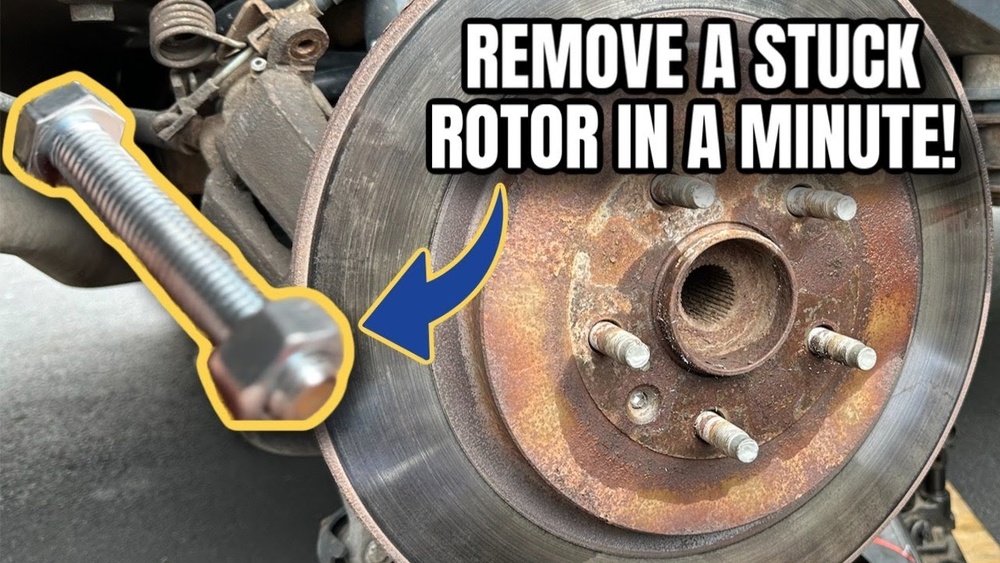
Have you ever tried to remove a brake rotor, only to find it stuck fast and refusing to budge? It’s a common problem that can turn a simple repair into a frustrating battle.
But don’t worry—getting that stuck brake rotor off doesn’t have to be a headache. In this guide, you’ll discover easy, practical steps to free your rotor quickly and safely. Whether you’re a DIY enthusiast or just tackling a quick fix, these tips will save you time, effort, and stress.
Keep reading to learn how to get your brakes working smoothly again without the hassle.
Credit: www.youtube.com
Causes Of A Stuck Brake Rotor
Understanding why a brake rotor gets stuck helps in fixing it fast. Several common issues cause rotors to stick. Knowing these can save time and effort during repairs.
Corrosion And Rust Build-up
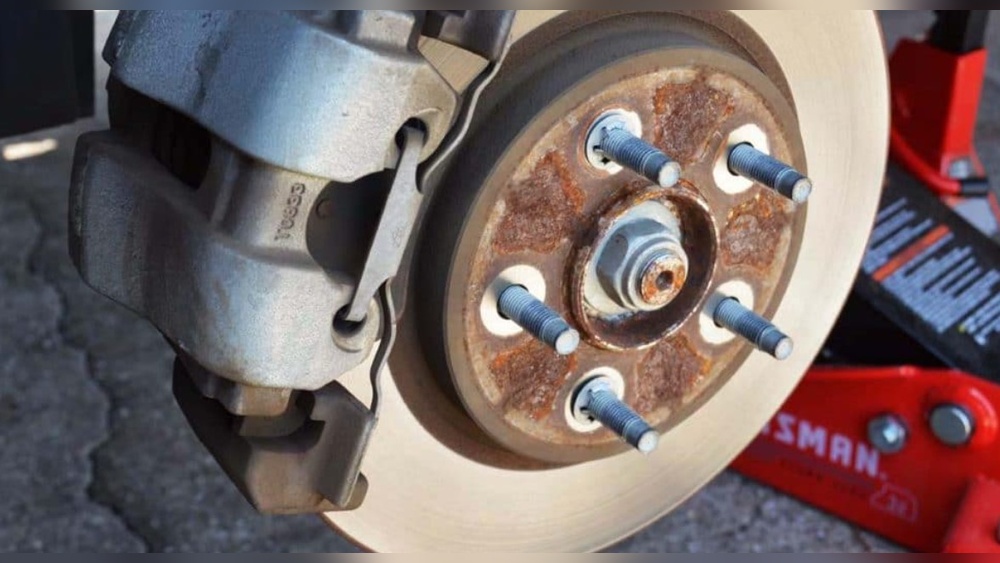
Brake rotors often get stuck due to rust forming between the rotor and hub. Moisture and road salt cause corrosion over time. Rust acts like glue, holding the rotor tight. This makes removing the rotor very difficult without special tools or techniques.
Caliper Seizure
The brake caliper can seize and trap the rotor in place. Dirt, rust, or lack of lubrication causes the caliper to stop moving properly. A stuck caliper keeps pressure on the rotor, preventing it from rotating or coming off easily.
Improper Installation
Incorrect rotor installation can lead to it sticking. Over-tightened bolts or missing anti-seize compound create extra friction. This causes the rotor to bind to the hub or caliper parts. Proper installation steps help avoid this problem.
Safety Precautions Before Removal
Removing a stuck brake rotor can be tough. Safety is the most important step before you start. Taking the right precautions protects you and your vehicle. Follow these simple safety tips to work with confidence and avoid injury.
Necessary Tools And Equipment
Gather all tools before starting. You will need a jack, lug wrench, hammer, and penetrating oil. A breaker bar and socket set help loosen tight bolts. Having the right tools reduces risks and makes the job easier.
Protective Gear
Wear gloves to protect your hands from sharp edges. Safety goggles keep dirt and rust out of your eyes. Use closed-toe shoes to shield your feet. Proper gear prevents accidents and keeps you safe.
Vehicle Stability
Park on a flat surface and apply the parking brake. Use wheel chocks on the opposite tires for extra hold. Always support the vehicle with jack stands, not just the jack. Stable support prevents the car from falling during work.
Manual Techniques To Free The Rotor
Removing a stuck brake rotor can be tough. Rust, dirt, and tight fittings hold it firmly. Manual techniques help loosen the rotor without special tools. These methods are simple but effective. They reduce the risk of damage to your brake parts. Use patience and care to free the rotor safely.
Using Penetrating Oil
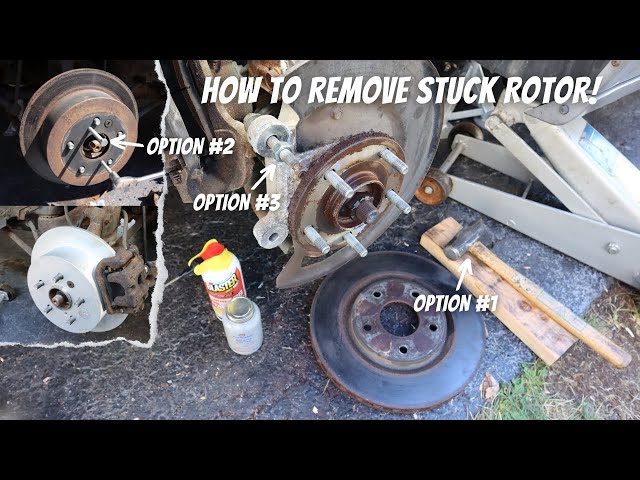
Penetrating oil breaks rust and dirt bonds. Spray it generously on the rotor hub area. Let it soak for 10 to 15 minutes. The oil seeps into small spaces and loosens corrosion. Repeat spraying if the rotor stays stuck. This method softens the grip and makes removal easier.
Tapping With A Rubber Mallet
A rubber mallet delivers gentle force without damage. Tap around the rotor’s edge with steady, soft hits. Avoid hitting too hard to prevent bending the rotor. The vibrations help break rust and loosen the rotor. Continue tapping and then try to pull the rotor off by hand.
Applying Heat Carefully
Heat expands metal and breaks rust bonds. Use a heat gun or propane torch at low settings. Direct heat to the rotor hub, not the brake parts. Heat for a few minutes, then test if the rotor moves. Avoid overheating to prevent warping or damage. Heat combined with tapping often frees stubborn rotors.

Credit: www.autonationmobileservice.com
Mechanical Methods For Tough Rotors
Mechanical methods help remove stuck brake rotors when simple steps fail. These methods use tools and force to free the rotor. They work well on rusted or tightly fixed rotors. Safety is key, so wear gloves and eye protection.
Using A Puller Tool
A puller tool pulls the rotor straight off the hub. Attach the puller to the rotor’s center. Tighten the tool’s bolt slowly. The rotor moves outward evenly. This method reduces damage to the rotor and hub.
Leveraging Pry Bars
Use a pry bar to gently push between the rotor and hub. Apply steady pressure to avoid bending parts. Move around the rotor, prying a little at a time. This loosens rust and breaks the rotor free.
Breaking Loose With Impact Tools
Impact tools deliver strong, short bursts of force. An impact wrench or hammer with a punch works best. Strike the rotor near the hub bolts carefully. The shock helps break rust and corrosion bonds. Avoid hitting too hard to protect the rotor.
Preventing Future Rotor Seizure
Preventing future rotor seizure saves time and money. It keeps your brakes working well and avoids damage. Simple habits and care help stop rotors from sticking again.
Regular Cleaning And Maintenance
Keep rotors clean to stop rust and dirt buildup. Use a wire brush or brake cleaner to remove grime. Check rotors often for signs of wear or corrosion. Clean parts help brakes work smoothly and last longer.
Proper Installation Tips
Always install rotors carefully and correctly. Make sure the rotor sits flat on the hub. Tighten bolts evenly and to the right torque. Wrong installation can cause rotors to stick or warp.
Using Anti-seize Compounds
Apply a thin layer of anti-seize on the hub surface. It stops metal parts from bonding and rusting together. Use anti-seize on bolt threads too. This makes future removal easier and prevents rotor seizure.

Credit: www.reddit.com
When To Seek Professional Help
Removing a stuck brake rotor can be tough. Sometimes, the job needs more than basic tools and skills. Knowing when to seek professional help is important for safety and to avoid damage.
Some problems require expert tools and experience. Professionals can handle rusted or seized rotors without harming other parts. They also know how to check the entire brake system for hidden issues.
Signs You Should Call A Mechanic
Struggling to remove the rotor for a long time is a warning sign. Excessive rust or corrosion might be too much for home tools. Strange noises or brake problems after removal also need expert checks.
Risks Of Diy Removal Without Experience
Using too much force can break parts or cause injury. Incorrect handling might damage the brake system. This can lead to costly repairs or unsafe driving conditions.
Benefits Of Professional Brake Rotor Removal
Experts use the right tools to remove stuck rotors safely. They inspect the brake system for wear and tear. This ensures your brakes work well and last longer.
When Brake Issues Persist After Rotor Removal
If braking feels strange or the problem returns, seek help. Professionals can find hidden problems causing rotor sticking. Early diagnosis prevents bigger brake failures later.
Frequently Asked Questions
How Can I Safely Remove A Stuck Brake Rotor?
Use penetrating oil around the rotor hub. Let it sit for 15 minutes. Tap the rotor gently with a rubber mallet to loosen rust and debris. Avoid using excessive force to prevent damage.
Why Does My Brake Rotor Get Stuck?
Brake rotors often get stuck due to rust, corrosion, or debris buildup. Moisture causes metal parts to bond tightly. Regular maintenance and cleaning can prevent this issue.
What Tools Are Needed To Remove A Stuck Rotor?
You will need penetrating oil, a rubber mallet, a wrench set, and possibly a puller tool. These help loosen and safely remove the stuck rotor without damage.
Can Heat Help In Removing A Stuck Brake Rotor?
Yes, applying moderate heat using a heat gun or torch can expand the metal. This helps break the rust bond. Be cautious to avoid overheating or damaging surrounding parts.
Conclusion
Removing a stuck brake rotor can seem tough but is doable. Use the right tools and stay patient throughout the process. Apply gentle force and avoid rushing to prevent damage. Heating or tapping the rotor can help loosen it. Always work safely and wear protective gear.
Taking your time ensures better results and less frustration. With careful effort, the rotor will come off without problems. Keep these tips in mind for your next brake job.