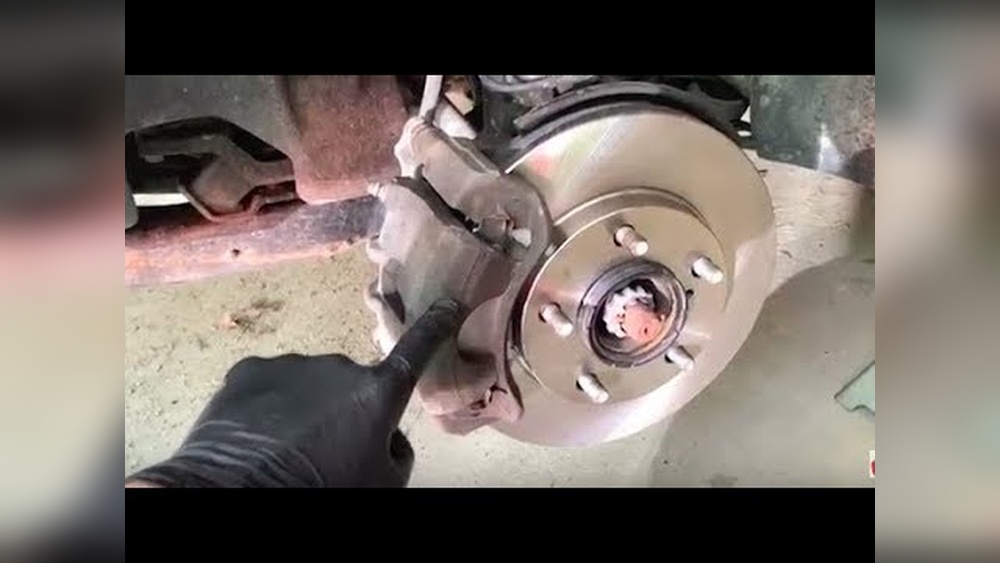
Have you noticed a strange vibration or shaking when you press your brakes? This could be a sign that your brake rotors are warped.
Knowing how to check if your brake rotors are warped is essential for your safety and your car’s performance. You’ll learn simple ways to spot the problem early, so you can avoid costly repairs and stay in control on the road.
Keep reading to discover the easy steps you can take right now to protect yourself and your vehicle.
Signs Of Warped Brake Rotors
Warped brake rotors can cause serious issues while driving. These problems affect your safety and comfort. Identifying the signs early helps you fix the problem quickly. Below are common signs that show your brake rotors may be warped.
Vibrations While Braking
Feel a shaking or vibration in the brake pedal? This often means the rotors are warped. The uneven surface causes the brake pads to grab and release. This creates a pulsing effect in the pedal. Vibrations may also be felt in the steering wheel. This is a clear warning to check your brake system.
Squealing Or Grinding Noises
Listen closely when you press the brakes. A high-pitched squeal or harsh grinding sound can signal rotor issues. Warped rotors can cause brake pads to wear unevenly. The noise comes from metal rubbing against metal. Do not ignore these sounds as they suggest damage to your brake parts.
Uneven Brake Pad Wear
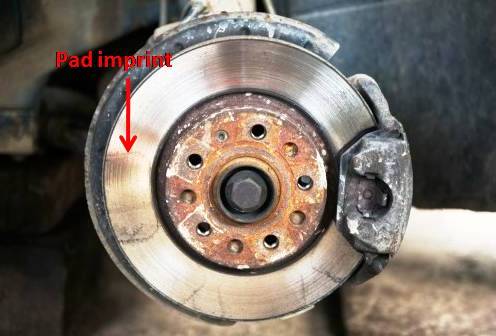
Check your brake pads for uneven wear patterns. Warped rotors cause pads to wear faster in some areas. This reduces braking efficiency and increases repair costs. Uneven wear may look like thin spots or grooves on the pad. Regular inspection can save you from costly repairs later.

Credit: mechanics.stackexchange.com
Tools Needed For Inspection
To check if brake rotors are warped, you need the right tools. These tools help you inspect the rotors safely and accurately. Having the correct equipment makes the process easier and more reliable. Here are the main tools you will need for the inspection.
Jack And Jack Stands
A jack lifts the car off the ground. Jack stands hold the car safely in place. Never rely only on the jack to support the vehicle. Jack stands provide stability while you work on the wheels and rotors.
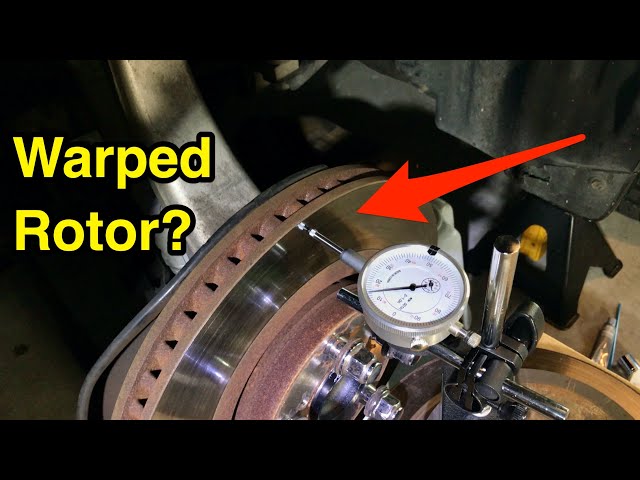
Dial Indicator Or Runout Gauge
This tool measures rotor wobble or runout. It shows how much the rotor surface moves when the wheel spins. A dial indicator is precise and easy to read. This helps you find small warps that cause brake problems.
Lug Wrench And Socket Set
Use a lug wrench to remove the wheel nuts. A socket set helps remove bolts on the brake parts. Both tools are essential for taking off the wheel and accessing the rotors. Make sure the tools fit your vehicle’s nuts and bolts.
Preparing Your Vehicle
Preparing your vehicle is the first step to check if brake rotors are warped. This process helps you work safely and effectively. Taking time now saves trouble later. Follow these simple steps to get your car ready.
Safety Precautions
Start by parking your car on a flat surface. Switch off the engine and remove the keys. Use the parking brake to stop the car from moving. Wear gloves and safety glasses to protect your hands and eyes. Keep a fire extinguisher nearby, just in case. Never work under a car without proper support.
Lifting And Securing The Car
Find the correct jacking point under your vehicle. Use a car jack to lift the side where you will check the rotor. Raise the car slowly and stop when the wheel is off the ground. Place jack stands under the car to hold it securely. Never rely on the jack alone to support the car. Make sure the car is stable before you move on.
Removing The Wheel
Loosen the wheel nuts with a wrench but do not remove them yet. After lifting the car, finish unscrewing the nuts and pull the wheel off. Put the wheel aside carefully. This gives you clear access to the brake rotor. Keep the nuts in a safe place to avoid losing them.
Visual Rotor Inspection
Visual rotor inspection is a simple way to check the condition of your brake rotors. It helps find signs of damage that may cause warping. This method needs no special tools and can be done at home or in a garage. Careful observation is key to spotting problems early and keeping brakes safe.
Checking For Cracks And Grooves
Start by cleaning the rotor surface to see details clearly. Look closely for cracks, thin lines, or deep grooves. These marks show wear or damage from heat and friction. Small cracks can grow and lead to rotor failure. Deep grooves reduce braking power and cause uneven wear.
Measuring Rotor Thickness
Use a micrometer or caliper to measure rotor thickness. Compare the reading with the manufacturer’s minimum thickness. Thin rotors heat up faster and warp easily. Uneven thickness across the rotor can cause vibration during braking. Measure at several points for accuracy.
Identifying Rust And Corrosion
Check the rotor surface and edges for rust spots or corrosion. Light rust is common but heavy corrosion weakens the rotor. Rust can cause rough braking and damage brake pads. Remove light rust with a wire brush. Replace the rotor if corrosion is severe.
Measuring Rotor Warping
Measuring rotor warping helps you know if your brake rotors are uneven. Warped rotors cause vibrations and reduce braking power. Using a dial indicator gives accurate results. It shows how much the rotor surface moves when it spins. Here is how to measure rotor warping step-by-step.
Setting Up The Dial Indicator
Attach the dial indicator to a solid part of the car. The indicator’s tip should touch the rotor surface. Position it near the edge of the rotor. Make sure the tip is at a right angle to the rotor surface. This ensures accurate readings. Check that the dial reads zero before spinning the rotor.
Measuring Runout
Slowly rotate the rotor by hand. Watch the dial indicator as the rotor turns. Note the highest and lowest readings on the dial. The difference between these readings is the runout. Runout shows how much the rotor surface moves up and down. A small runout means the rotor is flat. Large runout means the rotor is warped.
Interpreting The Results
Check your vehicle manual for the maximum allowed runout. Most cars allow about 0.002 to 0.005 inches. Runout above this means the rotor is warped. Warped rotors need resurfacing or replacement. Small runout values are normal and safe. Always compare your measurements with the manufacturer’s specs.
Credit: www.youtube.com
Fixing Warped Rotors
Fixing warped brake rotors is key to safe driving. Warped rotors cause vibration and reduce braking power. Addressing the problem quickly helps avoid bigger repairs. There are two main ways to fix warped rotors: resurfacing or replacing them. Choosing the right method depends on rotor condition and vehicle use.
When To Resurface Rotors
Resurfacing means smoothing the rotor surface. It removes small bumps and grooves. Use this method if the rotor is not too thin. The rotor must have enough thickness after resurfacing. Resurfacing extends rotor life and saves money. It works best for mild warping and light wear.
Replacing Brake Rotors
Replace rotors if they are too thin or badly damaged. Deep grooves or cracks mean replacement is safer. New rotors restore full braking performance. Replacement is common on older vehicles. It takes more time but gives better results. Always replace rotors in pairs for balance.
Brake Bedding Process
Bedding brakes helps new rotors and pads work well. It creates an even layer of brake pad material on rotors. This layer prevents uneven wear and noise. To bed brakes, make several gentle stops from moderate speed. Avoid hard braking during bedding. Proper bedding improves braking and rotor life.
Preventing Rotor Warping
Preventing rotor warping helps keep your brakes safe and effective. Warped rotors cause vibrations and reduce braking power. Avoiding this issue saves money and stress later.
Proper Driving Habits
Drive smoothly and avoid sudden stops. Hard braking heats the rotors quickly, causing warping. Give brakes time to cool during long drives. Avoid riding the brakes on downhill slopes. Gentle driving extends rotor life and improves safety.
Regular Brake Maintenance
Check your brakes often for signs of wear. Replace brake pads before they wear out completely. Worn pads increase heat and damage rotors. Have a mechanic inspect rotors during tire changes. Cleaning brake parts reduces dust and heat buildup.
Choosing Quality Brake Components
Use high-quality brake pads and rotors. Cheap parts wear out faster and overheat easily. Quality components handle heat better and last longer. Match parts to your vehicle’s specifications for best results. Investing in good parts protects your brake system.
Credit: trade.mechanic.com.au
Frequently Asked Questions
How Can I Tell If Brake Rotors Are Warped?
You can detect warped rotors by feeling a pulsation in the brake pedal or steering wheel while braking. Visual inspection for uneven wear or grooves also helps. Warped rotors cause vibrations and reduce braking efficiency, so timely checking is important for safety.
What Symptoms Indicate Brake Rotor Warping?
Common symptoms include brake pedal vibration, noise when braking, and longer stopping distances. Steering wheel may shake during braking. These signs suggest uneven rotor surfaces, requiring inspection or replacement to maintain safe braking performance.
Can I Check Brake Rotors Without Removing Wheels?
Yes, you can perform a visual check through the wheel spokes. Look for uneven rotor surface, scoring, or discoloration. However, a more accurate assessment needs wheel removal for close inspection and thickness measurement using a micrometer.
How Often Should Brake Rotors Be Inspected?
Brake rotors should be checked at least every 12,000 miles or during regular brake service. Frequent inspection helps catch warping early and prevents costly repairs. Always inspect if you notice braking issues or vibration.
Conclusion
Checking brake rotors for warping helps keep your car safe. Warped rotors cause shaking and noise while driving. You can spot signs by feeling vibrations or hearing sounds. Use simple tools to inspect the rotors yourself. Regular checks prevent bigger problems and costly repairs later.
Stay alert to changes in brake performance. Taking small steps now saves time and money. Keep your brakes smooth and your driving safe.