You rely on your vehicle every day, so keeping it running smoothly is a must. One simple step you might overlook is cleaning your fuel filter.
If your engine feels sluggish or your gas mileage is dropping, a dirty fuel filter could be the cause. But how do you clean it safely and effectively? You’ll discover easy, step-by-step tips to get your fuel filter back in top shape.
Keep reading to learn how this small task can make a big difference for your car’s performance.

Credit: www.wikihow.com
Fuel Filter Basics
The fuel filter plays an important role in keeping your vehicle’s engine healthy. It cleans the fuel before it reaches the engine. Dirt, rust, and other particles get trapped in the filter. This stops harmful debris from entering the fuel system.
Understanding the fuel filter helps you know when it needs cleaning or replacement. A clean filter ensures smooth engine performance. It also helps save fuel and reduce engine wear.
Purpose Of A Fuel Filter
The fuel filter stops dirt and debris from reaching the engine. It protects fuel injectors and the engine parts. Without a filter, particles can clog or damage the engine. This leads to poor performance and costly repairs. The filter keeps the fuel clean and the engine running well.
Signs Of A Clogged Fuel Filter
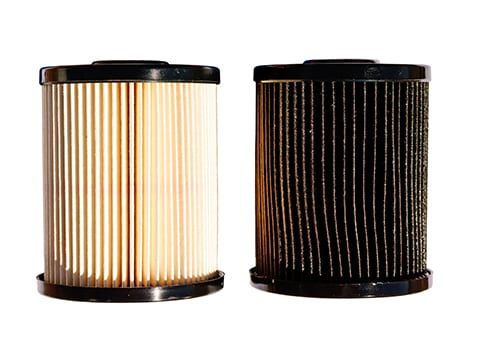
A clogged fuel filter can cause many problems. The engine may start slowly or not start at all. You might hear sputtering or stalling when driving. The vehicle may lose power during acceleration. Fuel efficiency can drop noticeably. These signs show the filter is dirty and needs attention.

Credit: www.youtube.com
Tools And Materials Needed
Cleaning a fuel filter requires the right tools and materials. Having these ready makes the job easier and safer. This section lists what you need before starting.
Essential Tools
A wrench set helps loosen and tighten bolts around the filter. A screwdriver is useful for clamps and screws. Pliers assist in removing hoses carefully. A catch pan collects any spilled fuel during cleaning. Clean rags or paper towels are necessary to wipe spills and dirt. A small brush or old toothbrush helps scrub the filter parts gently.
Safety Gear
Wear safety goggles to protect your eyes from fuel splashes. Gloves keep your hands safe from chemicals and sharp edges. Use a mask to avoid inhaling fumes. Work in a well-ventilated area to reduce harmful gas exposure. Wearing old clothes or a protective apron prevents stains and damage.
Preparing Your Vehicle
Preparing your vehicle is the first step to clean the fuel filter safely and effectively. Proper preparation helps avoid accidents and makes the process smoother.
Every vehicle is different, so it is important to know some basics about your model before you start. Getting ready well means you can clean the fuel filter without stress.
Locate The Fuel Filter
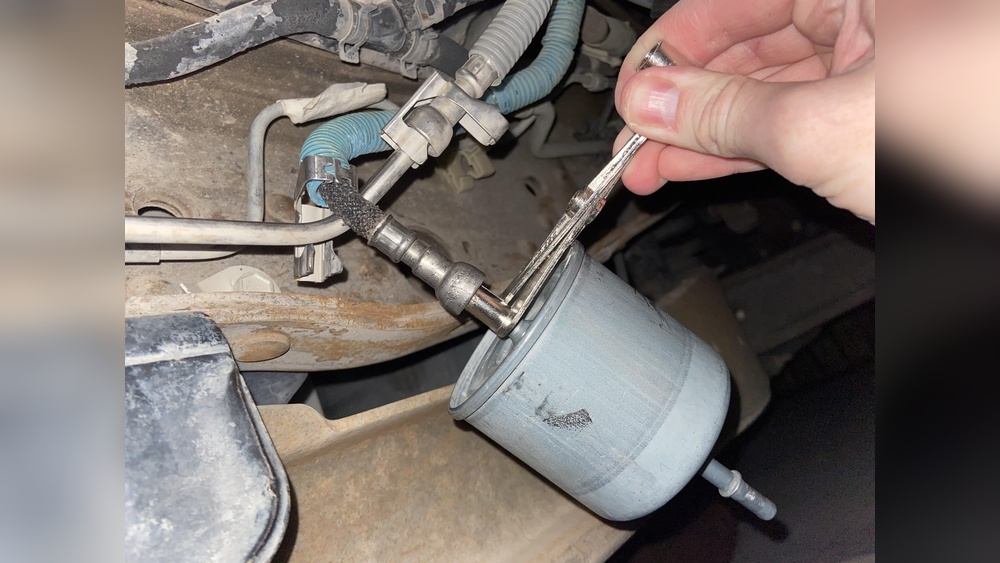
Find the fuel filter before you begin. It is usually near the fuel tank or engine. Check your vehicle’s manual for the exact location. Sometimes it looks like a small metal or plastic cylinder. Knowing where it is saves time and effort later.
Relieve Fuel System Pressure
Fuel systems often hold pressure. This can cause fuel to spray out when you open the filter. To avoid this, relieve the pressure first. You can do this by removing the fuel pump fuse and starting the engine until it stops. This step makes sure no fuel sprays during cleaning.
Credit: www.waynesautocenter.com
Removing The Fuel Filter
Removing the fuel filter is an important step in cleaning it. This process needs care and attention. The fuel filter is connected to fuel lines, which carry gasoline or diesel. Disconnecting these lines properly helps avoid damage. Also, fuel spills can happen during removal. Handling spills safely protects you and your work area.
Disconnecting Fuel Lines
First, locate the fuel lines connected to the filter. Use a wrench or pliers to loosen the clamps. Gently pull the lines off the filter. Avoid pulling too hard to prevent damage. Keep a container or cloth nearby to catch any dripping fuel. After disconnecting, cap the lines to stop leaks.
Handling Fuel Spills
Fuel spills are common when removing the filter. Use rags or absorbent pads to soak up spills immediately. Work in a well-ventilated area to avoid fumes. Wear gloves to protect your skin. Dispose of used rags safely, away from flames. Clean the area thoroughly to prevent accidents.
Cleaning The Fuel Filter
Cleaning the fuel filter helps keep your engine running smoothly. Dirt and debris can block the filter. This reduces fuel flow and engine performance. Regular cleaning extends the filter’s life. It also improves fuel efficiency. Follow clear steps to clean the filter safely.
Using Suitable Cleaning Solutions
Choose the right cleaning solution for your fuel filter. Use a fuel system cleaner or mild detergent. Avoid harsh chemicals that damage filter parts. Soak the filter in the solution for 10 to 15 minutes. This loosens dirt and grime trapped inside. Gently shake or tap the filter to remove particles. Do not scrub hard to prevent damage.
Drying And Inspecting
After cleaning, let the fuel filter dry completely. Air drying is the safest method. Avoid using heat sources like blow dryers. Check the filter carefully for cracks or wear. Replace the filter if you find damage. A clean and intact filter ensures better fuel flow. This helps your engine perform at its best.
Reinstalling The Fuel Filter
Reinstalling the fuel filter is a key step after cleaning it. Proper installation ensures your engine runs smoothly. Incorrect placement can cause leaks or poor engine performance. Follow these steps carefully to secure the filter back in place.
Correct Orientation
Check the filter for an arrow or label showing fuel flow direction. Align the filter so fuel flows in the correct direction. Installing it backward can block fuel flow. Make sure the inlet and outlet match the fuel lines.
Securing Connections
Attach the fuel lines firmly to the filter ends. Use clamps or connectors to hold the lines tight. Loose connections cause fuel leaks and air entry. Double-check all connections for a snug fit before starting the engine.
Testing Engine Performance
Testing engine performance after cleaning the fuel filter is important. It shows if the cleaning worked well. You can spot problems early. This keeps your engine running smoothly. Follow simple steps to check the engine’s condition.
Starting The Engine
Start the engine and listen carefully. The engine should start easily. No long cranking or strange noises. A clean fuel filter helps fuel flow fast. This makes starting quick and smooth. If the engine struggles, there may be a problem.
Monitoring For Issues
Watch the engine’s behavior after starting. Look for hesitation or rough idling. These signs show fuel flow problems. Check if the engine runs evenly at low speed. Sudden stalling or weak power means fuel issues. Clean filters improve fuel delivery and engine power.
Maintenance Tips
Proper maintenance of your fuel filter helps your engine run smoothly. Clean fuel filters stop dirt and debris from reaching the engine. This prevents damage and improves fuel efficiency. Knowing when and how to clean or replace your fuel filter saves time and money. Follow these tips to keep your vehicle in good shape.
Recommended Cleaning Intervals
Check your fuel filter every 20,000 to 30,000 miles. Clean it if you notice fuel flow problems or engine hesitation. Cleaning too often can damage the filter. Cleaning too late can clog the filter and reduce performance. Consult your vehicle manual for the exact cleaning schedule.
When To Replace The Fuel Filter
Replace the fuel filter every 40,000 to 50,000 miles or as advised by your manual. Replace it if cleaning does not fix engine issues. A clogged or damaged filter lowers fuel pressure and engine power. Signs include rough idling, stalling, or trouble starting. Timely replacement keeps your engine healthy and efficient.
Frequently Asked Questions
How Often Should I Clean My Fuel Filter?
You should clean your fuel filter every 20,000 to 30,000 miles. Regular cleaning prevents clogging and maintains engine performance. Check your vehicle’s manual for specific intervals.
What Tools Do I Need To Clean A Fuel Filter?
You need basic tools like wrenches, screwdrivers, a catch pan, and replacement fuel filter if required. Safety gloves and goggles are recommended too.
Can I Clean A Fuel Filter Without Removing It?
Yes, some fuel filters can be cleaned using a special cleaning spray. However, removal ensures thorough cleaning or replacement for best results.
What Are Signs Of A Dirty Fuel Filter?
Symptoms include engine misfires, poor acceleration, and reduced fuel efficiency. Your engine may also stall or have trouble starting.
Conclusion
Cleaning your fuel filter keeps your engine running smooth. Dirt and debris can block fuel flow and cause problems. Regular cleaning helps avoid costly repairs later. Use simple tools and follow steps carefully. Take your time and work safely. A clean fuel filter improves fuel efficiency and engine life.
Remember, a little care goes a long way. Keep your vehicle in good shape by checking the filter often. Simple maintenance saves money and stress.