

Have you ever wondered if your car’s fuel filter needs replacing but weren’t sure how to tell? Your fuel filter plays a crucial role in keeping your engine running smoothly by trapping dirt and debris before they reach vital parts.
Ignoring a clogged or worn-out fuel filter can lead to poor performance, costly repairs, or even breakdowns. You’ll discover clear signs that show when it’s time to replace your fuel filter—helping you avoid unexpected problems and keep your vehicle in top shape.
Keep reading to learn what to watch for and how to take action before small issues turn into big headaches.
Role Of A Fuel Filter
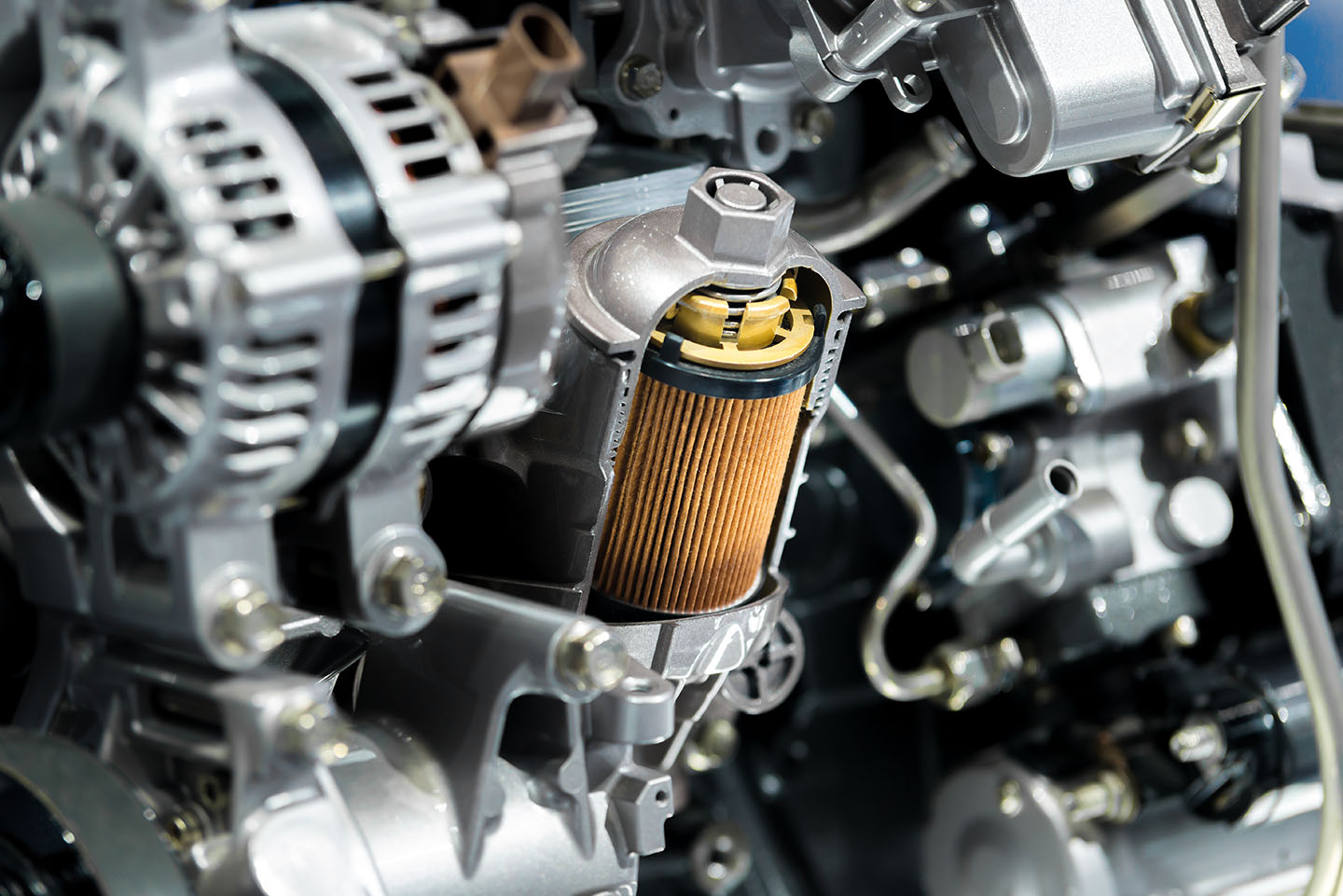
The fuel filter plays a key part in keeping the engine healthy. It cleans the fuel before it reaches the engine. Dirt and debris can cause damage if they get inside. The filter stops these particles from passing through.
Without a working fuel filter, the engine can face many problems. It helps the fuel system work smoothly. Understanding its role helps in knowing when to replace it.
Function In Fuel System
The fuel filter removes dirt, rust, and other particles. It protects the fuel injectors and engine parts. Clean fuel means better burning and less wear. The filter ensures fuel flows smoothly to the engine. It acts like a barrier for harmful debris.
Impact On Engine Performance
A clogged fuel filter reduces fuel flow. The engine may run rough or lose power. It can cause hard starts or stalling. Fuel efficiency drops when the filter is dirty. Replacing the filter keeps the engine strong and smooth.
Credit: bostechauto.com
Common Signs Of A Failing Fuel Filter
A fuel filter cleans dirt and debris from the fuel before it reaches the engine. Over time, the filter can get clogged and stop working well. This causes problems with how the engine runs. Knowing the signs of a failing fuel filter helps you fix the issue early. It keeps your car running smoothly and avoids costly repairs.
Engine Misfires And Hesitation
A clogged fuel filter can cause engine misfires. The engine may hesitate or stumble during acceleration. This happens because the engine is not getting enough clean fuel. Misfires can make driving unsafe and uncomfortable.
Difficulty Starting The Engine
Hard starts can signal a bad fuel filter. The engine struggles to get fuel when the filter blocks flow. You may need to try several times before the engine starts. This issue can get worse if the filter is not replaced.
Reduced Fuel Efficiency
A dirty fuel filter lowers fuel efficiency. The engine works harder to get fuel. This uses more gas than usual. You may notice needing to fill the tank more often. Lower mileage can cost more money over time.
Unusual Engine Noises
Strange sounds from the engine can point to a failing fuel filter. A clogged filter causes the fuel pump to work harder. This can create whining or buzzing noises. Ignoring these sounds can lead to bigger engine problems.
Visual And Physical Indicators
Visual and physical indicators help you decide if the fuel filter needs replacement. These signs are easy to spot. They show how well the filter works and if dirt clogs it. Checking these indicators saves your engine from damage. It also keeps your car running smoothly and safely.
Fuel Filter Appearance
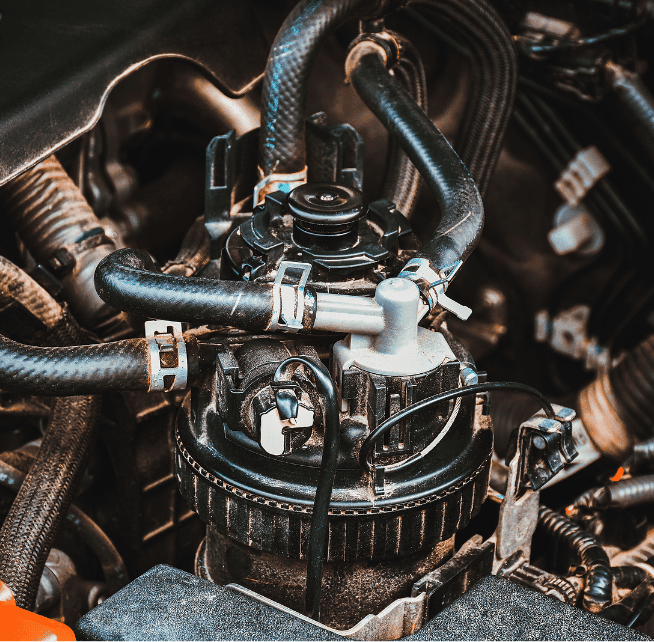
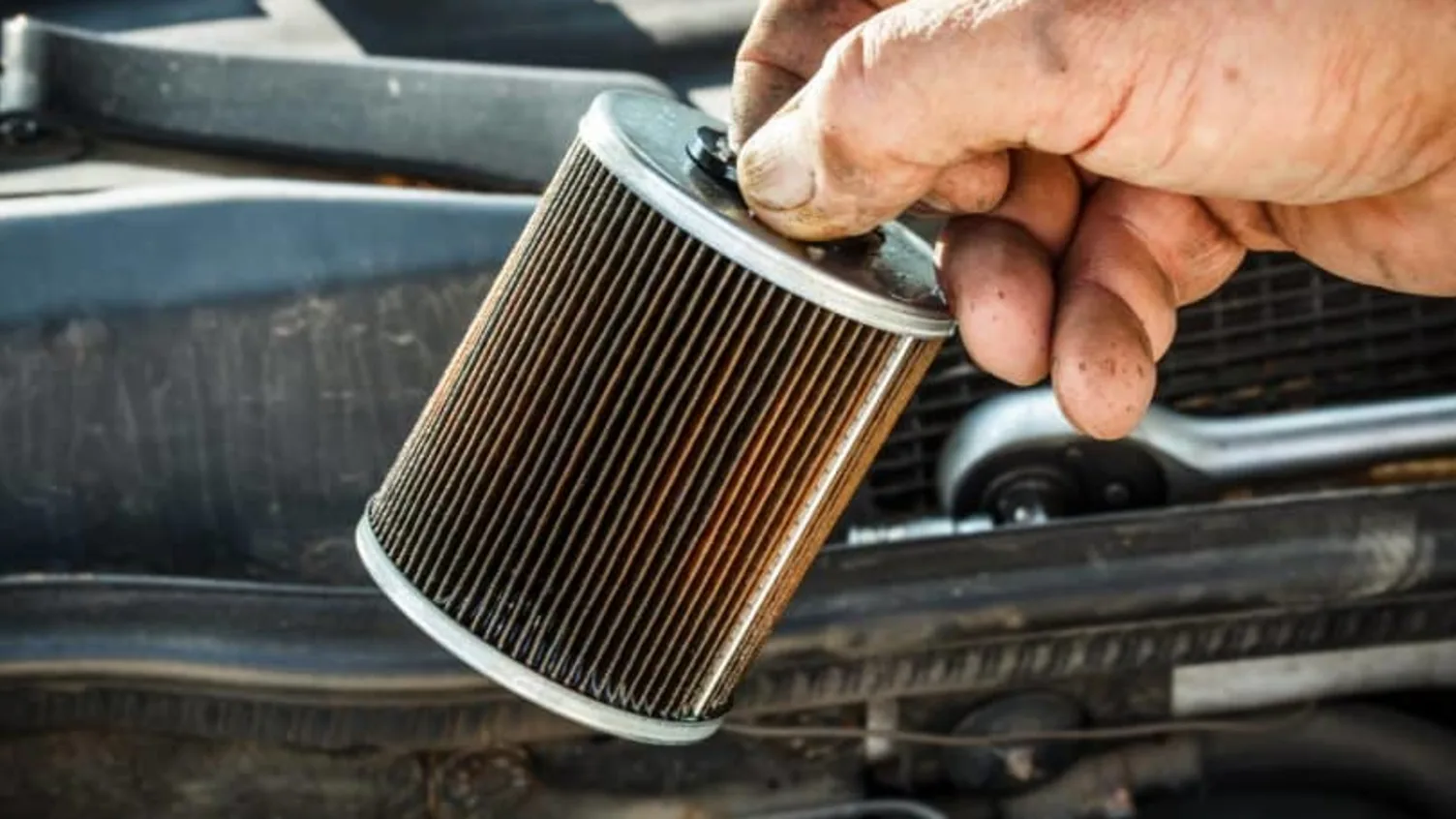
Look at the fuel filter closely. A clean filter looks clear or slightly colored. Dirt or dark spots show it is dirty. Rust or corrosion means the filter is old. Cracks or leaks are signs to replace it fast. A damaged filter can let dirt reach the engine.
Fuel Contamination Symptoms
Fuel contamination affects engine performance. The engine may hesitate or stall when accelerating. You might hear unusual noises from the fuel pump. Poor fuel flow causes rough idling or hard starts. Black smoke from the exhaust can also appear. These symptoms point to a clogged or dirty fuel filter.
Credit: branchautomotive.com
Effects Of A Clogged Fuel Filter
A clogged fuel filter causes many problems for your vehicle. It blocks fuel flow to the engine. This leads to poor engine performance and other issues. Knowing the effects helps you spot the problem early. Acting fast can prevent costly repairs and keep your car running smoothly.
Engine Stalling
One common sign is engine stalling. The engine may suddenly stop while driving. This happens because the fuel filter stops fuel from reaching the engine. The engine cannot run without enough fuel. Stalling can be dangerous on busy roads or highways.
Power Loss Under Load
Your car may lose power when climbing hills or carrying heavy loads. The clogged filter limits fuel flow during high demand. You might feel the engine struggle or hesitate. This reduces your vehicle’s overall performance and makes driving difficult.
Check Engine Light Activation
The check engine light may turn on. Sensors detect poor fuel flow or engine issues. The light warns you to check the fuel system. Ignoring this signal can cause more damage to the engine over time.
Maintenance And Replacement Intervals
Maintaining your fuel filter is key to keeping your engine healthy. Over time, fuel filters collect dirt and debris. This buildup blocks fuel flow and lowers engine efficiency. Replacing the fuel filter at the right time helps avoid costly repairs. Understanding maintenance and replacement intervals ensures your vehicle runs smoothly.
Manufacturer Recommendations
Car makers provide specific guidelines for fuel filter changes. These vary by brand and model. Most recommend changing the filter every 20,000 to 40,000 miles. Check your owner’s manual for exact intervals. Following these recommendations protects your engine and fuel system. Stick to the schedule even if the car seems fine.
Driving Conditions Impact
Driving style and environment affect fuel filter life. Frequent stop-and-go traffic clogs filters faster. Dusty or rough roads introduce more debris into the fuel. Short trips may not allow the engine to warm fully, causing residue buildup. Harsh conditions require more frequent filter changes. Adjust replacement timing based on your driving habits.
Tools And Techniques For Replacement
Replacing a fuel filter is an important part of car maintenance. Knowing the right tools and techniques helps complete the job safely and correctly. This section covers simple tools and clear steps for replacing a fuel filter. It also explains when to ask for professional help. Understanding these points saves time and protects your vehicle.
Diy Replacement Tips
Start by gathering basic tools: wrenches, screwdrivers, and a new fuel filter. Use safety gloves and eye protection. First, relieve fuel system pressure to avoid spills. Next, locate the old filter, usually near the fuel tank or engine. Carefully disconnect the fuel lines. Remove the old filter and install the new one in the same direction. Tighten all fittings firmly. Check for leaks by starting the engine briefly. Dispose of the old filter properly. Keep the work area clean and well-ventilated.
When To Seek Professional Help
Some situations need expert attention. Complex fuel systems or difficult-to-reach filters require special tools and knowledge. Signs like fuel leaks, engine stalling, or strong fuel smells may indicate bigger problems. Professionals can ensure safe handling of fuel and proper filter replacement. They also check related parts for damage. If unsure about any step, contact a mechanic. Avoid risks by letting experts handle tricky jobs.
Credit: www.bigboxcars.com.au
Frequently Asked Questions
How Often Should You Replace A Fuel Filter?
Most manufacturers recommend replacing fuel filters every 20,000 to 40,000 miles. Check your vehicle’s manual for exact intervals. Frequent replacement ensures clean fuel flow and prevents engine issues caused by clogged filters.
What Are Signs Of A Clogged Fuel Filter?
Common signs include engine misfires, poor acceleration, stalling, or difficulty starting. A clogged fuel filter restricts fuel flow, reducing engine performance. If you notice these symptoms, inspect or replace the fuel filter promptly.
Can A Dirty Fuel Filter Damage The Engine?
Yes, a dirty fuel filter can cause fuel starvation, leading to engine misfires and damage. Over time, contaminants can harm fuel injectors and reduce engine lifespan. Regular filter changes protect your engine and maintain optimal performance.
Is Fuel Filter Replacement Diy Or Professional?
Replacing a fuel filter can be a DIY task for experienced individuals with proper tools. However, many prefer professional service to avoid fuel system damage or leaks. Always follow safety precautions when handling fuel components.
Conclusion
Regularly checking your fuel filter saves your engine from damage. A clogged filter reduces fuel flow and lowers car performance. Watch for signs like rough idling or hard starts. Changing the filter on time keeps your vehicle running smooth and clean.
Don’t wait for problems to get worse. Simple maintenance helps avoid costly repairs later. Keep your fuel filter fresh for better fuel efficiency and longer engine life. Remember, small steps make a big difference in car care. Stay alert and keep your ride healthy.

