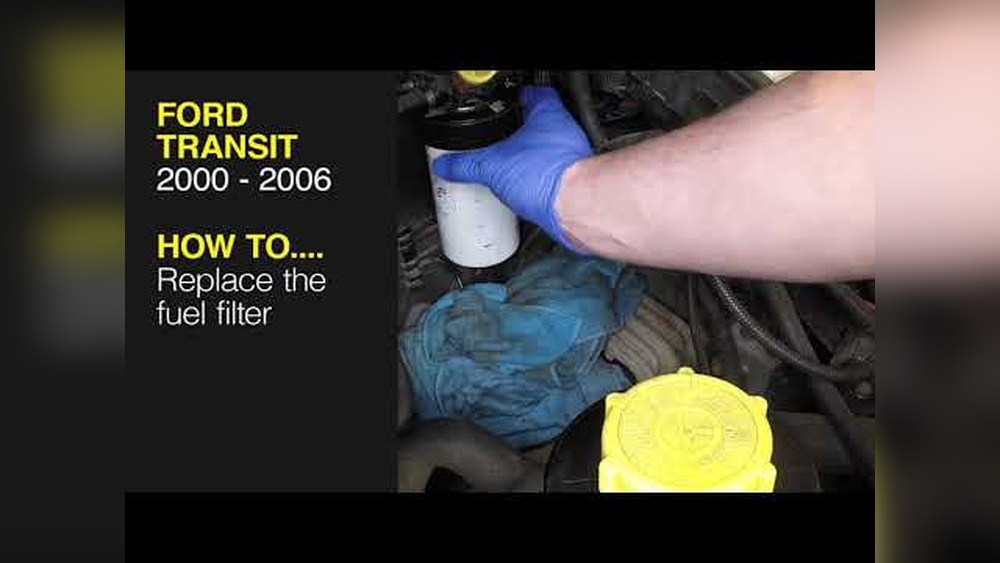
Have you ever wondered what keeps your engine running smoothly no matter how long you drive? The secret often lies in a small but mighty part called the lifetime fuel filter.
This tiny component works tirelessly to protect your engine from harmful dirt and debris. But how exactly does it do that, and why should you care about it? You’ll discover how a lifetime fuel filter works, why it matters for your vehicle’s health, and how it can save you time and money.
Keep reading to unlock the key to a cleaner, more efficient ride.

Credit: www.highflowfuel.com
Fuel Filter Basics
The fuel filter is a small but important part of a car’s engine system. It cleans the fuel before it reaches the engine. Clean fuel helps the engine run smoothly and last longer. Understanding the basics of a fuel filter helps you know why it matters for your vehicle.
This section explains the purpose of a fuel filter and the different types you might find. Knowing these details helps you care for your car better.
Purpose Of A Fuel Filter
The fuel filter stops dirt, rust, and other particles from entering the engine. These particles can block fuel injectors and cause engine problems. The filter protects the engine parts and improves fuel efficiency. Without a fuel filter, the engine could get damaged quickly. It also helps reduce harmful emissions by ensuring cleaner fuel burns inside the engine.
Types Of Fuel Filters
Fuel filters come in different types depending on the vehicle. The most common types are paper, mesh, and lifetime filters. Paper filters are cheap and easy to replace. Mesh filters use a fine metal screen to trap dirt. Lifetime fuel filters are made from durable materials and can last the car’s entire life. Each type has its own benefits and fits different engine designs.
Credit: www.paulsauto.com
Lifetime Fuel Filter Features
Lifetime fuel filters have unique features that make them different from regular filters. These features help the filter work longer and keep the engine clean. Understanding these features shows why they are a good choice for many vehicles.
Material And Design
Lifetime fuel filters use strong materials like stainless steel or special plastics. These materials resist rust and wear. The design allows fuel to flow smoothly while catching dirt. The filter is built to hold more debris than normal filters.
Self-cleaning Mechanism
Many lifetime fuel filters have a self-cleaning system. This system removes trapped dirt automatically. It helps keep the filter clear without replacing it often. The clean filter lets fuel flow better and protects the engine parts.
Durability Factors
These filters are made to last many years under tough conditions. They resist heat, pressure, and chemicals in fuel. The strong build means less chance of damage or leaks. This durability reduces maintenance and saves money over time.
How It Filters Fuel
A lifetime fuel filter keeps the fuel clean before it reaches the engine. It removes dirt, rust, and other particles. Clean fuel helps the engine run smoothly and last longer.
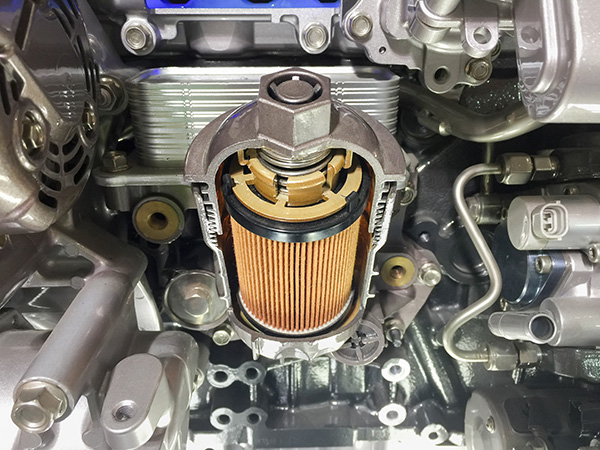
The filter uses special materials to trap contaminants. This process protects the engine from damage and wear. Understanding how the filter works shows why it is important.
Contaminant Removal Process
Fuel passes through a fine mesh inside the filter. This mesh catches small particles and debris. The filter material holds these contaminants safely. It stops them from reaching the engine parts. Over time, the filter traps more dirt but does not block fuel flow.
Flow Rate And Efficiency
The filter allows fuel to flow at a steady rate. It keeps the right amount of fuel moving to the engine. The design ensures high efficiency without slowing fuel delivery. This balance helps the engine get clean fuel fast.
Impact On Engine Performance
Clean fuel improves engine power and response. It reduces wear on engine parts and fuel injectors. The engine uses fuel more efficiently, saving gas. A good filter also lowers emissions and keeps the engine healthy longer.
Benefits Over Traditional Filters
Lifetime fuel filters offer several benefits over traditional filters. These advantages make them a smart choice for many vehicle owners. They provide long-term value and convenience. Understanding these benefits helps you make a better decision for your car’s maintenance.
Cost Savings
Lifetime fuel filters save money in the long run. They do not need frequent replacement like regular filters. This reduces the cost of buying new filters. Less spending on parts means fewer trips to the store. It helps avoid extra labor costs at the mechanic.
Maintenance Reduction
These filters need little maintenance. Traditional filters require regular changes to work well. Lifetime filters keep working without needing much attention. This means less time and effort spent on upkeep. Your vehicle stays protected with less hassle.
Environmental Impact
Lifetime fuel filters create less waste. Fewer filter changes mean fewer used filters thrown away. This reduces landfill waste and pollution. Using these filters supports a cleaner environment. It is a simple step toward greener vehicle care.
Installation And Compatibility
Installing a lifetime fuel filter requires attention to compatibility and proper steps. Choosing the right filter helps maintain engine health and fuel efficiency. Knowing which vehicles support these filters makes the process easier. Proper installation ensures the filter works correctly and lasts long.
Vehicle Types Supported
Lifetime fuel filters fit many modern cars and trucks. Most gasoline and diesel engines can use them. Some filters are designed for specific brands or models. Checking the filter’s specifications is important before buying. Confirm it matches your vehicle’s make, model, and year.
Installation Tips
Start by locating the old fuel filter in your vehicle. It is usually near the fuel tank or engine bay. Release fuel pressure safely before removing the old filter. Use the right tools to avoid damage to fuel lines. Install the new filter in the correct direction of fuel flow. Tighten all connections securely to prevent leaks. Test the system by running the engine and checking for issues.
Common Challenges
Some filters may not fit perfectly, causing installation problems. Rust or dirt can make removing the old filter difficult. Fuel leaks can occur if connections are loose. Incorrect filter orientation can block fuel flow. Using wrong tools can damage fuel lines or fittings. Always double-check compatibility and installation steps to avoid these issues.

Credit: www.billswebspace.com
Signs Of Filter Wear
Fuel filters keep your engine clean by trapping dirt and debris. Over time, even a lifetime fuel filter shows signs of wear. Recognizing these signs helps prevent engine problems and costly repairs. Below are key signs to watch for.
Performance Issues
A worn fuel filter can cause slow acceleration or engine misfires. You may notice your car hesitates or loses power. Rough idling or stalling can also happen. These problems occur when fuel flow is blocked.
Inspection Methods
Visual checks reveal dirt or damage on the filter. Check for cracks or leaks around the filter housing. Listen for unusual engine noises during operation. A mechanic can test fuel pressure to confirm blockages.
When To Replace
Replace the filter if performance problems persist. Follow your vehicle’s service schedule for fuel filter changes. Consider replacement after heavy driving or poor fuel quality. Timely replacement keeps your engine running smoothly.
Future Trends In Fuel Filtration
Fuel filtration is evolving fast. New technology aims to make filters last longer and work better. These changes help engines run cleaner and save money on repairs. Here are some future trends shaping fuel filters.
Advancements In Materials
Fuel filters will use stronger and lighter materials. These materials resist heat and corrosion. They trap smaller dirt particles than before. Filters will stay effective for many years. This means less frequent replacements and fewer problems.
Smart Filter Technologies
Future filters may include sensors that track dirt levels. These sensors alert drivers when filters need cleaning or changing. Some filters could adjust their performance automatically. This keeps engines running smoothly and saves fuel. Smart filters make maintenance easier and more precise.
Integration With Hybrid Systems
Fuel filters will work better with hybrid engines. These filters handle different fuel types and electric power. They ensure clean fuel flow for both gasoline and electric components. This integration improves engine life and efficiency. Filters will support cleaner, greener transportation.
Frequently Asked Questions
What Is A Lifetime Fuel Filter?
A lifetime fuel filter is designed to last the vehicle’s entire life. It filters contaminants without needing replacement. This reduces maintenance costs and ensures cleaner fuel reaches the engine consistently.
How Does A Lifetime Fuel Filter Work?
It traps dirt, rust, and debris from fuel using advanced filtration media. The filter maintains fuel flow while preventing engine damage. Its durable design allows it to function effectively for many years.
Are Lifetime Fuel Filters Better Than Regular Filters?
Yes, lifetime filters offer longer service life and better filtration. They reduce the need for frequent replacements, saving time and money. However, proper fuel quality is essential for optimal performance.
Can A Lifetime Fuel Filter Improve Engine Performance?
Yes, by maintaining clean fuel, it enhances engine efficiency and power. It prevents clogging and fuel system damage, resulting in smoother operation. Consistent filtration helps prolong engine lifespan.
Conclusion
A lifetime fuel filter cleans fuel continuously without needing replacement. It traps dirt and debris to protect the engine. This filter helps the engine run smoothly and last longer. You save time and money by not changing it often. Keeping your fuel clean keeps your car healthy.
Understanding how it works helps you care for your vehicle better. Choose a quality filter for best results and long engine life. Simple but effective.