Have you ever wondered why your engine sometimes struggles or why fuel system problems keep popping up? The answer might lie in something you don’t often think about: water in your fuel.
Water can sneak into your fuel tank and cause serious damage, but that’s where a fuel water separator filter comes in. This small device plays a big role in protecting your engine and keeping it running smoothly. You’ll discover exactly how a fuel water separator filter works and why it’s so important for your vehicle’s health.
Keep reading, and you’ll learn how to prevent costly repairs and boost your engine’s performance with this simple yet powerful tool.

Credit: www.marineenginedigest.com
Fuel Water Separator Basics
A fuel water separator is a device that removes water from fuel. Water in fuel causes engine problems and damage. The separator ensures cleaner fuel reaches the engine. It protects the engine and helps it run smoothly.
These separators use special filters to catch water and dirt. They let only clean fuel pass through. This process helps extend engine life and improve performance. Understanding the basics helps you appreciate its role in engines.
Purpose And Importance
The main purpose is to remove water from fuel. Water causes corrosion and poor engine performance. It can also block fuel injectors. Removing water prevents these problems.
A clean fuel supply ensures the engine runs efficiently. It reduces maintenance costs and breakdowns. The separator protects critical engine parts. This makes it an important component in fuel systems.
Common Applications
Fuel water separators are common in diesel engines. They are used in trucks, boats, and heavy machinery. These engines often face water contamination risks.
Separators are also found in generators and agricultural equipment. Anywhere fuel quality matters, separators help. They keep machines running longer and better.
Core Components
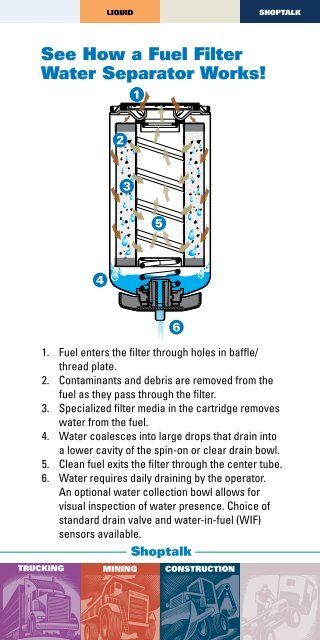
The fuel water separator filter works by using key parts to remove water from fuel. These parts work together to keep the fuel clean. Clean fuel helps engines run better and last longer.
Understanding the core components helps to know how the filter does its job. Each part plays a simple but important role in filtering the fuel effectively.
Filter Element
The filter element is the main part that traps dirt and water. It has tiny fibers that catch particles and separate water from fuel. The fuel passes through this element, leaving impurities behind. This keeps the fuel clean before it reaches the engine.
Water Collection Bowl
The water collection bowl sits below the filter element. Water that is separated from the fuel collects here. This bowl holds the water safely, stopping it from mixing back into the fuel. It is usually clear, so you can see how much water has collected.
Drain Valve
The drain valve is at the bottom of the water bowl. It allows easy removal of water without opening the filter. You open the valve to drain the water out. This keeps the filter working well and prevents water from damaging the engine.
Working Principle
The working principle of a fuel water separator filter is simple yet effective. It removes water and impurities from fuel before the engine uses it. Clean fuel helps the engine run smoothly and last longer. Understanding how this filter works can help you maintain your vehicle better.
Fuel Flow Path
Fuel enters the filter through an inlet. It flows inside the filter housing. The fuel moves slowly to allow water and dirt to separate. The clean fuel then exits through the outlet. This path ensures the fuel gets cleaned before reaching the engine.
Water Separation Process
Water is heavier than fuel. Inside the filter, water droplets fall to the bottom. They collect in a separate chamber. This process stops water from mixing with fuel. Regular draining removes the water from the filter.
Filtration Mechanism
The filter uses a special material to trap dirt and particles. It blocks contaminants that could harm the engine. The filter material lets clean fuel pass through easily. This keeps the fuel system safe and efficient.
Credit: www.thehulltruth.com
Types Of Fuel Water Separators
Fuel water separators come in different types. Each type works differently to remove water from fuel. Choosing the right type depends on the engine and fuel system. Understanding these types helps maintain engine health and performance.
Centrifugal Separators
Centrifugal separators use spinning to separate water from fuel. The fuel spins quickly inside the separator. Water, being heavier, moves outward and collects separately. This method removes large amounts of water fast. It works well with diesel engines and heavy machinery.
Coalescing Filters
Coalescing filters trap small water droplets inside the filter media. These droplets combine into bigger drops. Bigger drops fall to the bottom of the separator tank. This process improves fuel quality by removing fine water particles. It also removes dirt and rust from the fuel.
Combination Units
Combination units mix both centrifugal and coalescing methods. They first spin the fuel to remove large water droplets. Then, the fuel passes through a filter to catch smaller droplets. This double action ensures cleaner fuel and better engine protection. It suits engines needing high fuel purity.
Signs Of A Failing Separator
A fuel water separator filter protects your engine from water in the fuel. It keeps the engine running smoothly and avoids damage. Sometimes, the separator filter can fail. Knowing the signs helps you fix it early. This stops bigger problems and costly repairs.
Engine Performance Issues
Your engine may run rough or stall often. It can lose power or hesitate during acceleration. These problems happen because water blocks fuel flow. The engine does not get clean fuel, causing poor performance.
Visible Water Contamination
Check the filter’s clear bowl or sight glass for water. You may see droplets or cloudy liquid inside. Water should not stay in the filter. If it does, the separator is not removing water properly.
Fuel Odor And Smell
A strong fuel smell inside or near the engine can be a warning. It means fuel leaks or poor fuel quality due to separator failure. This smell signals a risk of fire or engine damage. Act quickly to check the filter.
Maintenance Tips
Proper maintenance keeps your fuel water separator filter working well. It helps protect your engine from damage and ensures smooth performance. Regular care prevents water and dirt build-up in your fuel system.
Follow these easy steps to maintain your fuel water separator filter. They save you time and money by avoiding costly repairs.
Regular Inspection
Check your fuel water separator filter often. Look for cracks, leaks, or dirt. A clean filter works better and lasts longer. Early detection of problems helps avoid engine issues.
Draining Water
Water collects at the bottom of the filter. Drain it regularly using the drain valve. This keeps water from reaching the engine. Draining prevents corrosion and fuel contamination.
Filter Replacement
Change the filter as the manufacturer suggests. A clogged filter reduces fuel flow and engine power. Use the correct replacement part. Proper installation ensures the filter seals tightly and works well.
Benefits Of Using Fuel Water Separators
Fuel water separators protect engines by removing water from fuel. This simple device prevents damage and keeps engines running smoothly. Using a fuel water separator offers several important benefits for vehicles and machinery.
Improved Engine Longevity
Water in fuel causes rust and corrosion inside the engine. This damage reduces engine life and performance. Fuel water separators remove water before it reaches the engine. This protection helps engines last longer and stay reliable over time.
Enhanced Fuel Efficiency
Water in fuel lowers combustion quality. Poor combustion wastes fuel and reduces power. By removing water, fuel burns cleaner and more efficiently. Better fuel use means engines run stronger and use less fuel overall.
Reduced Repair Costs
Water contamination leads to costly repairs and part replacements. Fuel water separators stop water from causing damage. This lowers the chance of engine breakdowns and expensive fixes. Using a separator saves money on repairs and maintenance.
Common Installation Mistakes
Installing a fuel water separator filter correctly is important for its best performance. Many people make simple mistakes that reduce the filter’s effectiveness. These errors can cause leaks, blockages, or poor filtration. Understanding common installation mistakes helps avoid problems and keeps engines running smoothly.
Incorrect Positioning
Placing the filter in the wrong position causes poor water separation. The filter must be installed vertically to work properly. If it hangs at an angle, water might not drain well. Position near the fuel tank is important too. Too far from the engine can cause fuel flow issues.
Improper Sealing
Seals prevent fuel and water leaks around the filter. Using old or damaged seals leads to leaks and contamination. Tighten fittings just enough; over-tightening can damage seals. Always check seals after installation for any sign of leakage. Proper sealing ensures clean fuel reaches the engine.
Neglecting Regular Checks
Many ignore regular inspection after installing the filter. Water and debris build up over time and must be drained. Skipping checks can block fuel flow and damage the engine. Set a schedule to check the filter and drain water often. Regular care extends the filter’s life and engine health.
Choosing The Right Separator
Choosing the right fuel water separator filter is key to protecting your engine. The right filter keeps water and dirt out of your fuel system. It also helps your engine run smoothly and last longer. Different filters suit different engines and fuel types. Picking the right one saves money and prevents damage.
Compatibility With Fuel Type
Fuel water separators must match the fuel type used in your engine. Diesel engines need filters designed for diesel fuel. Gasoline engines require different filter materials. Using the wrong filter can cause poor performance and damage. Check the filter specifications for fuel compatibility before buying.
Flow Rate Considerations
Flow rate is how fast fuel passes through the filter. Choose a filter with the right flow rate for your engine size. A filter with too low a flow rate can starve the engine of fuel. A filter with too high a flow rate might not clean fuel well. Match the flow rate to the engine’s fuel demand.
Brand And Quality Factors
Quality matters in fuel water separators. Choose filters from trusted brands with good reviews. Low-quality filters may leak or fail early. Good filters have strong seals and effective filtration media. Investing in quality protects your engine and reduces maintenance costs.
Credit: www.yumpu.com
Frequently Asked Questions
What Is A Fuel Water Separator Filter?
A fuel water separator filter removes water and contaminants from fuel. It protects the engine by ensuring clean fuel flows. This prevents damage and improves engine efficiency and longevity.
How Does A Fuel Water Separator Filter Work?
The filter traps water and particles from fuel as it flows through. Water, being heavier, settles at the bottom. Clean fuel moves on to the engine, ensuring optimal performance.
Why Is Water Removal Important In Fuel Systems?
Water in fuel causes corrosion, poor combustion, and engine damage. Removing water prevents rust and clogging. It ensures smooth engine operation and extends fuel system life.
How Often Should A Fuel Water Separator Be Replaced?
Replacement depends on use and fuel quality but generally every 12,000 to 15,000 miles. Check manufacturer guidelines regularly. Replacing timely maintains filter efficiency and engine protection.
Conclusion
A fuel water separator filter keeps your engine safe from water damage. It removes water and dirt from the fuel before it reaches the engine. Clean fuel helps the engine run smoothly and last longer. Regular filter checks and changes keep your vehicle in good shape.
Understanding how this filter works helps you maintain your engine better. Trusting this simple device protects your engine every day. It is a small part with a big job. Keep it clean, and your engine will thank you.