
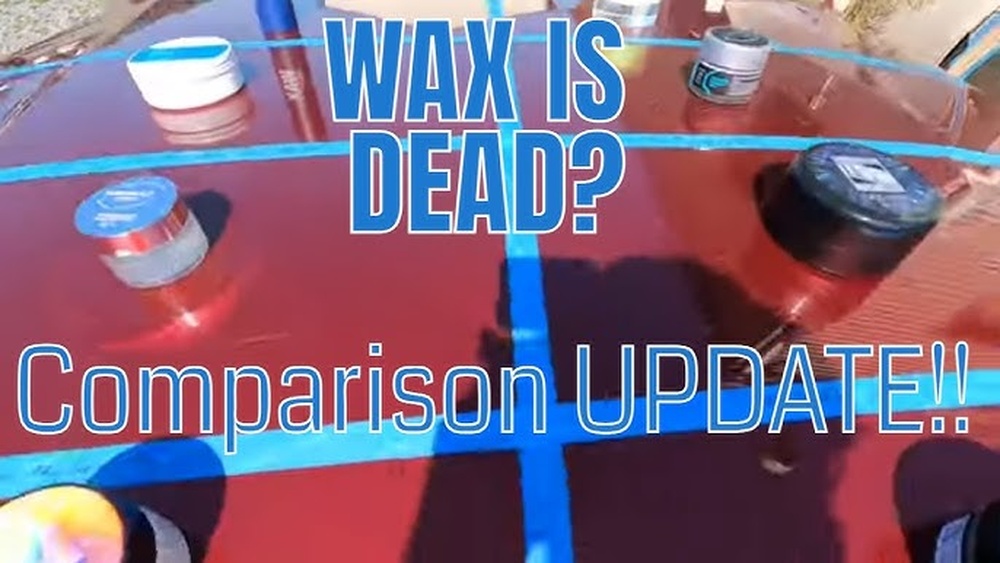
You’ve just finished waxing your car, and it looks amazing—shiny, smooth, and protected. But now you might be wondering, how long does that wax actually last?
Knowing this can save you time, money, and frustration while keeping your car’s finish in top shape. You’ll discover exactly how long wax stays effective, what factors affect its durability, and when it’s time to reapply. Keep reading to unlock the secrets to a long-lasting shine that will make your car the envy of the road.
Factors Influencing Wax Longevity
Wax on a car does not last the same time for everyone. Several factors change how long the wax protects your car’s paint. Understanding these can help you keep your car looking shiny and new for longer.
Types Of Car Wax
Different waxes last different amounts of time. Carnauba wax gives a deep shine but wears off faster. Synthetic waxes last longer and protect better. Some waxes mix both types for balance. Choosing the right wax affects how long the protection stays.
Environmental Conditions
Weather and surroundings wear down car wax. Sunlight and heat break wax down quickly. Rain and snow wash wax away over time. Dust and dirt can scratch and reduce wax life. Parking indoors helps wax last longer than outside.
Application Techniques
How you apply wax changes its durability. Applying too thin or too thick affects protection. Using a clean, dry cloth spreads wax evenly. Letting wax dry before buffing gives better results. Regular waxing keeps the car’s finish strong and shiny.
Credit: www.reddit.com
Typical Duration Of Car Wax
Car wax protects your vehicle and keeps it shiny. The length of time wax lasts depends on several factors. Knowing the typical duration helps in planning the next wax application. Different types of wax and surfaces affect how long the protection holds.
Understanding these differences makes it easier to keep your car looking good. Let’s explore how natural and synthetic waxes compare. Also, see how wax performs on various surfaces.
Natural Vs Synthetic Waxes
Natural waxes come from plants, like carnauba. They give a deep, warm shine. Usually, natural wax lasts about 4 to 6 weeks. It can wear off faster in harsh weather or frequent washing.
Synthetic waxes are made in labs. They create a harder, longer-lasting shield. Synthetic wax can protect your car for 2 to 3 months. It resists rain, dirt, and UV rays better than natural wax.
Choose natural wax for a rich shine. Pick synthetic wax for longer protection.
Expected Lifespan On Different Surfaces
Wax sticks differently to various car surfaces. Paint usually holds wax the longest, up to 3 months with synthetic types. Clear coats also keep wax well, providing good protection.
Plastic trims and rubber parts do not hold wax as long. Wax may last only a few weeks on these surfaces. Glass surfaces get some benefit but need special glass sealants for longer protection.
Regular washing and parking in the shade can help wax last longer. Rough roads and strong sun shorten the wax lifespan.
Signs Wax Needs Reapplication
Wax protects your car’s paint and keeps it shiny. Over time, wax wears off. Knowing the signs helps you keep your car looking new. Watch for clear signals that your wax needs a fresh coat. This keeps your car safe from dirt, water, and sun damage.
Dullness And Fading
Wax keeps your car’s surface bright and glossy. When wax fades, the paint looks dull. Colors lose their sparkle and seem faded. The shine feels less smooth to touch. This change means the wax layer is thinning. Reapplying wax restores the vibrant look.
Water Beading Loss
Good wax makes water form small beads on your car. These beads roll off easily, protecting the paint. When water stops beading and spreads flat, wax has worn off. This means the protective layer is gone. Time for a new wax coat to shield your car from moisture.
Preparing Your Car For Wax
Preparing your car for wax is a key step to get the best results. Wax sticks better on a clean and smooth surface. Dirt and old wax can stop new wax from bonding well. Taking time to prepare your car helps the wax last longer and shine brighter.
Cleaning And Decontamination
Start by washing your car with soap and water. This removes dust, dirt, and grime. Use a soft sponge to avoid scratches. Rinse well and dry with a clean towel.
After washing, use a clay bar to remove tiny particles. Clay takes off tar, sap, and pollution stuck on the paint. This step makes the surface very smooth. It helps the wax stick better and look clearer.
Surface Inspection And Repair
Look closely at your car’s paint for scratches or chips. Small scratches can reduce wax effectiveness. Use touch-up paint for minor chips. This protects the metal and improves appearance.
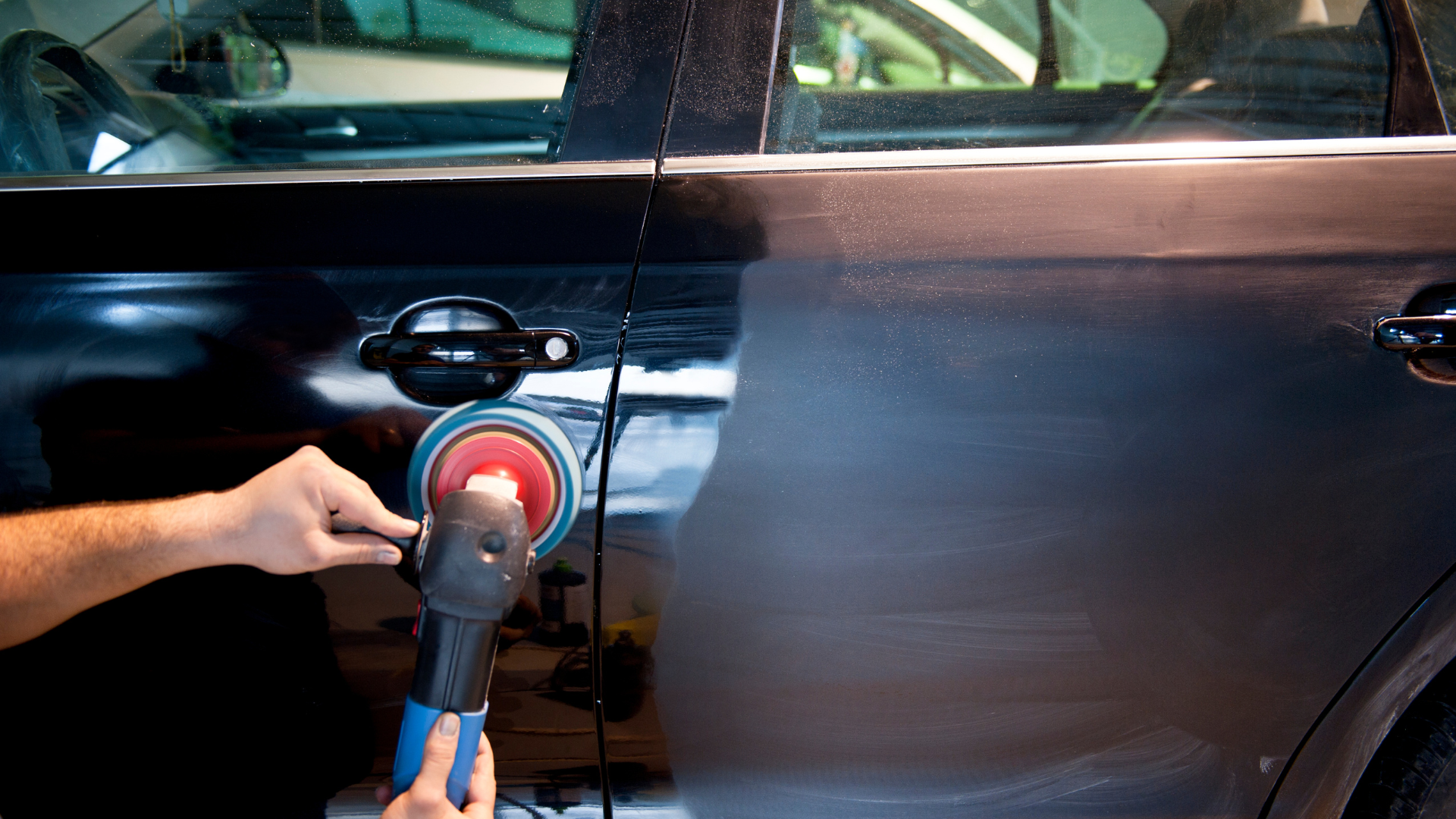
Check for faded or oxidized areas. These spots need polishing before waxing. Polishing removes dull layers and restores shine. A smooth, even surface helps wax last longer.
Tips For Applying Wax Effectively
Applying wax correctly helps protect your car’s paint and keeps it shiny longer. Good waxing takes care and the right method. Follow these tips to apply wax effectively and get the best results.
Choosing The Right Products
Select wax that fits your car’s paint type. Paste wax works well for older cars. Liquid wax is easier for new cars. Synthetic wax lasts longer than natural wax. Look for products with good reviews and clear instructions.
Application Steps
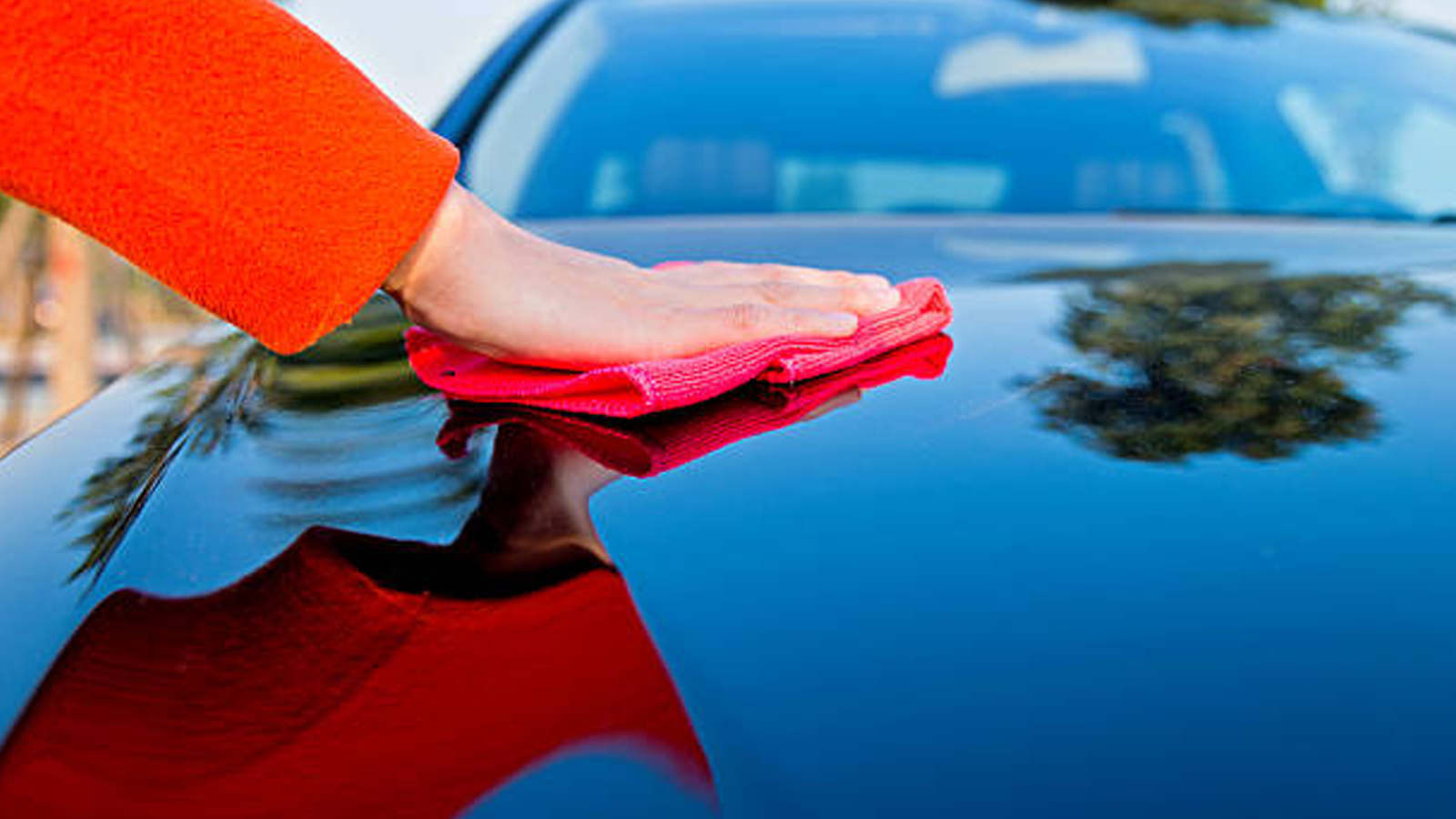
Start with a clean car surface. Wash and dry the car fully. Apply wax in small sections using a soft cloth or applicator pad. Use light, circular motions to spread wax evenly. Let the wax dry to a haze before buffing. Use a clean microfiber cloth to buff until shiny.
Avoiding Common Mistakes
Don’t wax under direct sunlight or on a hot car. Waxing on a hot surface can cause streaks. Avoid applying too much wax; thin layers work best. Don’t rush the drying time. Use separate cloths for applying and buffing. These steps prevent damage and give a smooth finish.
Maintaining Wax For Extended Shine
Keeping your car’s wax looking fresh extends its shine and protection. Regular care helps the wax last longer and keeps your car bright. Simple steps can make a big difference in maintaining that smooth, glossy finish.
Small habits help protect the wax layer from wearing off fast. These easy tips keep your car looking clean and shiny for weeks. Let’s explore how to care for wax properly to keep your car glowing.
Regular Washing Techniques
Wash your car often using gentle methods. Use a soft sponge or microfiber cloth to avoid scratches. Choose car wash soap made for waxed surfaces. Avoid dish soap or household cleaners. Rinse thoroughly to remove dirt and soap. Dry the car with a clean, soft towel. This prevents water spots and keeps wax intact.
Using Quick Detailers
Quick detailers add shine between washes. Spray a small amount on the car’s surface. Wipe gently with a microfiber cloth for a smooth finish. They help remove light dust and fingerprints. Use quick detailers regularly to boost wax shine. Avoid using them on very dirty cars.
Avoiding Harsh Chemicals
Harsh chemicals can break down wax fast. Stay away from strong detergents and solvents. These can dull the shine and damage paint. Use products made specifically for cars. Read labels to ensure they are safe for wax. Protecting wax means protecting your car’s paint.
Alternatives To Traditional Wax
Traditional car wax has been popular for a long time. It protects your car and gives it shine. But wax does not last very long. It needs to be applied often. Many car owners want longer-lasting options. These alternatives provide strong protection and keep your car looking good for weeks or months.
Sealants
Sealants are synthetic products made to protect your car’s paint. They last longer than wax, often up to six months. Sealants create a hard, protective layer on the surface. They resist dirt, water, and UV rays better than wax. Application is simple and results in a glossy finish. Sealants are a great choice for people who want less frequent care.
Ceramic Coatings
Ceramic coatings offer a very durable shield for your vehicle. They bond with the paint to form a strong layer. This layer can last for years with proper care. Ceramic coatings protect against scratches, chemicals, and weather damage. They create a slick surface that repels water and dirt easily. Applying ceramic coatings may require professional help but gives long-term benefits.
Credit: rocketcarwash.com
Credit: www.chemicalguys.com
Frequently Asked Questions
How Long Does Car Wax Typically Last?
Car wax usually lasts between 4 to 6 weeks. Environmental factors like rain, sun, and washing frequency can shorten this period. Regular maintenance helps extend wax durability and keeps your car shiny longer.
Does Wax Duration Depend On Wax Type?
Yes, synthetic waxes generally last longer, up to 6 months. Natural carnauba waxes offer a deeper shine but may last only 4 to 6 weeks. Choose based on your preference for durability or gloss.
How Can I Extend My Car Wax’s Lifespan?
Avoid frequent washing with harsh chemicals and park in shaded areas. Using gentle car wash soaps and applying wax correctly also prolongs its effectiveness and protects your car’s paint.
When Should I Reapply Car Wax?
Reapply car wax when water stops beading or the surface looks dull. This usually happens every 4 to 6 weeks, depending on your climate and driving conditions. Regular waxing maintains paint protection and shine.
Conclusion
Wax on a car usually lasts from a few weeks up to three months. This depends on the wax type and weather conditions. Regular washing and parking in shade help the wax last longer. Reapplying wax every couple of months keeps your car shiny and protected.
Simple care makes a big difference in wax durability. Keep your car looking fresh with steady wax maintenance.


