
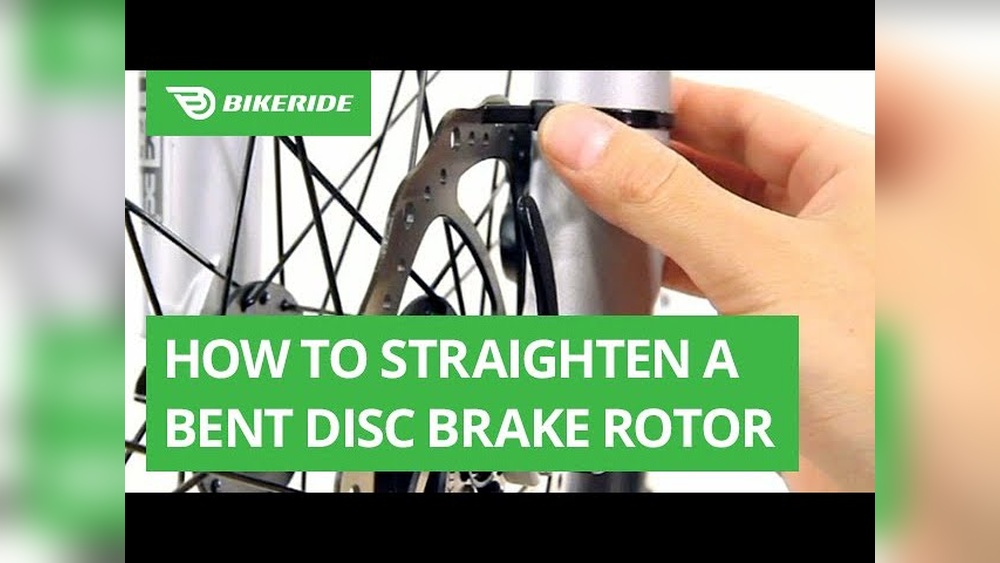
Is your bike or car making strange noises when you brake? Are you feeling vibrations that throw off your ride?
These problems often point to warped disc brake rotors. But don’t worry—you don’t have to rush to the mechanic just yet. You can learn how to straighten your disc brake rotors yourself, saving time and money. In this guide, you’ll discover simple, step-by-step methods to fix those uneven rotors and get your brakes working smoothly again.
Ready to take control of your ride’s safety and performance? Keep reading—you’re about to master a skill that can make all the difference.

Credit: www.youtube.com
Signs Of Warped Rotors
Warped brake rotors can cause serious problems for your bike or car. Knowing the signs of warped rotors helps you act fast. Early detection prevents bigger damage and keeps braking smooth.
Rotors warp from heat and wear. This changes their shape and affects braking performance. Recognizing symptoms is key to safe driving and riding.
Common Symptoms
You may feel vibrations through the brake lever or pedal. The steering wheel might shake during braking. Noises like squealing or grinding can happen. Braking may feel uneven or pulsing. These signs point to rotor warping.
Impact On Braking
Warped rotors reduce brake power. Stopping distances get longer and less reliable. You may need to press harder on brakes. This risks unsafe driving and accidents. Fixing warped rotors restores smooth, strong braking.
Credit: www.bikeradar.com
Tools Needed For Straightening
Straightening disc brake rotors requires specific tools for a smooth process. Using the right equipment helps avoid damage and ensures accuracy. Prepare all tools before starting to save time and effort.
Essential Equipment
You need a few key tools to straighten rotors effectively. A rotor truing tool or a flathead screwdriver works well for minor bends. A dial indicator helps measure rotor runout precisely. A wrench or socket set is necessary to remove the wheel and rotor. A clean cloth or brake cleaner keeps the rotor free from dirt. These tools keep the repair simple and safe.
Safety Gear
Safety is crucial during any brake work. Wear safety goggles to protect your eyes from metal particles. Use gloves to avoid cuts and dirt on your hands. A dust mask stops you from inhaling brake dust. Proper safety gear prevents accidents and keeps you healthy.
Preparing Your Bike
Preparing your bike is the first step to straighten disc brake rotors safely. It helps you work with clear access and avoid damage. Taking time now saves effort later.
Removing The Wheel
Start by placing your bike on a stable stand or surface. Release the brake caliper to free the rotor. Use a wrench to loosen the axle nuts or quick release. Carefully pull the wheel out from the frame or fork. Keep the wheel nearby for easy access.
Cleaning The Rotor
Before fixing the rotor, clean it well. Use a clean cloth with rubbing alcohol or a bike-specific cleaner. Wipe both sides of the rotor until no dirt or oil remains. Avoid touching the rotor with bare hands afterward. Clean rotors help you see bends and work precisely.
Methods To Straighten Rotors
Straightening disc brake rotors helps fix wobbles and improve braking. Bent rotors cause noise and reduce brake power. Several methods can correct these bends without replacing the rotor. Each method works best in different situations and with different tools.
Using Adjustable Wrench
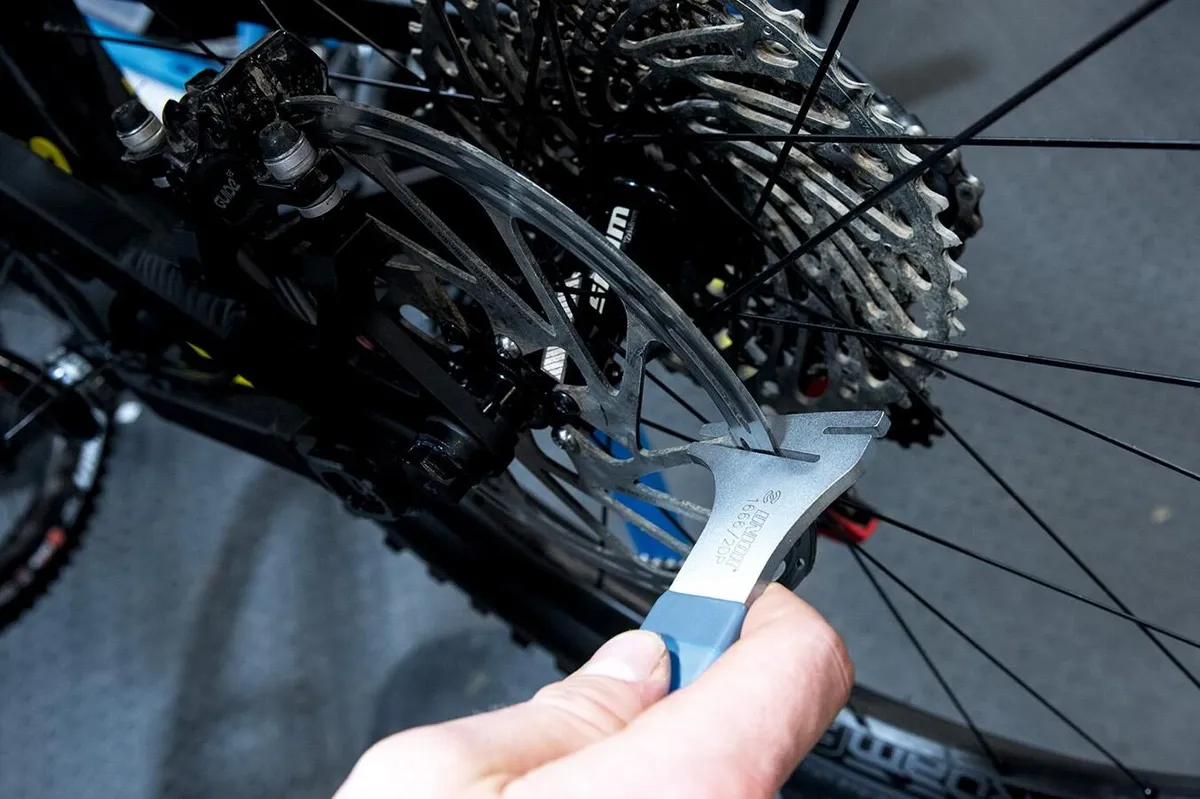
An adjustable wrench can gently bend small rotor bends back into shape. Hold the rotor firmly and locate the bent area. Place the wrench on the rotor edge near the bend. Carefully apply light pressure to move the rotor back. Work slowly and check the rotor often to avoid over-bending.
Applying Rotor Truing Tool
A rotor truing tool is designed specifically for straightening rotors. It fits around the rotor and shows where the bend is. Use the tool to apply precise pressure at the bend point. This method provides better control and accuracy than a wrench. It works well for minor and moderate rotor bends.
Manual Adjustment Techniques
Manual techniques include using your hands or a flat tool to fix small bends. Spin the wheel and watch the rotor wobble. Use fingers or a flat screwdriver to gently push or pull the bent section. Adjust little by little while checking the rotor spin. This method suits very slight bends and quick fixes.
Checking Rotor Alignment
Checking rotor alignment is a key step in straightening disc brake rotors. It helps you find out if the rotor is bent or not. Correct alignment means the rotor spins smoothly without touching the brake pads too much. This part keeps your brakes working well and stops unusual noises.
Start by looking closely at the rotor while it spins. Notice any wobbles or spots that hit the brake pads. Small bends can cause big problems in brake performance. Fixing these early can save time and money later.
Spin Test
Lift the bike so the wheel spins freely. Give the wheel a good spin with your hand. Watch the rotor carefully as it turns. Look for any side-to-side movement or wobbling. A straight rotor will spin smoothly without touching the brake pads.
If the rotor moves side to side, mark the bent spot. Use a rotor truing tool or an adjustable wrench to gently bend it back. Check again by spinning the wheel until the rotor runs straight.
Brake Pad Clearance
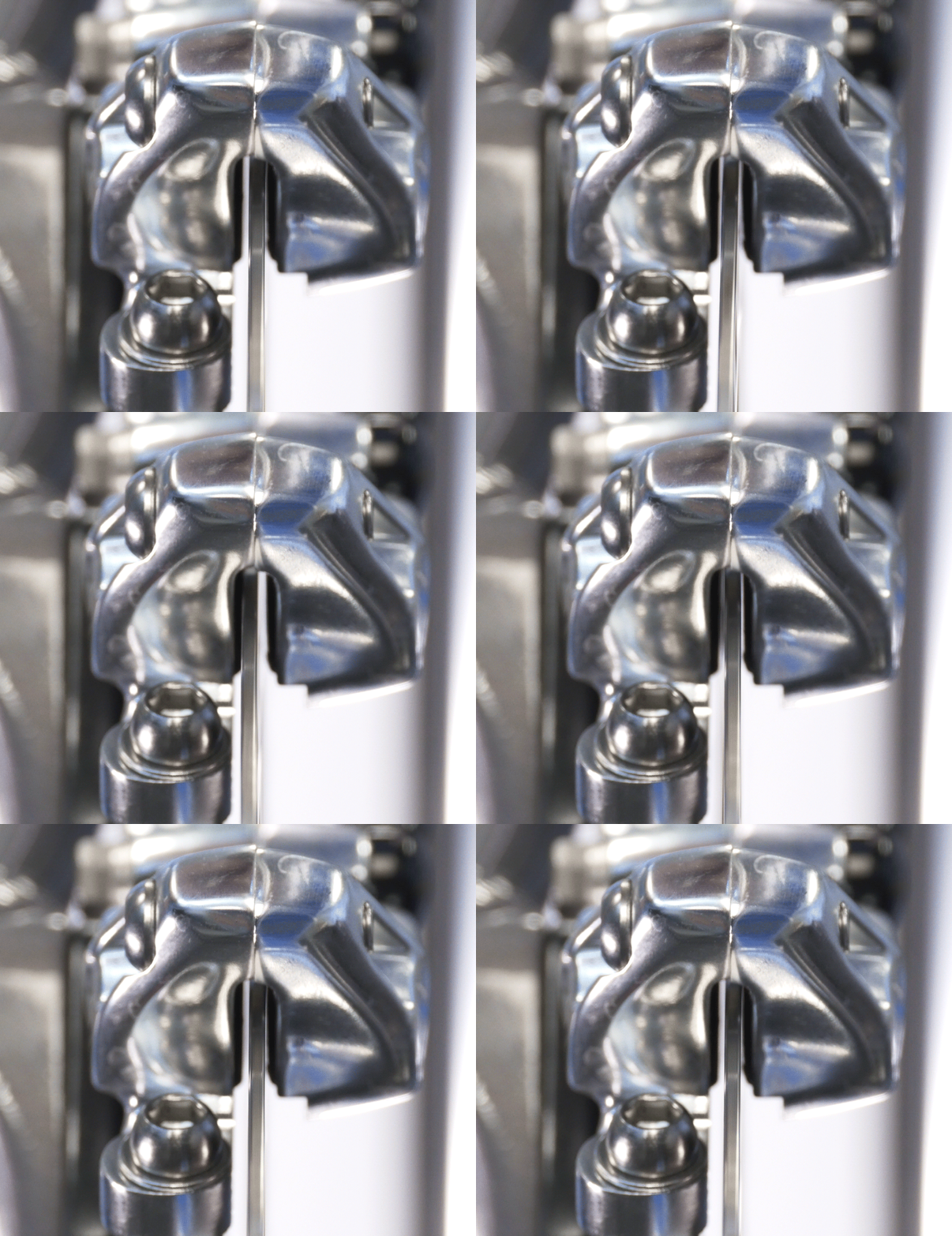
Check the space between the rotor and brake pads. The rotor should not rub against the pads when the brakes are off. Spin the wheel and listen for any rubbing sounds. Adjust the brake caliper if the rotor is too close to the pads.
Proper clearance allows smooth wheel rotation and better brake control. Too much rubbing wears out the pads and rotor quickly. Keep the clearance even on both sides for balanced braking.
Credit: www.parktool.com
Preventing Future Warping
Preventing future warping of disc brake rotors helps keep your bike safe and efficient. Warped rotors cause vibrations and reduce braking power. Taking simple steps can extend the life of your rotors. It also saves money on repairs and replacements.
Proper Riding Habits
Avoid sudden hard braking. It heats the rotor quickly, causing warping. Use steady, gentle pressure on the brakes. Slow down before corners to reduce brake stress. Let your brakes cool down after long rides. Riding on rough terrain slowly helps protect the rotors.
Regular Maintenance
Check your rotors regularly for signs of warping. Clean them often with a soft cloth and isopropyl alcohol. Avoid using oil-based cleaners. Inspect brake pads for wear and replace them if needed. Keep the brake calipers aligned to prevent uneven rotor wear. Regularly tighten all brake components to the correct torque. This keeps everything stable and prevents damage.
Frequently Asked Questions
How Do I Know If My Disc Brake Rotor Is Bent?
Check for vibrations or noise during braking. Visual warping or uneven brake pad wear also indicates a bent rotor. Use a dial gauge for precise measurement.
What Tools Are Needed To Straighten Disc Brake Rotors?
You need a rotor truing tool or an adjustable wrench, a dial gauge, and safety gloves. These tools help you carefully bend the rotor back into shape.
Can I Straighten A Severely Bent Brake Rotor?
Severely bent rotors should be replaced, not straightened. Minor bends can be corrected, but major damage risks brake failure and safety issues.
How Long Does It Take To Straighten A Disc Brake Rotor?
Straightening a rotor usually takes 10 to 20 minutes. Time varies depending on the rotor’s condition and your experience level.
Conclusion
Straightening disc brake rotors helps keep your bike safe and smooth. Small bends cause noise and poor braking. Use the right tools and work slowly to avoid damage. Check the rotor often to catch problems early. A straight rotor improves riding comfort and control.
Practice these steps to maintain your brakes well. This simple task saves money and extends rotor life. Keep your bike ready for every ride.


