
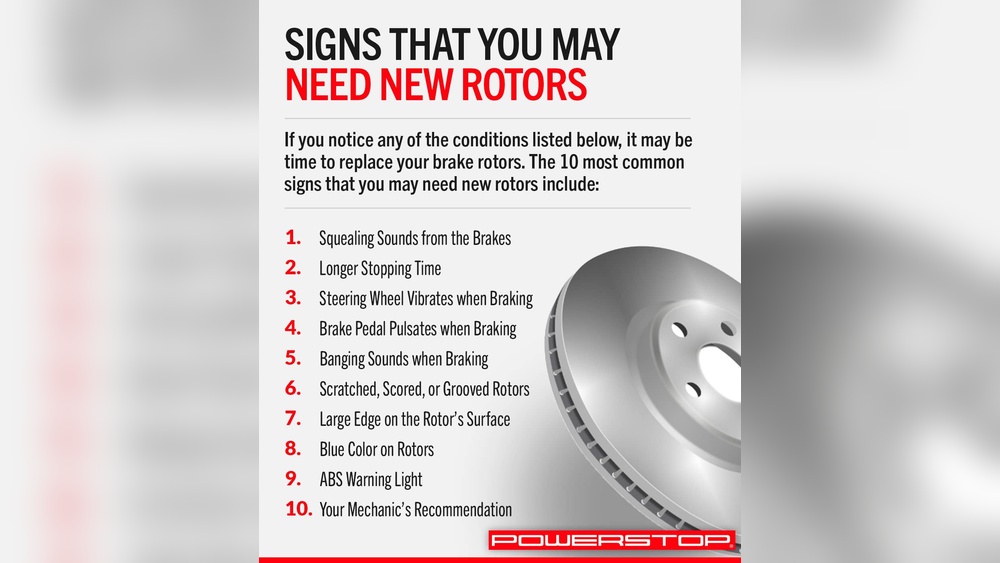
Your car’s brakes are one of the most important safety features you have. But how often should you change your brake rotors to keep everything running smoothly?
If you’re unsure when it’s time for new rotors, you’re not alone. Ignoring worn rotors can lead to costly repairs and dangerous driving conditions. You’ll discover clear signs that tell you it’s time for a change and simple tips to keep your brakes in top shape.
Keep reading—your safety and wallet will thank you.
Credit: www.reddit.com
Signs Of Worn Brake Rotors
Worn brake rotors can reduce your vehicle’s safety and performance. Recognizing the signs early helps prevent costly repairs and accidents. Watch for sounds, vibrations, and visible damage to know when to change your rotors.
Squeaking And Grinding Noises
Squeaking sounds often mean your brake pads are worn down. Grinding noises show the metal is touching the rotor. Both sounds signal the rotors may need replacement soon.
Vibration While Braking
Feel a shaking or pulsing in the brake pedal? It means the rotors are uneven or warped. Vibrations reduce braking control and need quick attention.
Visible Rotor Damage
Look at the rotors through the wheels. Deep grooves, cracks, or rust spots show damage. These signs mean the rotor surface is compromised and should be changed.

Credit: www.hawkperformance.com
Factors Affecting Rotor Lifespan
Brake rotors do not last the same for every driver. Many things change how long they stay good. Knowing these factors helps you keep your car safe and save money. Here are key points that affect how long your brake rotors last.
Driving Habits
How you drive greatly affects rotor life. Hard braking wears rotors faster. Riding the brakes or stopping suddenly causes more heat and damage. Gentle, steady stops help rotors last longer. Frequent city driving with many stops also wears rotors quicker than highway driving.
Type Of Vehicle
Heavy vehicles put more stress on brake rotors. Trucks and SUVs have bigger, tougher rotors but can wear them faster due to weight. Small cars put less strain on their rotors. The vehicle’s purpose, like towing or racing, also affects rotor wear.
Rotor Material
Rotors come in various materials, each with different lifespans. Cast iron rotors are common and affordable but wear faster. Composite or carbon-ceramic rotors last longer and handle heat better but cost more. Choosing the right material fits your driving style and budget.
Recommended Replacement Intervals
Knowing the right time to change brake rotors helps keep your vehicle safe. Rotors wear down over time and affect braking power. Following recommended replacement intervals prevents damage and costly repairs. These intervals depend on many factors like car type and driving habits.
Manufacturer Guidelines
Car makers provide specific advice for rotor replacement. These guidelines come from testing and design standards. Check your vehicle’s owner manual for exact recommendations. Sticking to these rules ensures your brakes work properly. Different models have different replacement times.
Mileage Considerations
Brake rotors usually last between 30,000 to 70,000 miles. This range changes based on road conditions and driving style. Frequent heavy braking can wear rotors faster. Long highway drives tend to cause less rotor wear. Track your mileage to plan rotor checks and replacements.
Inspection Frequency
Regular inspections help spot rotor problems early. Experts suggest checking rotors every 10,000 to 15,000 miles. Look for signs like vibration, noise, or thinning rotors. Early detection prevents bigger brake issues. Have a professional inspect your brakes during routine service visits.
Rotor Maintenance Tips
Proper care of brake rotors keeps your car safe and saves money. Simple maintenance helps rotors last longer and work well. Follow these tips to keep rotors in top shape.
Regular Inspections
Check rotors often for cracks, grooves, or rust. Use a flashlight and look closely at the rotor surface. Listen for strange noises when braking. Catching problems early prevents bigger damage.
Brake Pad Replacement
Change brake pads before they wear out completely. Worn pads can damage rotors quickly. New pads reduce stress on rotors and improve braking. Always use quality pads for best results.
Avoiding Overheating
Brake rotors get hot during hard or long braking. Avoid riding the brakes on hills or in traffic. Use engine braking to reduce heat build-up. Cooler rotors last longer and brake better.
Risks Of Delaying Rotor Replacement
Delaying the replacement of brake rotors can cause serious problems. These problems affect your vehicle’s performance and your safety on the road. Understanding the risks helps you make smart decisions about maintenance.
Reduced Braking Performance
Worn rotors lower your brake system’s ability to stop the vehicle quickly. This increases the distance needed to stop. You may feel vibrations or hear noises when braking. These signs mean the rotors are no longer smooth. Poor braking performance makes driving dangerous, especially in emergencies.
Increased Repair Costs
Ignoring rotor wear can lead to more damage. Brake pads wear out faster on bad rotors. This causes the entire brake system to fail sooner. Repairing or replacing more parts costs more money. Early rotor replacement saves money by avoiding bigger repairs later.
Safety Hazards
Bad rotors raise the risk of brake failure. Uneven rotors can cause the car to pull to one side. This makes controlling the vehicle difficult. In worst cases, brakes might stop working fully. Driving with worn rotors puts you and others at risk.
Credit: www.yourmechanic.com
Professional Vs. Diy Rotor Replacement
Replacing brake rotors is an important part of vehicle maintenance. Deciding between professional help and doing it yourself depends on many factors. Understanding these factors can help you make the right choice for safety and cost.
Rotor replacement requires specific tools and skills. Professionals have the experience and equipment to do the job quickly and correctly. Doing it yourself can save money but may take more time and effort.
Tools Required
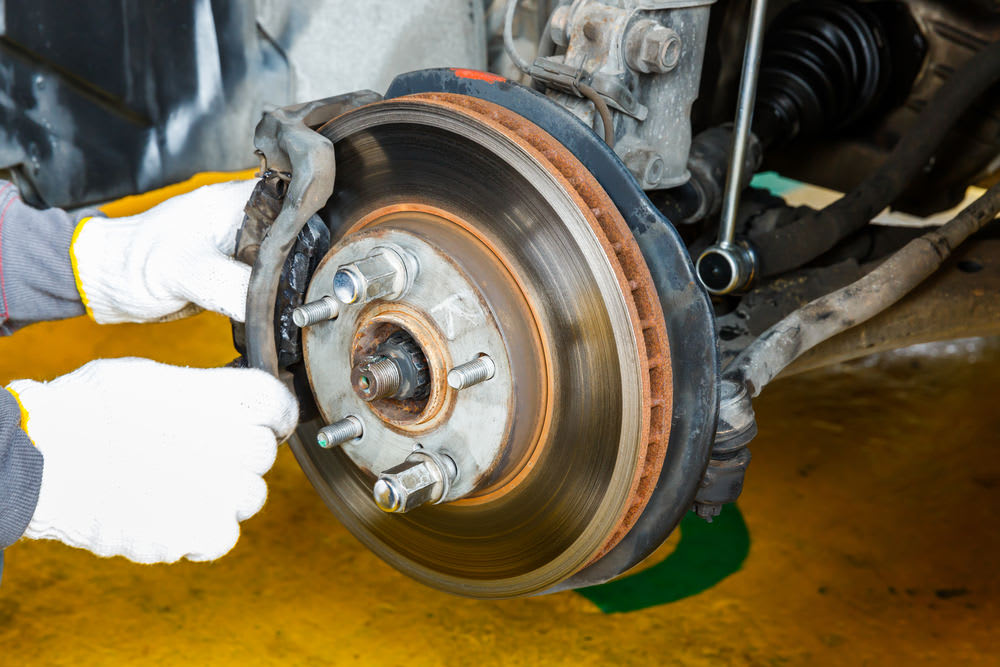
Replacing rotors needs special tools. You need a jack and jack stands to lift the car safely. A socket set and a wrench are required to remove the wheels and calipers. A torque wrench helps tighten bolts to the right level. Some cars also need a brake caliper tool to retract the caliper piston. Without proper tools, the job can be hard or unsafe.
Skill Level Needed
Changing brake rotors needs basic mechanical skills. You should understand how brake systems work. Following the correct steps is important to avoid damage. Mistakes can cause brake failure or uneven wear. Reading the vehicle’s manual helps. Professionals train for these repairs and handle problems easily.
When To Seek Professional Help
Seek professional help if you notice vibration or noise while braking. If the rotors are deeply scored or warped, experts can check if replacement is needed. If you lack tools or confidence, a mechanic is safer. Professionals inspect the whole brake system and ensure all parts work well. They also dispose of old parts correctly.
Frequently Asked Questions
How Often Should Brake Rotors Be Replaced?
Brake rotors typically need replacement every 30,000 to 70,000 miles. This varies by driving habits and rotor quality. Regular inspections help identify wear or damage early, ensuring safety and optimal braking performance.
What Are Signs Of Worn Brake Rotors?
Worn brake rotors cause vibrations, squealing, or grinding noises when braking. You may also feel reduced braking efficiency or see visible grooves on rotor surfaces. These signs indicate it’s time for rotor inspection or replacement.
Can I Replace Brake Rotors Myself?
Yes, with basic mechanical skills and tools, you can replace brake rotors. However, professional service is recommended for safety and correct installation, especially if you lack experience or proper equipment.
Does Rotor Thickness Affect Braking Performance?
Yes, rotor thickness directly impacts braking efficiency. Thin rotors overheat and warp easily, reducing stopping power. Maintaining manufacturer-recommended thickness ensures safe, consistent braking and prolongs rotor life.
Conclusion
Changing brake rotors depends on driving habits and rotor condition. Check rotors regularly for wear, grooves, or cracks. Rough rides or noise may mean it’s time to replace them. Don’t wait until brakes fail to act. Staying alert helps keep you safe on the road.
Regular maintenance saves money and avoids bigger problems. Trust your senses and schedule checks with a mechanic. Safe brakes protect you and others every trip. Simple steps keep your car running smooth and secure.
