
If you’ve noticed squeaking sounds or your car isn’t stopping as smoothly, it might be time to check your brakes and rotors. But before you head to the mechanic, you probably want to know one important thing: how much is this going to cost you?
Understanding the price of brakes and rotors can help you avoid surprises and make smart decisions for your safety and budget. You’ll get clear answers on the typical costs, what affects the price, and how to spot a fair deal.
Keep reading to protect your car and your wallet.

Credit: shop.advanceautoparts.com
Brake System Components
The brake system is key to car safety. It helps stop your vehicle quickly and smoothly. Understanding the main parts helps you know what affects the repair cost.
Brake parts wear out over time. Knowing these parts helps you spot issues early. It also prepares you for the expense of fixing them.
Brake Pads
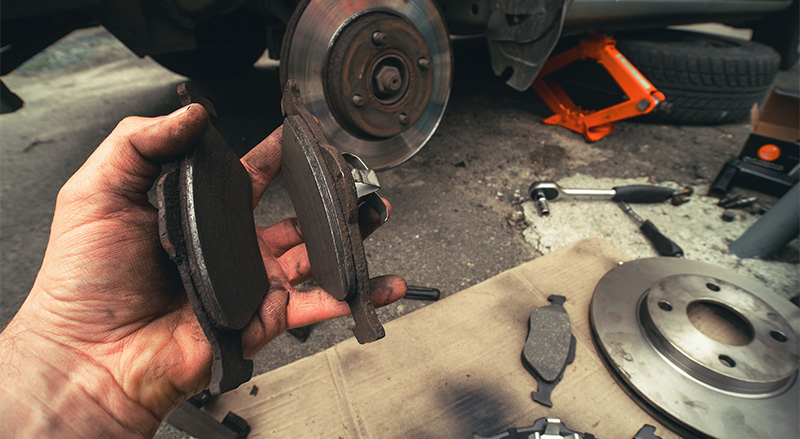
Brake pads press against rotors to stop the car. They wear down with use and need regular replacement. Prices vary by quality and car type. Budget brake pads cost less but wear faster. Premium pads last longer and cost more.
Rotors
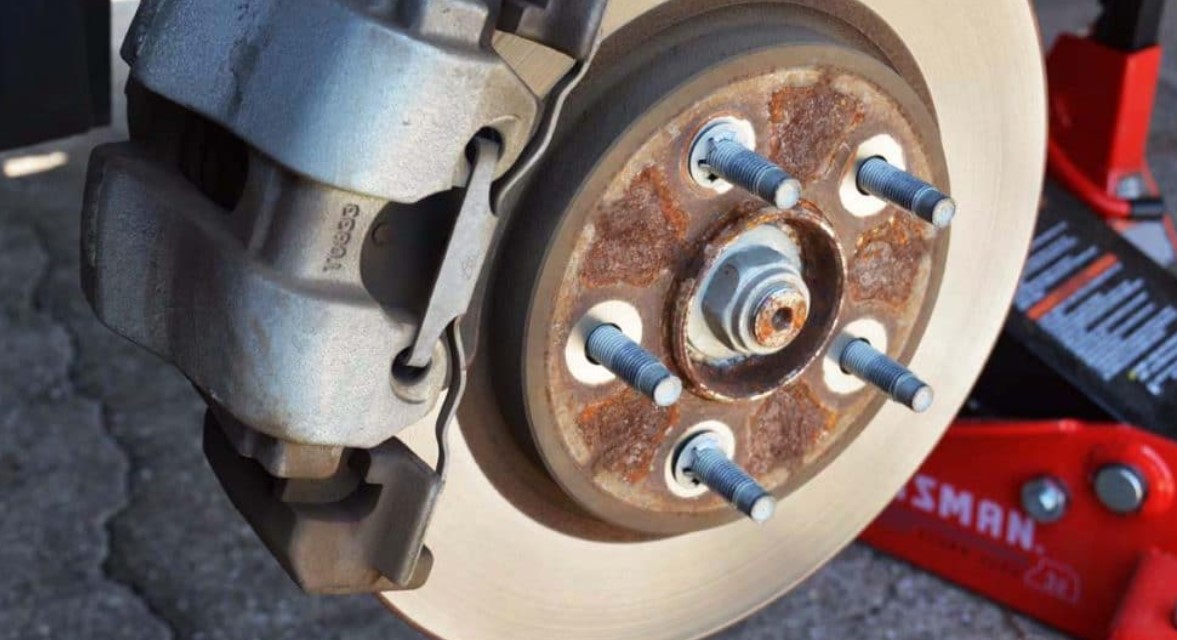
Rotors are metal discs that brake pads clamp onto. They can warp or wear thin. Replacing rotors is often pricier than pads. Costs depend on rotor size and material. Some rotors can be resurfaced instead of replaced.
Calipers And Hardware
Calipers hold brake pads and push them onto rotors. They must move freely to work properly. Caliper repairs or replacements add to the brake cost. Hardware like clips and pins keep parts aligned. Replacing hardware ensures smooth brake operation.
Factors Affecting Brake Costs
Brake and rotor costs vary widely. Several factors influence the total price. Knowing these can help you plan your budget better.
Vehicle Make And Model
Brake parts differ by vehicle type. Luxury cars often need expensive components. Common cars use standard, less costly parts. Some models require special sizes or shapes. This raises the price of brakes and rotors.
Brake Type And Quality
Brake pads come in various materials. Ceramic pads usually cost more than organic ones. High-quality rotors last longer but have higher prices. Budget parts may wear out faster. Choosing the right type affects overall cost and performance.
Labor And Installation Fees
Mechanic fees depend on location and expertise. Complex brake systems take more time to fix. Some shops charge flat rates; others charge hourly. Installation costs can add a big part to the bill. Always ask for a clear estimate before work starts.
Average Costs For Brake Pads
Brake pads are a key part of your car’s braking system. Their cost varies based on type and quality. Understanding average prices helps you plan your budget better. Here is a breakdown of common brake pad options and their costs.
Economy Pads
Economy brake pads are the most affordable choice. They usually cost between $30 and $50 per set. These pads work well for everyday driving and light use. They may wear out faster than other types, though. Ideal for budget-conscious drivers.
Performance Pads
Performance brake pads cost more, around $70 to $120 per set. They offer better stopping power and durability. These pads suit sporty or heavy-duty driving. They handle higher temperatures and resist wear longer. A good option for drivers who want extra safety.
Oem Vs Aftermarket
OEM pads come from the car’s manufacturer. They often cost more, about $50 to $100 per set. Aftermarket pads come from other companies and are cheaper. Prices range from $30 to $80. Both types can work well, but OEM parts fit perfectly. Aftermarket pads offer more variety and prices.
Average Costs For Rotors
Rotors are a key part of your vehicle’s braking system. They work with brake pads to stop your car safely. The cost of rotors varies by type and quality. Understanding the average prices helps plan your car maintenance budget.
Standard Rotors
Standard rotors are the most common choice for everyday vehicles. They cost between $30 and $75 each. These rotors are made from cast iron and offer reliable performance. They last long and suit most driving conditions.
Drilled And Slotted Rotors
Drilled and slotted rotors have holes and grooves on their surface. These features help cool the brakes and remove dust. Their price ranges from $50 to $120 per rotor. They provide better braking in wet or tough conditions.
High-performance Rotors
High-performance rotors are designed for sports cars and heavy use. They often use advanced materials like carbon or ceramic. Prices start around $100 and can go above $300 each. These rotors improve heat resistance and braking power.
Brake Replacement Packages
Brake replacement packages help you save time and money. They combine parts and labor in one deal. You get clear pricing and a smoother repair process. These packages suit different needs, from simple fixes to full upgrades.
Choosing the right package depends on your car’s condition and budget. Understanding each option helps you make the best decision for safety and cost.
Pad And Rotor Combos
This package includes new brake pads and rotors. It is the most common option for worn brakes. New pads and rotors work well together for smooth stopping. Prices usually range from $200 to $400.
This combo is great for regular wear and tear. It restores braking power without replacing the whole system.
Full Brake System Overhaul
This package replaces all major brake parts. It includes pads, rotors, calipers, and sometimes brake lines. This option costs more, around $500 to $900. It suits cars with severe brake issues or high mileage.
Overhauling the entire system ensures long-term safety. It also prevents future costly repairs by fixing all worn parts.
Diy Vs Professional Service
DIY brake replacement saves money but needs skill and tools. Mistakes can cause safety risks. Professional service costs more but guarantees proper work. Mechanics use the right tools and test brakes thoroughly.
Choosing professionals is safer for most drivers. It offers peace of mind and saves time. DIY suits those with experience and confidence in auto repairs.
Signs You Need New Brakes And Rotors
Brakes and rotors wear out over time. Knowing the signs helps you avoid costly repairs. Early detection keeps your car safe and running well. Watch for clear signals that your brakes or rotors need replacement.
Squeaking And Grinding Noises
Squeaking sounds mean brake pads are thin. Grinding noise means metal parts touch each other. This can damage rotors and brakes badly. These sounds warn you to check brakes fast.
Vibrations And Pulsations
Feel vibrations when braking? This means rotors are warped. Warped rotors cause shaking in the brake pedal. Pulsations mean uneven rotor surfaces. Both need brake service soon to fix the problem.
Reduced Braking Performance
Brakes that take longer to stop are unsafe. Soft or spongy brake pedals show air or wear. Your car may pull to one side when braking. Reduced braking power means you need new parts now.
Tips For Saving On Brake Repairs
Brake repairs can be costly but saving money is possible. Simple steps help reduce expenses and keep brakes safe. Follow these tips to lower repair bills without risking safety.
Choosing Quality Parts
Buy brake parts that last longer. Cheap parts wear out fast and cost more over time. Quality parts improve car safety and reduce repair frequency. Check reviews and buy from trusted brands only.
Regular Maintenance
Check brakes often to catch problems early. Cleaning and inspecting rotors and pads prevent serious damage. Small fixes now avoid big bills later. Follow your car’s maintenance schedule closely.
Shop Around For Quotes
Get price estimates from several repair shops. Prices vary a lot between places. Comparing quotes helps find the best deal. Don’t choose the cheapest automatically; consider reputation and warranty too.
Credit: omegaautocare.com
Future Trends In Brake Costs
Brake costs are changing. New trends affect how much you pay for brakes and rotors. Understanding these trends helps you plan for future expenses. These changes come from new vehicle types, better technology, and shifts in labor costs.
Impact Of Electric Vehicles
Electric vehicles (EVs) use different brake systems. They have regenerative braking that slows the car and recharges the battery. This reduces wear on brake pads and rotors. As more people buy EVs, brake parts may last longer. This could lower the cost of brake replacements over time.
Advancements In Brake Technology
Brake technology keeps improving. New materials make brakes stronger and last longer. Some brakes have sensors to monitor wear and alert drivers early. These smart brakes may cost more to fix but save money by preventing bigger problems. Technology also helps mechanics work faster and more accurately.
Changing Labor Costs
Labor costs vary by location and skill. As brake systems get more complex, mechanics need better training. This can raise labor prices. Shops may charge more for advanced brake repairs. At the same time, better tools and technology might reduce the time needed for repairs. Labor costs will balance out in different ways.
Credit: blog.napacanada.com
Frequently Asked Questions
How Much Do Brake Pads And Rotors Typically Cost?
Brake pads usually cost between $30 and $100 per axle. Rotors range from $30 to $75 each. Labor charges can add $100 to $200, depending on the vehicle and service location.
What Factors Affect Brakes And Rotors Replacement Price?
Prices depend on vehicle type, brake quality, rotor material, and labor rates. Luxury cars or performance parts cost more. Brake rotors made from premium materials raise the price. Labor costs vary by region and mechanic expertise.
How Often Should Brakes And Rotors Be Replaced?
Brake pads need replacement every 30,000 to 70,000 miles. Rotors last between 50,000 and 70,000 miles. Driving habits and conditions impact replacement frequency. Regular inspections help maintain brake performance and safety.
Can I Save Money By Replacing Brakes And Rotors Myself?
DIY replacement saves labor costs but requires tools and skills. Incorrect installation risks safety and costly repairs. Beginners should seek professional help to ensure proper brake function and safety.
Conclusion
Brake and rotor costs vary by vehicle and part quality. Choosing the right parts helps keep your car safe. Regular maintenance prevents costly repairs later on. Shop around to find fair prices and trusted shops. Remember, investing in brakes protects you and others.
Stay informed and make smart decisions for your car.


