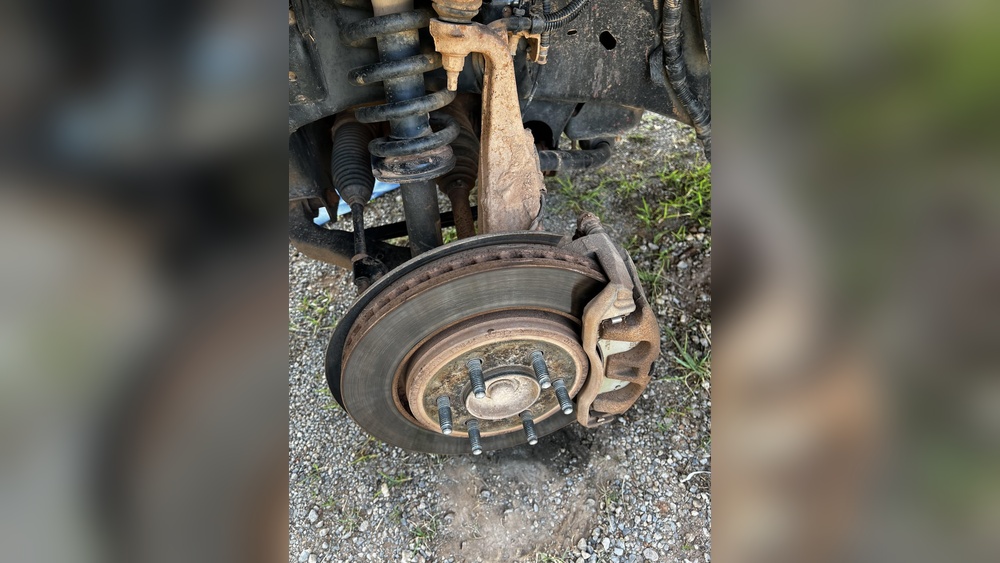
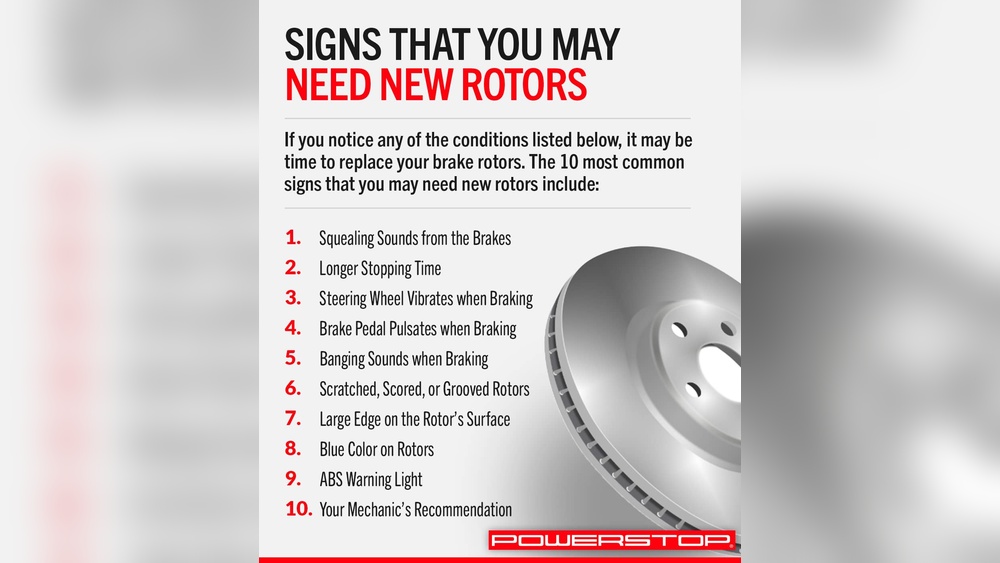
Are your brakes making strange noises or feeling less responsive? You might be wondering, “How much is it to change brakes and rotors?”
Knowing the answer can save you from unexpected costs and keep your car safe on the road. You’ll discover clear, simple information about the true cost of brake and rotor replacement. By the end, you’ll feel confident about what to expect and how to avoid overpaying.
Keep reading to protect your wallet and your safety.

Credit: www.youtube.com
Brake System Components
The brake system is key to your vehicle’s safety. It stops your car safely and smoothly. The main parts that wear out are brake pads and rotors. Understanding these parts helps you know the cost to change them.
Besides pads and rotors, the system has other small parts. All work together to keep your brakes working well.
Brake Pads
Brake pads press against the rotors to slow your car. They wear out over time because of friction. Pads need regular replacement to keep brakes strong. Costs depend on pad type and vehicle model.
Brake Rotors
Rotors are metal discs that spin with the wheels. Pads clamp down on rotors to stop the car. Rotors can get worn or warped and need changing. Rotor prices vary by size and quality.
Additional Parts
Other parts include calipers, brake lines, and hardware kits. Calipers hold pads and push them onto rotors. Brake lines carry brake fluid to the calipers. Hardware keeps pads and rotors in place. Sometimes these parts need repair or replacement too.
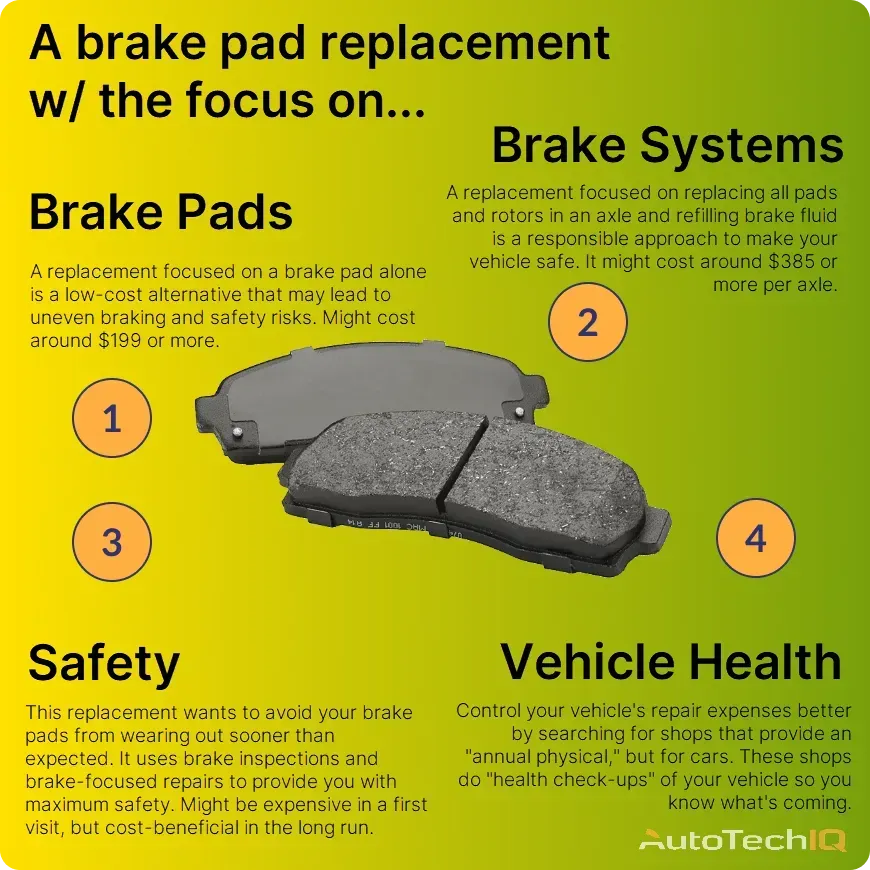
Credit: www.autotechiq.com
Signs You Need Replacement
Knowing when to change your brakes and rotors is important for safety. Worn parts can cause serious problems on the road. Watch for clear signs that tell you it is time for a replacement. Early detection helps you avoid costly repairs and keeps your car running smoothly.
Brake issues often start small but can quickly grow worse. Pay close attention to noises, performance, and how your car feels when stopping. These signals can save lives and money.
Squeaking And Grinding Noises
Squeaking sounds often mean brake pads are wearing thin. It is a warning to check your brakes soon. Grinding noises are more serious. They happen when the pads wear out completely. Metal parts rub together and damage the rotors. This noise means immediate replacement is needed.
Reduced Braking Performance
Brake performance drops as pads and rotors wear down. Your car takes longer to stop. The brake pedal may feel soft or spongy. This reduces control and increases accident risk. Notice if the brakes do not respond well. This sign means your brakes need attention quickly.
Vibrations And Pulsations
Vibrations or pulsations in the brake pedal or steering wheel are common signs. They happen when rotors are warped or uneven. This causes shaking during braking. It can make driving uncomfortable and unsafe. Replacing rotors and pads fixes this problem and smooths your ride.
Cost Breakdown
Understanding the cost breakdown for changing brakes and rotors helps plan your budget. This service has different parts, each with its own price. Knowing these costs makes it easier to compare quotes and avoid surprises.
Below, you will find the typical costs for brake pads, rotors, and labor charges.
Brake Pad Replacement Costs
Brake pads usually cost between $30 and $80 per set. The price depends on the material and brand. Standard pads are cheaper but wear out faster. Premium pads last longer but cost more.
Some cars need special pads, which can raise the price. Buying quality pads ensures better safety and performance.
Rotor Replacement Costs
Rotors can cost from $40 to $150 each. The type and size of the rotor affect the price. Performance or heavy-duty rotors are more expensive.
In some cases, rotors can be resurfaced instead of replaced. Resurfacing costs less but is not always possible.
Labor Charges
Labor fees for changing brakes and rotors range from $80 to $150 per axle. The time needed varies by vehicle model and shop rates.
Some shops charge a flat fee, while others charge by the hour. Always ask for a clear estimate before work begins.
Factors Affecting Price
Brake and rotor replacement costs vary widely. Several key factors influence the final price. Understanding these can help you budget better. Some factors may increase or decrease the cost.
Prices depend on the parts used and the vehicle itself. Labor rates and location also play a role. Below are the main elements that affect the cost to change brakes and rotors.
Vehicle Make And Model
Different vehicles need different brake parts. Luxury and sports cars often require more expensive components. Larger vehicles like trucks use bigger rotors and pads. Some models need special tools or extra time for repair. These add to the overall cost.
Type Of Brake Pads And Rotors
Brake pads come in ceramic, semi-metallic, and organic types. Ceramic pads cost more but last longer and are quieter. Semi-metallic pads are cheaper but wear faster. Rotors also vary by design and material. Drilled or slotted rotors cost more than plain ones. Your choice affects both price and performance.
Quality And Brand
High-quality parts from trusted brands cost more. They offer better durability and safety. Cheaper aftermarket parts can save money upfront. But they may wear out quickly or cause noise. Choosing quality parts can save money on future repairs.
Diy Vs Professional Service
Deciding between doing brake and rotor replacement yourself or hiring a professional is important. Both options have clear differences in cost, effort, and safety. Understanding these differences helps you pick the best choice for your car and wallet.
Tools Needed For Diy
Changing brakes and rotors at home requires some basic tools. You need a jack and jack stands to lift and hold the car safely. A lug wrench is essential to remove the wheels. A socket set and wrenches help remove calipers and other parts. A C-clamp or brake caliper tool is needed to compress the brake piston. Brake cleaner and grease are useful for cleaning and lubricating parts. Having all these tools ready makes the job easier and safer.
Pros And Cons Of Diy
Doing the brake job yourself saves money on labor costs. You learn more about your car and gain mechanical skills. You control the quality of parts and work. On the downside, the job can be tough and time-consuming. Mistakes can cause safety risks or costly damage. You need a safe workspace and proper tools. DIY brake changes work best for those with some experience and time.
When To Choose Professional Help
Choose a professional if you lack tools or experience. Professionals finish the job faster and with expert skill. They also inspect other brake system parts for safety. If your brakes show unusual noise or vibration, experts can diagnose the issue. Complex brake systems may need specialized knowledge. A professional service offers peace of mind and proper brake function. It is a smart choice to protect yourself and your vehicle.
Saving Tips
Saving money on brake and rotor replacement is possible with smart choices. These tips help reduce costs without cutting corners on safety or quality. Small efforts can lead to big savings on your car repairs.
Comparing Quotes
Get estimates from several auto shops before deciding. Prices can vary a lot between mechanics. Compare the cost of parts and labor separately. Choose the best value, not just the lowest price. Ask about warranties and service guarantees too.
Using Aftermarket Parts
Aftermarket parts often cost less than original equipment manufacturer (OEM) parts. They meet safety standards and fit your car well. Check reviews and ratings to find reliable brands. Using these parts can save hundreds on brake repairs.
Regular Maintenance
Keep brakes in good shape with routine checks. Clean rotors and replace brake pads early to avoid rotor damage. Proper care extends the life of both brakes and rotors. Preventing wear saves money on expensive replacements later.

Credit: www.youtube.com
Frequently Asked Questions
How Much Does It Cost To Change Brakes And Rotors?
The cost to change brakes and rotors typically ranges from $250 to $500. Prices vary based on vehicle type, parts quality, and labor charges. High-performance or luxury cars may cost more. Always get a detailed quote before service for accurate pricing.
What Factors Affect Brake And Rotor Replacement Cost?
Brake and rotor replacement cost depends on vehicle model, part quality, and labor rates. OEM parts cost more than aftermarket. Labor costs vary by location and mechanic expertise. Additional repairs like caliper replacement can increase the total price.
How Long Does It Take To Replace Brakes And Rotors?
Replacing brakes and rotors usually takes about 1 to 2 hours. Time depends on vehicle complexity and technician skill. Scheduling an appointment with a trusted mechanic can ensure quick and efficient service.
Can I Replace Brakes And Rotors Myself To Save Money?
Yes, experienced DIYers can replace brakes and rotors to save money. However, it requires proper tools and knowledge. Incorrect installation may cause safety issues. If unsure, professional service is safer and more reliable.
Conclusion
Changing brakes and rotors costs vary by car and parts quality. Expect to spend between $150 and $400 on average. Doing this work keeps your car safe and stops it well. Regular checks help catch wear before it gets bad.
Choose trusted mechanics to avoid extra expenses later. Remember, good brakes protect you and your passengers daily. Taking care of them saves money and stress in the long run.