Are you wondering how much it will cost to fix or upgrade your car’s suspension? Whether you want a smoother ride, better handling, or need urgent repairs, knowing the price beforehand can save you time and stress.
You’ll discover the real costs behind car suspension work, what affects those costs, and how to get the best value for your money. Keep reading to make smart decisions for your car and your wallet.
Factors Influencing Suspension Costs
Suspension costs vary widely. Many factors affect the price. Knowing these helps plan your budget better.
Suspension systems differ in design and complexity. Your vehicle’s brand and model play a role. Parts quality and labor fees also matter. Sometimes, extra repairs add to the total cost.
Type Of Suspension System
Suspension types include struts, shocks, and air suspensions. Basic systems cost less to replace. Advanced systems need more parts and skill. This raises the price significantly.
Vehicle Make And Model
Luxury brands often have pricier suspension parts. Common cars have cheaper, widely available parts. Some models need special tools for repair. This affects labor charges and total cost.
Parts Quality And Brand
OEM parts match original vehicle components. They cost more but last longer. Aftermarket parts are cheaper but vary in quality. Choosing parts impacts how much you pay.
Labor Charges
Skilled mechanics charge more for complex jobs. Labor costs differ by location and shop type. Some repairs take hours; others need a full day. Time spent directly affects the final bill.
Additional Repairs
Suspension issues often hide other problems. Worn bushings, broken mounts, or damaged springs may appear. Fixing these adds to the overall expense. Inspect carefully to avoid surprises.
Common Suspension Parts And Their Prices
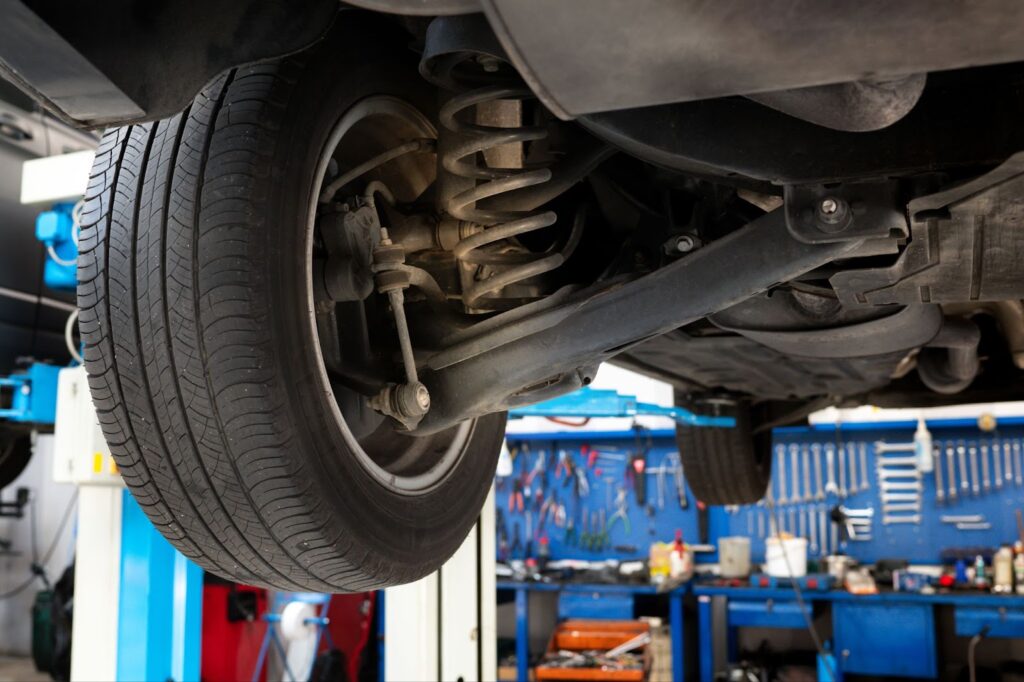
Car suspension keeps your ride smooth and safe. Many parts work together to absorb shocks and maintain control. Each part has a different price range. Knowing these costs helps you plan for repairs or upgrades.
Shock Absorbers
Shock absorbers control the bounce of your car. They wear out over time. Prices range from $50 to $150 each. High-end models cost more. Labor can add $100 to $200 for installation.
Struts
Struts support the vehicle and absorb shocks. They combine a spring and shock absorber. Struts cost between $100 and $300 each. Installation usually costs $150 to $250. Replacing both sides is common.
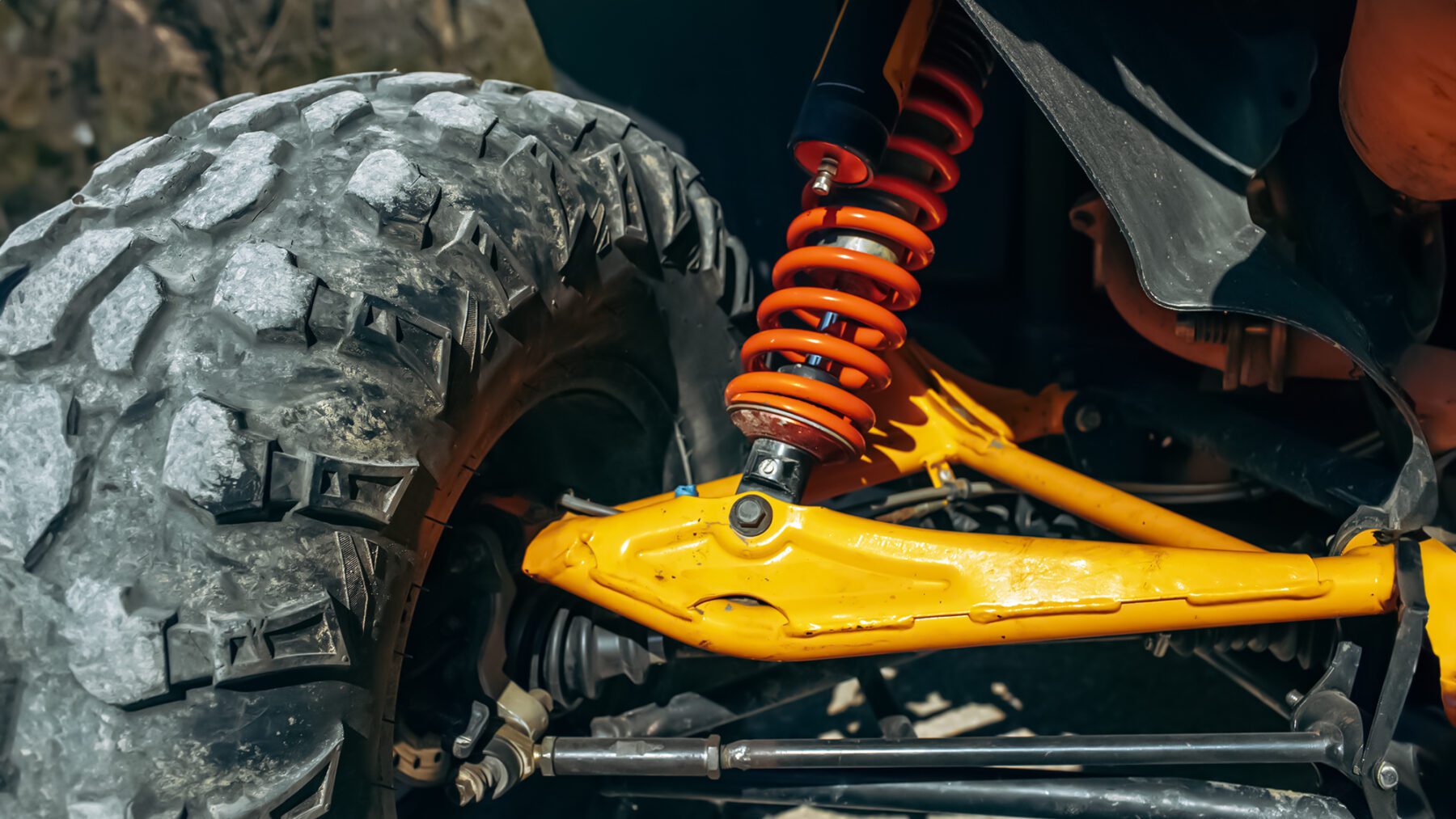
Control Arms
Control arms connect the wheels to the car frame. They allow smooth movement and stability. Prices vary from $80 to $200 each. Labor may add $150 to $300. Both sides often need replacement.
Springs
Springs bear the car’s weight and absorb bumps. They include coil and leaf springs. Costs range from $50 to $200 per spring. Labor charges can be $100 to $200. Some cars need full spring sets.
Bushings And Ball Joints
Bushings cushion parts and reduce vibration. Ball joints allow wheel movement. Bushings cost $10 to $50 each. Ball joints range from $20 to $100. Labor for both can be $100 to $250.
Cost Breakdown By Suspension Type
Car suspension cost varies by the type of suspension system. Each suspension type has different parts and labor needs. These differences affect the total price you pay. Understanding the cost breakdown helps you plan your budget better. Here is a detailed cost guide by suspension type.
Coil Spring Suspension
Coil spring suspension is common in many cars. It uses metal springs to absorb shocks. The cost to replace coil springs ranges from $200 to $400. Labor fees add about $100 to $200. Overall, expect to pay between $300 and $600. This system is affordable and reliable.
Air Suspension
Air suspension uses air bags instead of metal springs. It offers a smooth and adjustable ride. Repair or replacement costs are higher. Parts can cost $500 to $1,500 or more. Labor fees often run from $200 to $400. Total price ranges between $700 and $1,900. Air suspension suits luxury vehicles mostly.
Leaf Spring Suspension
Leaf spring suspension is common in trucks and SUVs. It uses long, curved metal strips to support weight. Costs for leaf spring replacement range from $300 to $800. Labor may add another $150 to $300. Total costs usually fall between $450 and $1,100. This system is strong and durable.
Hydraulic Suspension
Hydraulic suspension uses fluid pressure to control shocks. It provides a very smooth ride and adjusts easily. Parts can be expensive, costing $1,000 to $3,000. Labor costs are usually $300 to $600. Expect total costs from $1,300 to $3,600. Hydraulic systems are found in high-end cars.
Credit: heartautocare.com
Signs You Need Suspension Repair Or Replacement
Suspension problems affect your car’s safety and comfort. Detecting issues early helps avoid costly repairs later. Watch for clear signs showing your suspension needs repair or replacement. These signs warn that your car’s suspension is not working well.
Uneven Tire Wear
Tires wear unevenly when suspension parts fail. One tire may look more worn than others. This happens because the suspension does not hold the car evenly. Uneven tire wear reduces tire life and can cause poor handling.
Poor Ride Quality
Your car should feel smooth on the road. A bad suspension makes the ride bumpy and rough. You may feel every bump and pothole more than before. Poor ride quality means suspension parts like shocks or struts are worn out.
Noises And Vibrations
Strange noises signal suspension trouble. Listen for clunks, squeaks, or rattles when driving. Vibrations through the steering wheel or car body also indicate problems. These sounds come from loose or damaged suspension components.
Vehicle Sagging
Check if your car leans to one side. Sagging happens when springs or shocks weaken. A sagging vehicle rides lower and unevenly. This condition affects control and causes further suspension damage.
Diy Vs Professional Suspension Work
Deciding between DIY and professional suspension work depends on your skills, tools, and budget. Suspension repair is important for your car’s safety and comfort. Choosing the right option can save money and avoid problems.
Pros And Cons Of Diy
Doing suspension work yourself can save labor costs. You get to learn more about your car. You can work at your own pace. But, it needs special tools and knowledge. Mistakes can cause damage or unsafe driving. It takes time and patience. Not all suspension jobs are easy.
When To Hire A Mechanic
Hire a mechanic if you lack experience or tools. Complex suspension issues require professional skills. Mechanics diagnose problems accurately. They use proper equipment to fix your car safely. Professional work comes with warranties. This reduces the risk of future issues. Choose a mechanic for major repairs or upgrades.
Cost Savings And Risks
DIY saves money on labor but can risk errors. Wrong installation may lead to costly repairs later. Professional work costs more upfront but ensures safety. It avoids damage and saves time. Consider your budget and skill level carefully. Sometimes spending more now prevents bigger expenses later.
Ways To Save On Suspension Repairs
Suspension repairs can be costly, but there are ways to save money. Knowing smart tips helps reduce expenses. You can keep your car safe without spending too much. Here are some simple ways to save on suspension repairs.
Shop Around For Quotes
Getting different quotes helps find the best price. Not all shops charge the same for repairs. Call several mechanics or visit online to compare costs. Ask for a detailed estimate to avoid surprises. Choose a shop with good reviews and fair prices.
Use Aftermarket Or Rebuilt Parts
Aftermarket parts cost less than brand-new ones. They work just as well for most cars. Rebuilt parts are repaired and tested to ensure quality. These options can cut your repair bill in half. Check with your mechanic if these parts suit your car.
Regular Maintenance Tips
Taking care of your suspension prevents big repairs. Check shocks and struts for wear often. Avoid driving on rough roads or potholes. Keep tires properly inflated to reduce stress on suspension. Clean parts to stop rust and damage early.
Suspension Upgrade Costs
Upgrading your car’s suspension can improve driving comfort and control. Costs vary widely based on the parts and labor involved. Choosing the right upgrade depends on your budget and what you want to achieve with your vehicle.
Some upgrades focus on performance, while others offer adjustability or custom designs. Knowing the price range helps you plan better for your project.
Performance Suspension Kits
Performance suspension kits include springs, shocks, and struts designed to enhance handling. Prices usually range from $500 to $2,000. Kits for sports cars or trucks often cost more. Installation fees depend on the vehicle and shop rates.
Adjustable And Custom Options
Adjustable suspensions let you change ride height and stiffness. These options cost between $1,000 and $3,500. Custom setups are made for specific needs and can exceed $4,000. Labor for these can be higher due to complex installation.
Impact On Vehicle Handling
Upgraded suspension improves grip and cornering ability. It reduces body roll and enhances stability. Adjustable systems allow changes for different road conditions. Better handling can make driving safer and more enjoyable.
Credit: status-automotive.com

Credit: www.shocksurplus.com
Frequently Asked Questions
How Much Does A Full Car Suspension Replacement Cost?
A full car suspension replacement typically costs between $800 and $2,500. The price depends on the vehicle model, parts quality, and labor charges. Luxury or off-road vehicles usually have higher costs. Always get a detailed estimate before service to avoid surprises.
What Factors Affect Car Suspension Repair Costs?
Car suspension repair costs vary due to parts needed, labor rates, and vehicle type. Worn shocks, struts, or springs increase expenses. Labor time depends on repair complexity. Using OEM or aftermarket parts also impacts the final cost.
Can I Replace Car Suspension Parts Myself?
Yes, if you have mechanical skills and proper tools, DIY suspension replacement is possible. However, suspension work requires safety precautions and precision. Incorrect installation can cause handling issues. Consider professional help if unsure to ensure vehicle safety.
How Long Does Suspension Repair Usually Take?
Suspension repairs generally take 2 to 4 hours. The duration depends on the damage extent and parts availability. Complex repairs or full replacements may require more time. Scheduling an appointment with your mechanic helps reduce wait time.
Conclusion
Car suspension costs vary based on parts and labor. Basic repairs cost less, while full replacements are pricier. Quality parts can last longer and save money over time. Regular checks help spot issues early and avoid big expenses. Choose trusted mechanics to ensure good service and fair prices.
Knowing costs helps plan your budget better. Keep your car safe and smooth by maintaining its suspension well. Simple steps can prevent costly repairs later.