

When your car’s brakes start to feel less responsive or you hear strange noises, it’s time to think about replacing your brake rotors and calipers. But how much will that actually cost you?
Knowing the price upfront helps you avoid surprises and plan your budget better. You’ll discover the real costs behind new brake rotors and calipers, what affects those prices, and tips to get the best value. Keep reading to make sure you’re fully prepared before you hit the repair shop.
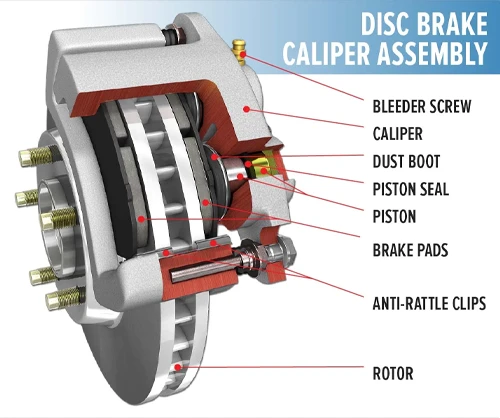
Credit: www.lesschwab.com
Brake System Components
The brake system is a key part of any vehicle. It helps stop the car safely and quickly. Understanding its main parts can help you know why repairs cost what they do. Two important parts are the rotors and the calipers. Both work together to slow down and stop your vehicle.
Each part has a special job. Knowing their roles can help you see why new brakes, rotors, and calipers might be necessary. These parts wear out over time and need replacing to keep your car safe.
Role Of Rotors
Rotors are round discs attached to the wheels. When you press the brake pedal, the rotors slow the wheel’s spin. They do this by working with the brake pads. The pads press against the rotors, creating friction. This friction stops the car.
Rotors must be strong and smooth. If they get worn or warped, the car may shake or stop poorly. New rotors improve braking and safety. They help the brakes work quietly and smoothly.
Function Of Calipers
Calipers hold the brake pads. They squeeze the pads against the rotors to stop the car. Calipers use hydraulic pressure from the brake fluid to work.
Good calipers apply even pressure to both sides of the rotor. This helps the car stop straight and fast. Worn or stuck calipers can cause uneven brake wear. Replacing calipers ensures reliable braking performance.
Factors Affecting Brake Repair Costs
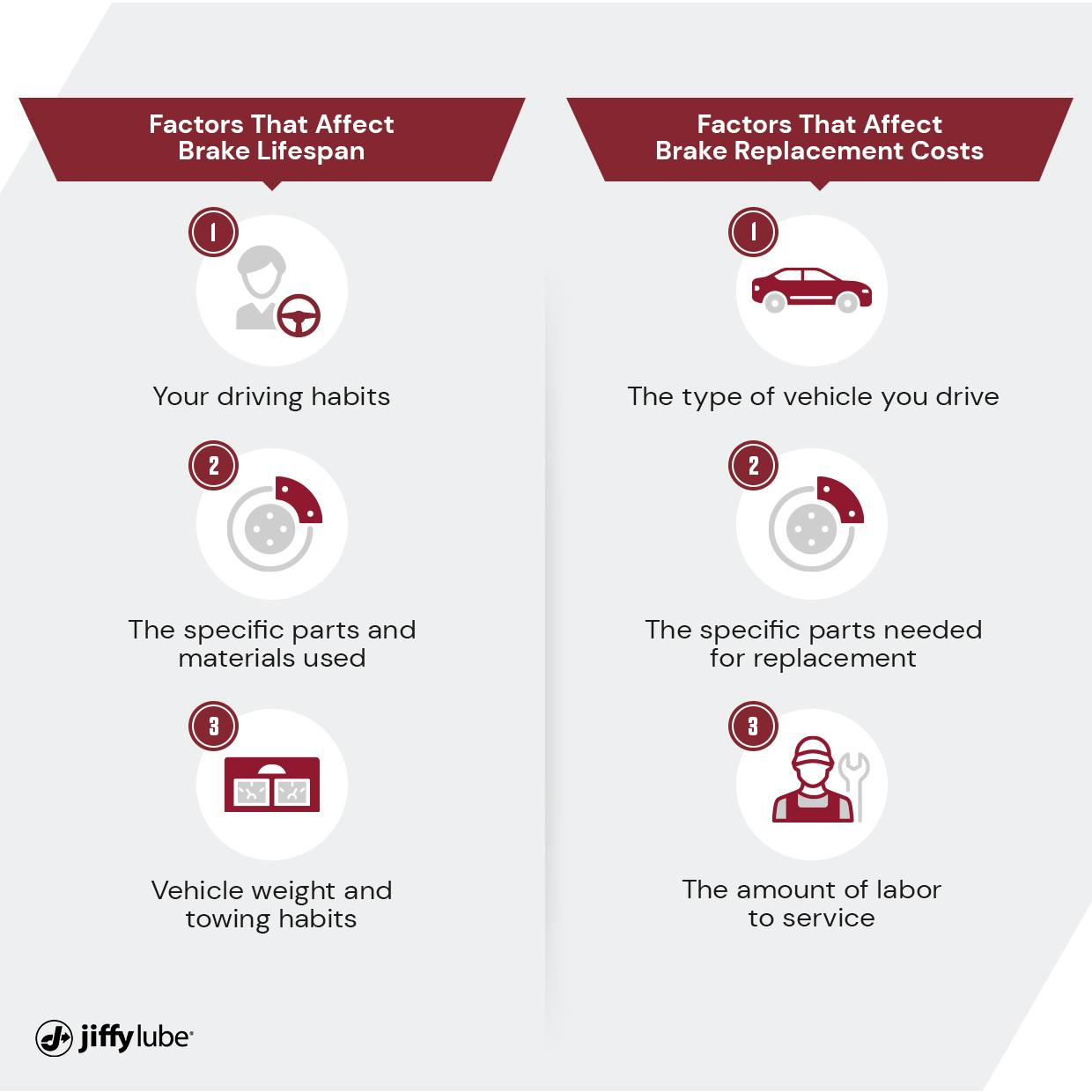
Brake repair costs vary widely due to several key factors. Understanding these elements helps you prepare for the expense. Each factor affects the final bill differently. Knowing what influences costs can save you money and stress.
Vehicle Make And Model
Different cars need different brake parts. Luxury and imported cars often have higher prices. Some models use special components that cost more. Common cars usually have cheaper parts and services. The complexity of the brake system also matters.
Quality Of Replacement Parts
You can choose between original parts and aftermarket ones. Original parts cost more but fit perfectly and last longer. Aftermarket parts are less expensive but may wear out faster. Some brands offer budget-friendly options without losing quality. The part type affects both price and safety.
Labor Charges
Labor costs depend on the mechanic’s skill and location. Dealerships usually charge more than independent shops. The time needed to replace rotors and calipers varies by vehicle. More complex jobs take longer, increasing labor fees. Always ask for a clear labor estimate before work starts.
Average Prices For New Rotors
Understanding the average prices for new rotors helps plan your car maintenance budget. Rotors wear out over time and need replacement to keep brakes working well. Prices vary based on type and quality of the rotor. Knowing cost ranges makes it easier to choose the right part for your vehicle.
Standard Rotors
Standard rotors are common in most cars. They offer good performance for daily driving. The price usually ranges from $30 to $75 per rotor. These rotors are made from cast iron and work well under normal conditions. They last long and are affordable for most drivers.
Performance Rotors
Performance rotors suit sporty or heavy-duty vehicles. They handle more heat and stress during braking. These rotors cost between $80 and $150 each. Often, they have special designs like slots or holes to improve cooling. Performance rotors help improve stopping power and reduce brake fade.

Credit: www.auto-repair-help.com
Cost Breakdown For Calipers
Calipers play a key role in your car’s braking system. They press the brake pads against the rotors to slow your vehicle. Understanding the cost of calipers helps you plan your brake repair budget. Different types and brands affect the price. This section breaks down these costs for you.
Single-piston Vs Multi-piston Calipers
Single-piston calipers have one piston to push the brake pads. They are common in smaller cars and cost less. Prices usually range from $40 to $100 per caliper.
Multi-piston calipers have two or more pistons. They provide stronger and smoother braking. These are found in sports cars and trucks. They cost more, often between $100 and $300 each.
Oem Vs Aftermarket Options
OEM calipers come from the car’s original manufacturer. They match the exact parts used in your vehicle. OEM parts usually cost more, around $150 to $300 per caliper.
Aftermarket calipers are made by third-party companies. They often cost less and can fit many car models. Prices range from $50 to $200 per caliper.
Additional Expenses To Consider
Replacing brake rotors and calipers often involves costs beyond just the parts. These extra expenses can impact the total price of your brake repair. Understanding these helps you prepare better for the final bill.
Brake Pads Replacement
Brake pads wear out faster than rotors and calipers. Most mechanics replace them along with new rotors and calipers. This ensures proper braking performance and safety. Expect to pay extra for brake pads and labor. Skipping this step can cause uneven wear and reduce brake life.
Brake Fluid And Other Supplies
Brake fluid is essential for hydraulic brakes to work correctly. Replacing rotors and calipers usually requires a brake fluid flush or top-up. Other small supplies may include brake cleaner, grease, and new hardware clips. These items add small costs but are necessary for a quality job.
Diy Vs Professional Installation
Deciding between doing brake rotor and caliper replacement yourself or hiring a professional can be tough. Both options have clear benefits and some risks. Understanding these can help you make a smart choice for your car and budget.
Benefits Of Diy
Doing the brake job yourself saves money on labor fees. You control the timing and work at your own pace. It teaches valuable car repair skills. Many find satisfaction in fixing their own vehicle. You can choose parts that fit your needs and budget. DIY also allows you to inspect other brake components closely.
Risks And Challenges
Brake work requires care and precision. Mistakes can lead to brake failure and accidents. You need proper tools and a safe workspace. Lack of experience might cause damage to parts. Some brake systems are complex and hard to access. Time spent fixing errors can outweigh initial savings.
When To Hire A Mechanic
Choose a mechanic if you lack tools or knowledge. Professionals handle complex or modern brake systems well. They ensure parts fit and work correctly. A mechanic offers warranties and quality assurance. If you notice unusual brake noise or feel unsure, seek help. Quick, safe brake repair is vital for driving safety.
Tips To Save On Brake Repairs
Brake repairs can be costly, but there are ways to lower the price. Saving money on new brakes, rotors, and calipers requires smart choices. Small actions help keep your vehicle safe without spending too much.
Understanding simple tips can reduce repair costs and extend the life of your brakes. These tips focus on choosing parts wisely and maintaining your brakes regularly.
Shopping Around For Parts
Check prices from different sellers before buying brake parts. Compare costs of rotors, calipers, and brake pads from online stores and local shops. Sometimes, aftermarket parts cost less and work well.
Buy parts that match your vehicle’s make and model for safety. Avoid the cheapest parts; quality matters for braking performance and durability. Ask for advice from mechanics or trusted sources to find the best value.
Regular Maintenance Practices
Keep brakes clean and check them often to spot problems early. Replace brake pads before they wear down fully to protect rotors. Regular inspections save money by preventing bigger repairs later.
Use your brakes gently and avoid sudden stops to reduce wear. Schedule routine service checks with a mechanic to catch issues early. Proper maintenance keeps your brakes working well and lasts longer.
Credit: www.jiffylube.com
Frequently Asked Questions
How Much Do New Brake Rotors Cost?
New brake rotors typically cost between $30 and $75 each. Prices vary by vehicle make and quality. Labor charges add to the total cost.
What Is The Price For New Brake Calipers?
New brake calipers usually range from $50 to $150 per caliper. High-performance or luxury models cost more. Installation fees are extra.
How Much Does Labor Cost For Brake Replacement?
Labor costs for replacing rotors and calipers average $100 to $200. Prices depend on shop rates and vehicle complexity. Always get a detailed estimate.
Can I Replace Brake Rotors And Calipers Myself?
Yes, but it requires mechanical skills and proper tools. Incorrect installation risks safety. Consider professional service if unsure about the process.
Conclusion
Replacing brake rotors and calipers costs vary by car type and part quality. Choosing good parts helps keep your car safe and stops working well. Labor charges differ depending on the mechanic or shop you visit. Regular brake checks save money and avoid bigger problems later.
Knowing these costs helps you plan and avoid surprises. Keep your brakes in good shape for safe driving every day. Simple care can extend the life of your brakes. Don’t wait until brakes feel weak or noisy. Taking action soon protects you and others on the road.


