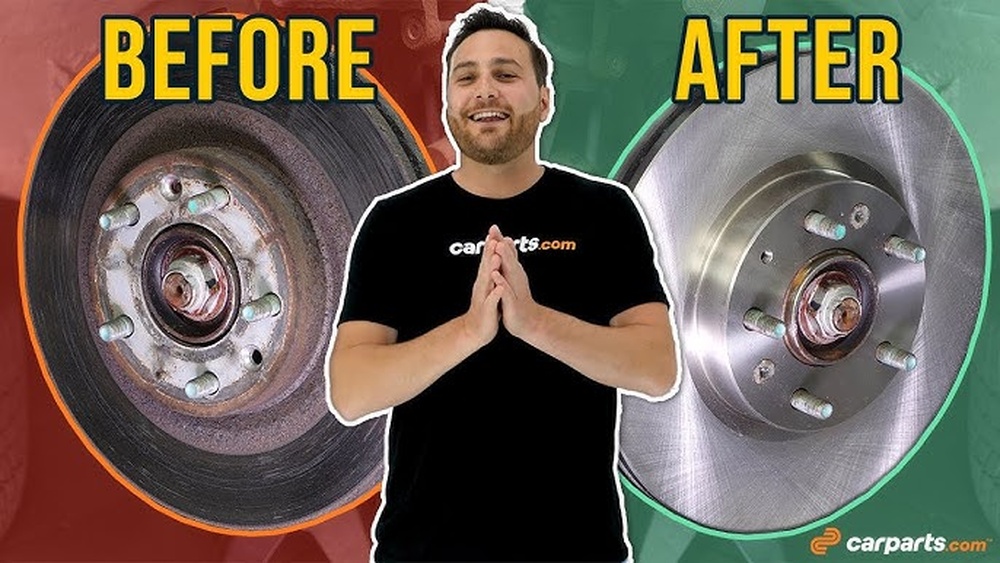
Have you ever felt your steering wheel shake or noticed a strange vibration when you hit the brakes? That unsettling wobble might be a sign that your brake rotor is warped.
Understanding how a brake rotor warps can save you from costly repairs and keep you safe on the road. You’ll discover the key reasons behind rotor warping and how it affects your vehicle’s braking performance. Keep reading to learn what causes this common issue and how you can spot it before it becomes a serious problem.
Credit: www.bcautocenter.com
What Causes Brake Rotors To Warp
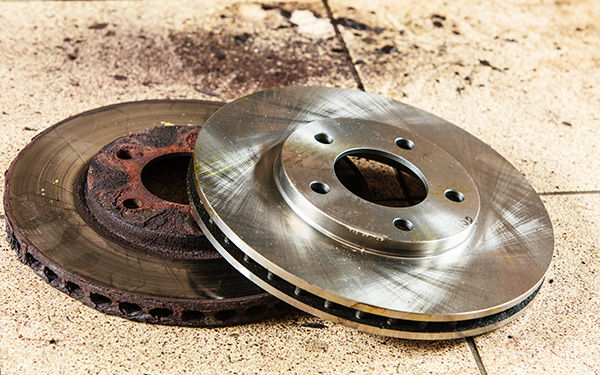
Brake rotors can warp for several reasons. Warping means the rotor surface becomes uneven. This causes vibrations and reduces braking power. Understanding what causes brake rotors to warp helps prevent damage and costly repairs.
Heat And Thermal Stress
Heat is the main cause of rotor warping. Brakes generate heat from friction. High heat causes the metal to expand unevenly. Rapid cooling can also create stress. This constant heating and cooling cycle deforms the rotor.
Improper Installation
Incorrect installation can lead to warping. If the rotor is not mounted tightly, it moves during braking. Uneven tightening of bolts causes uneven pressure. This uneven force bends the rotor surface over time.
Worn Brake Pads
Old or worn brake pads create uneven pressure. This pressure wears down the rotor unevenly. Uneven wear increases the chance of warping. Replacing brake pads on time helps keep rotors smooth.
Driving Habits
Hard braking puts extra stress on rotors. Frequent sudden stops cause heat buildup. Riding brakes or holding the brake pedal also heats rotors. Smooth and gentle braking reduces warping risk.
Poor Quality Rotors
Cheap rotors often use low-quality metal. These rotors cannot handle heat well. They warp more easily under stress. Choosing good quality rotors extends brake life and safety.

Credit: www.youtube.com
Common Signs Of Warped Brake Rotors
Warped brake rotors affect your car’s stopping power. Early detection helps keep driving safe. Watch for these common signs to know if your rotors need attention.
Vibrations While Braking
Feel a shaking in the steering wheel or brake pedal? Warped rotors cause uneven contact with brake pads. This leads to vibrations that increase with speed. The shaking often gets worse during hard braking.
Pulsating Brake Pedal
Your brake pedal may pulse or throb when pressed. This happens because the rotor surface is uneven. The pedal movement feels like a quick push and release. It can make braking less smooth and less controlled.
Uneven Brake Pad Wear
Check your brake pads for uneven wear patterns. Warped rotors cause pads to wear more on some parts. This reduces brake efficiency and shortens pad life. Uneven wear means the rotors are not flat.
Noise During Braking
Listen for squealing, grinding, or scraping sounds while braking. Warped rotors can cause noisy friction with brake pads. The noise often changes with speed or brake pressure. Strange sounds may point to rotor damage.
Diagnosing Warped Rotors
Diagnosing warped rotors is key to keeping your brakes safe and effective. Warped rotors cause vibrations and uneven braking. Finding the problem early stops bigger damage and costly repairs.
There are a few ways to check for warped rotors. Some are simple and quick. Others need special tools. Each method helps confirm if your rotors need fixing or replacing.
Visual Inspection
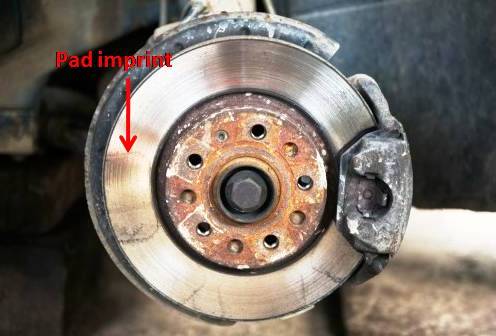
Start with a close look at the rotor surface. Look for cracks, grooves, or shiny spots. These signs show uneven wear or heat damage. Warped rotors often have visible warping or discoloration. Check the rotor edges for rust or rough spots too. This quick check gives a good first idea of rotor health.
Measuring Rotor Thickness
Use a micrometer to measure rotor thickness at several points. Rotors wear thinner over time. Uneven thickness means the rotor is warped or damaged. Compare measurements to the minimum thickness listed by the manufacturer. Thin or uneven rotors need replacement. This step helps confirm problems not visible to the eye.
Using A Dial Indicator
A dial indicator measures rotor runout, or how much the rotor wobbles. Attach it to the rotor surface. Rotate the wheel slowly and watch the dial for movement. Excessive runout means the rotor is warped. This tool gives a precise reading of rotor condition. It’s the best way to detect small warps that cause brake vibrations.
Easy Fixes For Warped Rotors
Warped brake rotors cause vibrations and reduce braking power. Fixing them quickly ensures safety and smooth rides. Several simple methods can restore your rotors and improve brake performance.
Resurfacing The Rotors
Resurfacing smooths the rotor’s surface by removing thin layers of metal. This process corrects minor warping and unevenness. It is cost-effective and extends rotor life. Not suitable for rotors with deep damage or thin metal.
Replacing The Rotors
Replacing rotors is the best option if they are severely warped. New rotors restore full braking efficiency and safety. Choose quality parts to avoid frequent issues. It takes more time but guarantees long-term results.
Upgrading Brake Components
Upgrading pads and rotors together improves brake response and durability. High-performance parts handle heat better and resist warping. This upgrade suits drivers facing frequent heavy braking. Helps maintain smooth stopping and reduces rotor damage.
Adjusting Driving Techniques
Gentle braking reduces rotor heat and warping risk. Avoid sudden stops and long brake holds. Use engine braking on slopes to ease rotor stress. Smooth driving habits extend rotor life and improve safety.
Preventing Rotor Warping
Preventing brake rotor warping is key to safe and smooth driving. Warped rotors cause vibrations and reduce braking power. Taking simple steps helps keep rotors in good shape. These steps protect your brakes and extend their life.
Regular Maintenance
Check your brakes often. Look for signs of wear or damage. Replace worn brake pads on time. Clean rotors to remove dirt and dust. Proper maintenance stops damage before it starts.
Avoiding Overheating
Brake rotors warp mainly from heat. Avoid hard, continuous braking. Use engine braking on long downhill drives. Give brakes time to cool after heavy use. Cooler rotors last longer and work better.
Choosing Quality Parts
Use good quality rotors and pads. Cheap parts wear out fast and cause heat. High-quality parts fit better and last longer. Investing in quality prevents warping and improves safety.
Credit: trade.mechanic.com.au
Frequently Asked Questions
What Causes Brake Rotors To Warp?
Brake rotors warp mainly due to excessive heat buildup. Rapid cooling, hard braking, and uneven pad contact also contribute. These factors cause the rotor metal to expand and contract unevenly, leading to warping over time.
How Can I Tell If My Brake Rotor Is Warped?
Common signs include a vibrating steering wheel, pulsating brake pedal, and unusual noise when braking. Warped rotors cause uneven braking, which you can feel during stops or slow speeds.
Can Warped Brake Rotors Be Repaired Or Replaced?
Minor warping can sometimes be fixed by resurfacing the rotor. However, severe warping usually requires full rotor replacement to ensure safe and effective braking performance.
How Does Driving Style Affect Brake Rotor Warping?
Aggressive braking and frequent hard stops increase rotor heat quickly. This accelerates warping risk. Smooth and gradual braking helps maintain rotor integrity and prolongs its lifespan.
Conclusion
Brake rotors warp mainly due to heat and stress. Uneven braking or worn parts increase the risk. Warped rotors can cause vibrations and reduce safety. Regular maintenance helps spot problems early. Keep rotors clean and check pads often. Drive smoothly to avoid sudden stops and heat.
Taking care of brakes keeps your vehicle safe. Understanding rotor warping helps you prevent costly repairs. Stay alert to signs of brake trouble. Safe driving depends on well-maintained brake parts.