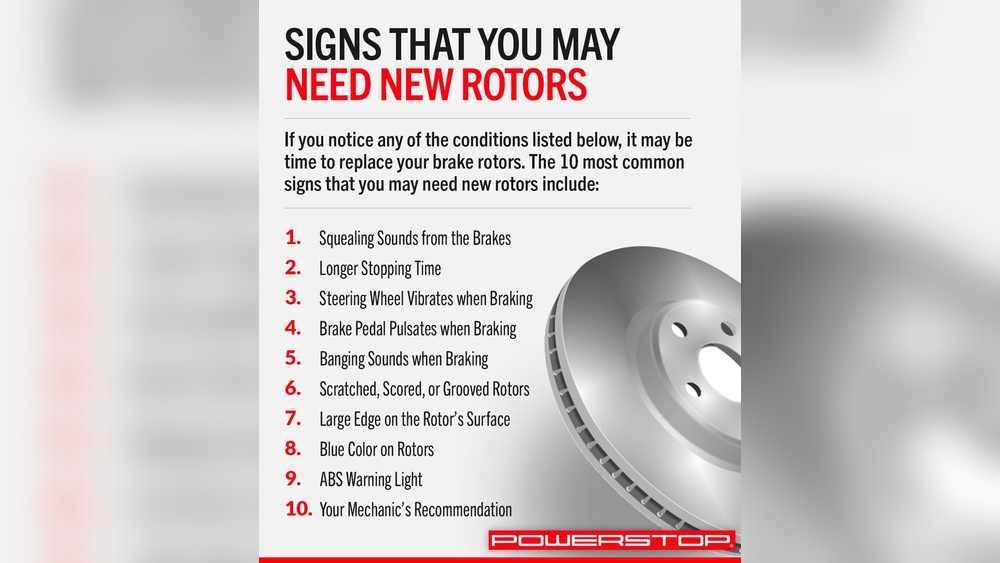
Are you hearing strange noises when you brake or feeling vibrations through your steering wheel? These could be signs that your brake rotors need changing.
Knowing how to change a brake rotor yourself can save you time and money while keeping your car safe on the road. In this guide, you’ll discover simple, step-by-step instructions that anyone can follow—even if you’re not a car expert.
By the end, you’ll have the confidence to tackle this important repair and keep your brakes working like new. Ready to get started? Let’s dive in.
Tools And Materials Needed
Changing a brake rotor needs specific tools and materials. Having the right items makes the job easier and safer. Prepare all tools before starting. This prevents delays and frustration during the process.
Essential Tools
Gather these tools before you begin. A jack and jack stands lift and hold the car safely. A lug wrench removes the wheel nuts. A socket set helps remove bolts holding the rotor. A screwdriver or pry bar can separate stuck parts. A rubber mallet taps the rotor loose without damage. A torque wrench tightens bolts to the right strength.
Replacement Parts
Choose the correct brake rotor for your vehicle model. New brake pads often come with rotors. Replace pads to ensure even wear and good braking. Keep extra bolts and clips ready, as old ones may break. Use brake cleaner to remove dirt and oil from parts. High-quality materials improve safety and last longer.
Safety Gear
Wear gloves to protect your hands from sharp edges. Safety glasses shield your eyes from dust and debris. Use a dust mask to avoid breathing brake dust. Wear closed shoes to protect your feet. Keep a fire extinguisher nearby for emergencies. Safety gear reduces injury risks during the job.
Preparing Your Vehicle
Preparing your vehicle is the first step to change a brake rotor safely. This part is important to avoid accidents and make the process easier. You need to work on a flat surface and make sure the car won’t move. Follow these steps carefully to get ready.
Parking And Securing
Park your car on a flat, stable surface. Avoid slopes or soft ground. Turn off the engine and pull the parking brake. Place wheel chocks behind the wheels that will stay on the ground. This stops the car from rolling while you work.
Loosening Lug Nuts
Before lifting the car, loosen the lug nuts on the wheel. Use a lug wrench or a breaker bar for better grip. Turn the nuts counterclockwise. Do not remove them completely yet. Just loosen enough to make removal easier later.
Lifting The Car Safely
Use a jack to lift the car. Find the correct jacking point under the vehicle. Check the owner’s manual for the exact spot. Place the jack securely and lift the car until the wheel is off the ground. Use jack stands to support the car. Never rely only on the jack. Safety first!
Removing The Old Brake Rotor
Removing the old brake rotor is an important step in brake maintenance. It helps keep your vehicle safe and running well. This process needs care and the right tools. Follow these steps to remove the old rotor safely and easily.
Start by preparing your workspace. Make sure the car is on a flat surface and secure. Use a jack and stands to lift and support the vehicle properly.
Taking Off The Wheel
Loosen the lug nuts before lifting the car. Use a tire iron or impact wrench to turn them counterclockwise. Lift the car with a jack and place it on stands. Remove the lug nuts completely and take off the wheel. Set the wheel aside safely.
Removing The Brake Caliper
Locate the brake caliper attached over the rotor. Find the bolts holding the caliper in place. Use a socket wrench to remove these bolts. Carefully slide the caliper away from the rotor. Support the caliper to avoid strain on the brake hose.
Detaching The Caliper Bracket
Find the caliper bracket that holds the rotor. Use the correct tool to remove the bracket bolts. Take off the bracket and keep the bolts safe. This step frees the rotor for removal.
Removing The Rotor
Check if the rotor is held by screws or rusted in place. Remove any screws with a screwdriver. Tap the rotor gently with a rubber mallet if it is stuck. Pull the rotor straight off the hub. Clean the hub surface before installing a new rotor.

Credit: www.youtube.com
Installing The New Brake Rotor
Installing the new brake rotor is a key step in brake maintenance. It ensures your vehicle stops safely and smoothly. Take your time and follow each step carefully. Cleanliness and proper alignment are very important during installation.
Cleaning The Rotor
Start by cleaning the new rotor. Use brake cleaner spray to remove any oil or residue. Wipe it with a clean cloth. Dirt or grease can reduce braking performance. Make sure the rotor surface is spotless before installation.
Positioning The New Rotor
Place the rotor onto the wheel hub. Align it with the bolt holes. It should sit flat against the hub. Do not force it in place. Check that it spins freely and without wobble.
Reattaching The Caliper Bracket
Put the caliper bracket back over the rotor. Line up the bolt holes on the bracket and hub. Tighten the bolts securely with a wrench. This keeps the rotor stable during braking. Tighten bolts to the manufacturer’s recommended torque.
Reinstalling The Brake Caliper
Slide the brake caliper over the rotor and bracket. Ensure the brake pads fit correctly around the rotor. Push the caliper until it sits flush. Reattach the caliper bolts and tighten firmly. Check the caliper moves smoothly without sticking.
Finishing Up
Finishing up the brake rotor change is important for safety and proper vehicle function. Each step must be done carefully to avoid problems later. This section guides you through the final actions before you hit the road.
Reinstalling The Wheel
Place the wheel back onto the hub. Align the holes with the wheel studs. Push the wheel firmly until it sits flush against the rotor. Hand-tighten the lug nuts to hold the wheel in place.
Lowering The Vehicle
Use the jack to slowly lower the vehicle until the wheel touches the ground. Remove the jack once the car is fully lowered. Keep the wheel stable on the ground for the next step.
Tightening Lug Nuts
Use a lug wrench to tighten the lug nuts in a star pattern. This ensures even pressure on the wheel. Tighten each nut firmly but do not overtighten. Check all nuts twice for safety.
Testing The Brakes
Start the car and press the brake pedal gently. Feel for firmness and responsiveness. Test the brakes at low speed in a safe area. Listen for unusual noises or vibrations. Confirm the brakes work properly before driving normally.

Credit: vatire.com
Troubleshooting Common Issues
Troubleshooting common issues after changing brake rotors helps keep your car safe. Some problems can appear even after a proper installation. Identifying these problems early saves time and money.
Knowing what causes brake noise, vibration, and uneven wear helps fix them fast. These issues affect how well your brakes work and your driving comfort.
Brake Noise
Brake noise often means dirt or rust on the rotor. Clean the rotor surface before installation. Check brake pads for wear or damage. Sometimes, loose parts cause noise. Tighten all bolts firmly. Use anti-squeal lubricant on the back of brake pads.
Vibration Problems
Vibration usually happens if the rotor is warped. Warped rotors cause shaking when braking. Use a dial indicator to check rotor runout. Replace or resurface rotors if needed. Also, make sure lug nuts are tightened in the right order and torque. Uneven tightening can cause rotor wobble.
Uneven Brake Wear
Uneven brake wear means pads or rotors are not aligned. Check caliper pins and slides for smooth movement. Stuck calipers can cause uneven pressure. Replace worn brake pads with good quality ones. Inspect brake fluid and bleeding system. Air in the brake lines can reduce braking force.

Credit: www.wikihow.com
Frequently Asked Questions
How Often Should You Change Brake Rotors?
Brake rotors typically last 30,000 to 70,000 miles. Replace them if warped, cracked, or below minimum thickness. Regular inspection ensures optimal braking performance and safety.
What Tools Are Needed To Change Brake Rotors?
You need a jack, lug wrench, socket set, brake cleaner, and a C-clamp. Also, wear safety gloves and goggles. These tools help safely remove and install rotors.
Can I Change Brake Rotors Myself Safely?
Yes, with basic mechanical skills and the right tools. Follow step-by-step instructions carefully. Ensure the vehicle is securely lifted and work in a safe environment.
How To Know If Brake Rotors Need Replacement?
Signs include vibration when braking, squealing noises, or visible grooves on rotors. Also, check rotor thickness with a micrometer. Any damage affects braking efficiency and safety.
Conclusion
Changing a brake rotor can seem hard at first. Step-by-step work makes it easier and safer. Take your time and follow each step closely. Use the right tools and check everything twice. Good brakes keep you safe on the road.
Regular maintenance helps your car last longer. Now, you know how to change a brake rotor yourself. Drive carefully and keep your brakes in top shape.