
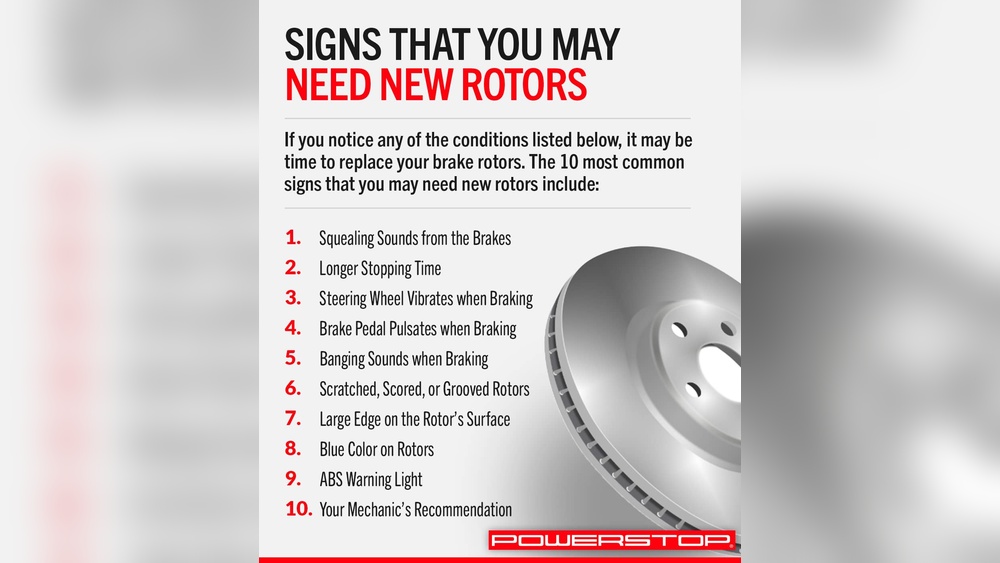
Your brakes are one of the most important parts of your car. Knowing when your brake rotors need replacing can save you from costly repairs and keep you safe on the road.
But how do you tell if your rotors are worn out or damaged? If you’ve been wondering about strange noises, vibrations, or changes in braking performance, you’re in the right place. This guide will help you spot the signs early and understand exactly when it’s time to replace your brake rotors.
Keep reading to protect yourself and your vehicle before small problems turn into big ones.
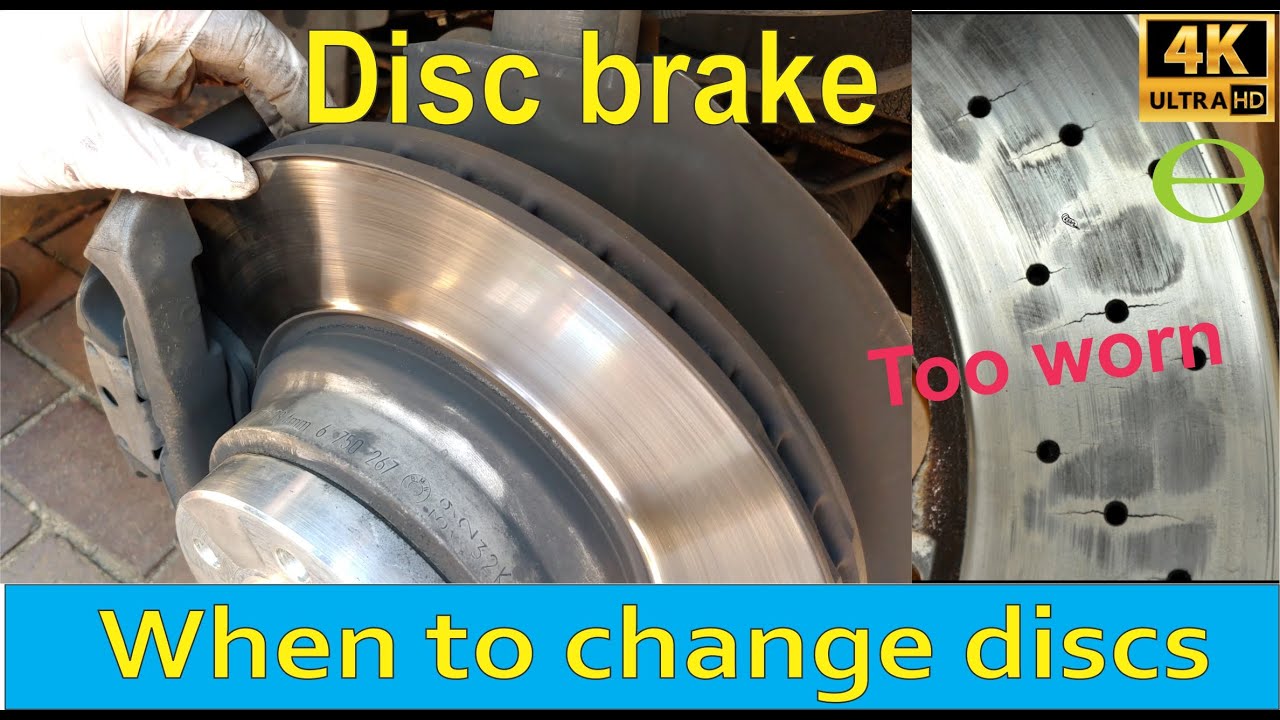
Credit: www.youtube.com
Common Brake Rotor Issues
Brake rotors are vital for your vehicle’s safety. They work with brake pads to stop your car. Over time, rotors can develop problems. These issues affect braking power and safety. Recognizing common rotor problems helps keep your brakes working well.
Warping And Its Effects
Warping happens when rotors heat unevenly. This causes them to bend slightly. Warped rotors make the brake pedal vibrate. You might feel shaking in the steering wheel. This reduces braking smoothness and control. Warped rotors need quick attention to avoid damage.
Cracks And Damage
Cracks form from heat and stress on rotors. Small cracks can grow larger over time. Damaged rotors can break during braking. This is dangerous and lowers brake power. Check rotors for cracks regularly. Replace any rotor showing visible damage.
Excessive Wear Patterns
Rotors wear down with use. Sometimes, wear is uneven or deep. Grooves, scoring, or thinning are signs of wear. These patterns reduce braking efficiency. Excessive wear can cause noise and poor stopping. Rotors with heavy wear should be replaced soon.
Signs Of Rotor Problems
Brake rotors are key parts of your car’s braking system. They work with brake pads to stop your vehicle safely. Knowing the signs of rotor problems can help you avoid accidents and costly repairs. Pay attention to these common signals that show your rotors may need replacing.
Vibrations During Braking
Feeling vibrations in the brake pedal or steering wheel is a clear sign. Warped rotors cause uneven contact with brake pads. This unevenness creates shaking or pulsing when you press the brake. Do not ignore this sensation. It means your rotors are worn or damaged.
Squealing Or Grinding Noises
Listen for strange sounds when braking. High-pitched squeals often mean worn brake pads, but they can also signal rotor issues. A grinding noise usually means the rotor surface is rough or scored. These sounds mean your brakes need inspection soon. Safe driving depends on smooth, quiet brakes.
Increased Stopping Distance
Notice if your car takes longer to stop. Damaged rotors reduce braking power. This makes your vehicle unsafe, especially in emergencies. Even a small increase in stopping distance is dangerous. Check your rotors if you feel this change. Better safe than sorry on the road.
Visual Inspection Tips
Visual inspection is a simple way to check your brake rotors. It helps spot problems early. You do not need special tools for a basic check. Just a good look can show signs of wear or damage.
Checking Rotor Thickness
Rotors get thinner as you use brakes. Thin rotors can cause poor braking. Use a micrometer or caliper to measure thickness. Compare the number to the minimum thickness in your car’s manual. If it is below, replace the rotors.
Identifying Surface Grooves
Grooves or deep scratches on the rotor surface are bad. They make the brakes less smooth and less effective. Run your hand gently over the rotor. Feel for rough areas or deep lines. If you find many grooves, the rotor needs attention.
Spotting Rust And Corrosion
Rust can weaken the rotor metal. Small rust spots are normal but large patches are not. Look for uneven rust or flaking on the rotor. Corrosion can cause noise and reduce braking power. Clean small rust patches with a wire brush. Replace rotors with heavy corrosion.
When To Replace Rotors
Brake rotors play a key role in stopping your vehicle safely. Over time, they wear out and need replacing. Knowing the right time to replace rotors helps avoid accidents and costly repairs.
Rotors can become thin, warped, or damaged. These problems reduce braking power and safety. Checking rotors regularly ensures your brakes work well.
Manufacturer Thickness Limits
Every rotor has a minimum thickness set by the manufacturer. This limit is the thinnest the rotor can be while still working safely. Mechanics measure rotor thickness with special tools. If the rotor is thinner than the limit, it needs replacement. Driving with thin rotors can cause brake failure.
Impact Of Rotor Damage On Safety
Damaged rotors affect how well your brakes work. Warped or cracked rotors cause vibrations and noise. They also increase stopping distance. This makes driving dangerous, especially in emergencies. Replace rotors with visible damage to keep safe on the road.
Timing With Brake Pad Replacement
Brake pads wear down faster if rotors are damaged. It is best to check rotors whenever you change brake pads. Sometimes both parts need replacing at the same time. This ensures smooth braking and extends the life of your brake system.
Maintenance To Extend Rotor Life
Maintaining your brake rotors helps them last longer and work better. Simple care steps can prevent early wear and costly repairs. Taking time for basic maintenance keeps your brakes safe and smooth.
Regular Brake System Checks
Check your brakes often to spot issues early. Look for uneven wear on rotors and pads. Listen for strange noises like squealing or grinding. Inspect brake fluid levels and top up if needed. Regular checks help catch problems before damage grows.
Avoiding Aggressive Braking
Brake gently to protect your rotors. Hard stops create heat and wear rotors fast. Smooth, steady braking spreads the force evenly. This reduces the chance of cracks and warping. Drive with care to keep brake parts healthy longer.
Proper Bedding-in Of New Pads
New brake pads need time to settle on rotors. Follow the bedding-in process to build a good contact surface. Avoid sudden stops during the first few miles. Use gradual braking to help pads and rotors align. This step improves brake performance and extends rotor life.

Credit: www.youtube.com
Credit: www.reddit.com
Frequently Asked Questions
How Do I Know If Brake Rotors Are Worn Out?
Brake rotors show signs like vibrations, squealing, or visible grooves. If braking feels uneven or noisy, inspect rotors for damage or thickness loss.
What Causes Brake Rotors To Warp Or Fail?
Brake rotors warp from excessive heat, hard braking, or poor maintenance. Overheating causes uneven surface wear and reduces braking performance.
How Often Should Brake Rotors Be Replaced?
Brake rotors typically last 30,000 to 70,000 miles. Replace them if damaged, warped, or below minimum thickness for safety.
Can I Drive With Damaged Brake Rotors?
Driving with damaged rotors is unsafe. It causes poor braking, vibrations, and increased stopping distance. Replace rotors promptly to avoid accidents.
Conclusion
Brake rotors wear down over time and affect your car’s safety. Listen for squealing or grinding sounds while braking. Feel for vibrations when pressing the brake pedal. Check for visible cracks or grooves on the rotors. Replacing worn rotors keeps your brakes working well.
Don’t wait until problems get worse or more costly. Regular inspections help catch issues early and save money. Keep your car safe by paying attention to these signs.
