Are your brakes making noise or feeling less responsive? You might be thinking it’s time to replace your brakes and rotors.
But before you schedule the repair, one important question likely crosses your mind: how much labor will this actually take? Knowing the labor involved helps you plan your time and budget better. You’ll discover exactly what to expect when replacing brakes and rotors, how labor costs are calculated, and tips to get the best value for your money.
Keep reading to make sure your car stays safe without any surprises on your bill.
Credit: www.aaa.com
Brake And Rotor Replacement Basics
Brakes and rotors work together to stop your vehicle safely. Over time, these parts wear out and need replacement. Knowing the basics helps you understand why and when to replace them. It also prepares you for the labor involved in the process.
Replacing brakes and rotors is a common car maintenance task. It keeps your vehicle running smoothly and protects you on the road. Understanding the signs and parts involved is important for every car owner.
Signs You Need Replacement
Listen for squealing or grinding noises when braking. These sounds often mean worn brake pads. Feeling a vibration or pulsing in the brake pedal can signal rotor issues. Notice if your car takes longer to stop. This delay shows brake parts may be failing. Visual checks can help too. Thin brake pads or grooved rotors need attention.
Parts Involved In The Process
The main parts replaced are brake pads and rotors. Brake pads press against the rotors to slow the car. Rotors are metal discs attached to wheels. Sometimes, calipers and brake hardware also need replacement. Calipers squeeze the brake pads onto the rotors. Brake fluid may be checked or changed during the service. Each part plays a key role in braking performance.
Labor Time For Brake Replacement
Knowing the labor time for brake replacement helps plan your car service better. It gives an idea of how long the mechanic will work on your vehicle. This time can vary based on many factors. Understanding these details makes the process clearer.
Standard Time Estimates
Replacing brakes and rotors usually takes about one to two hours. This estimate covers removing old parts and installing new ones. Mechanics follow this range for most cars. The time includes testing the brakes after replacement. Simple brake jobs stay close to this timeframe.
Factors Affecting Labor Duration
Several things can change how long brake work takes. The car model and brake system type matter a lot. Some cars need extra steps or tools. The mechanic’s experience affects speed and quality. Rust or stuck parts can slow down the process. Brake upgrades or extra repairs add time too.
Labor Time For Rotor Replacement
Labor time for rotor replacement varies by vehicle and condition. It involves removing the wheel, brake caliper, and old rotor. Then, the new rotor is installed and reassembled. Understanding labor time helps plan costs and schedule repairs.
Typical Time Requirements
Most brake rotor replacements take about one to two hours. A skilled mechanic can complete the job faster. This estimate includes removing wheels, calipers, and rotors. It also covers cleaning and preparing new rotors. Some shops quote labor by the hour or per axle.
Complexities That Extend Labor
Rusty or seized bolts can slow the process. Extra time may be needed to loosen stuck parts. Vehicles with complex brake systems require more care. Electronic parking brakes add steps and time. Sometimes rotors need machining before installation. These factors increase labor time and cost.

Credit: www.reddit.com
Cost Breakdown For Labor
Understanding the cost breakdown for labor helps you plan your brake and rotor replacement budget. Labor charges can vary based on several factors. Knowing these details prevents surprises and helps you make better decisions.
Average Labor Rates
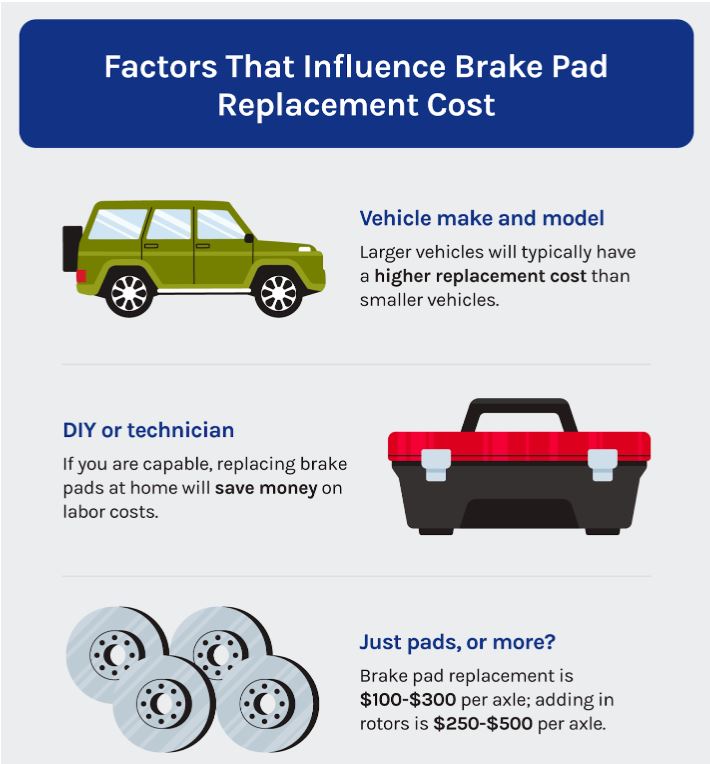
Labor rates for brake and rotor replacement usually range from $70 to $150 per hour. Most shops take about 1 to 2 hours to finish the job. This means labor costs typically fall between $70 and $300. Rates depend on the shop’s experience and the vehicle type. Some specialty cars may cost more to service.
How Labor Costs Vary By Location
Labor prices change based on where you live. Big cities often have higher rates due to higher costs of living. Rural areas and small towns usually offer lower labor charges. Urban shops may charge more but often provide faster service. Always compare local rates before choosing a mechanic.
Diy Vs Professional Replacement
Deciding between DIY brake and rotor replacement or hiring a professional depends on several factors. Understanding the time, effort, risks, and benefits helps make the best choice. Both options have their own challenges and advantages that affect your experience and safety.
Time Investment For Diy
Replacing brakes and rotors yourself takes more time than hiring a mechanic. Expect to spend about two to four hours, depending on your skill level. The process includes removing wheels, old parts, and installing new components. Watching tutorials and gathering tools add to the total time. Patience is necessary, especially if this is your first time.
Risks And Benefits Of Each Option
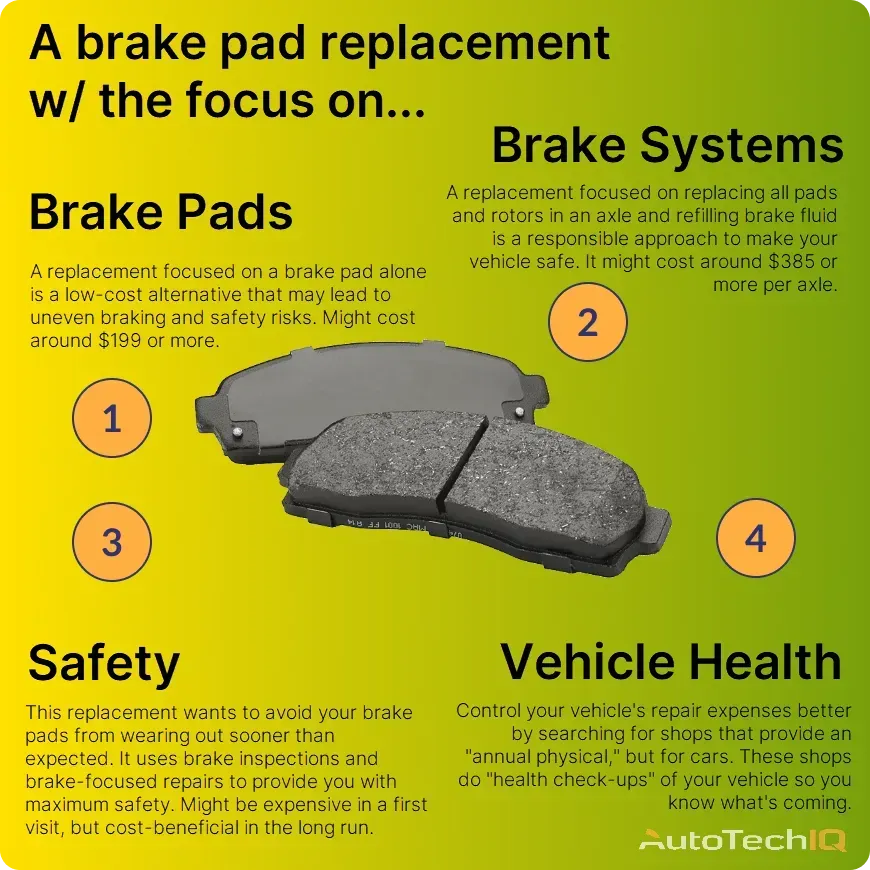
DIY saves money but carries risks. Mistakes can cause brake failure or uneven wear. Proper tools and knowledge reduce risks but do not eliminate them. Professionals work faster and ensure proper installation. They offer warranties and handle complex issues safely. The cost is higher but may prevent costly repairs later. Choosing depends on your confidence and budget.
Credit: www.autotechiq.com
Tips To Save On Labor Costs
Replacing brakes and rotors can be costly, mainly due to labor charges. These charges vary depending on the shop and time of service. Saving on labor costs means planning and choosing wisely. Simple strategies help lower the bill without cutting corners on quality.
Choosing The Right Shop
Not all repair shops charge the same labor rates. Some charge by the hour, while others offer flat fees. Local shops often have lower rates than dealerships. Look for shops with good reviews and fair prices. Ask friends or family for recommendations. A trustworthy shop can save money and ensure quality work.
Scheduling And Timing Considerations
Labor costs can change based on the day and time. Weekdays may have lower rates than weekends. Early morning appointments sometimes cost less. Avoid busy seasons when shops are full and may charge more. Booking in advance helps secure better prices. Timing your brake and rotor replacement can reduce labor fees significantly.
Frequently Asked Questions
How Long Does It Take To Replace Brakes And Rotors?
Replacing brakes and rotors typically takes about 1 to 2 hours. The exact time depends on the vehicle model and mechanic’s experience. Complex vehicles may require more time, while standard cars are quicker. Efficient shops complete the job faster without sacrificing quality.
What Factors Affect Labor Cost For Brake Replacement?
Labor cost varies based on vehicle type, labor rates, and job complexity. Luxury or older cars often need more time, increasing cost. Location also impacts rates, with urban areas generally charging higher fees. Specialized tools or additional repairs can raise the labor price.
Is Diy Brake And Rotor Replacement Advisable?
DIY brake replacement is possible but requires mechanical skill and proper tools. Incorrect installation can lead to safety hazards and costly damage. Beginners should seek professional help or detailed guides. Professional service ensures safety, quality, and warranty coverage.
Can Labor Time Vary By Brake Type Replacement?
Yes, labor time differs between disc and drum brakes. Disc brakes are usually faster to replace due to easier access. Drum brakes involve more steps, increasing labor time. Understanding brake type helps estimate replacement duration accurately.
Conclusion
Replacing brakes and rotors takes some time and skill. Labor costs depend on your car’s make and model. Usually, mechanics spend about one to two hours on this job. Knowing the labor time helps you plan your budget better. Always choose a trusted mechanic for safety and quality.
Keep your brakes in good shape to drive safely. Regular checks can save money and avoid bigger repairs. Brake and rotor replacement is important for your car’s health. Take care of it well.