

Thinking about wrapping your truck but unsure how much vinyl you’ll need? You’re not alone.
Getting the right amount of vinyl is key to a smooth, professional-looking wrap without wasting money or material. You’ll discover exactly how to measure your truck and calculate the vinyl needed. Whether you want a full wrap or just a partial one, we’ll guide you step-by-step so you can plan your project with confidence.
Keep reading to avoid costly mistakes and make your truck stand out the way you want.
Estimating Vinyl Requirements
Estimating how much vinyl you need to wrap a truck helps avoid buying too little or too much. It saves money and time. Start by knowing the truck’s size and shape. Then, calculate the total surface area. Finally, add extra vinyl for overlaps and mistakes.
Measuring Truck Dimensions
Use a tape measure to find the truck’s length, width, and height. Measure each side carefully. Don’t forget the hood, doors, and tailgate. Write down all numbers. Double-check for accuracy. Small errors can affect the total vinyl needed.
Calculating Surface Area
Multiply the length by the height for each side panel. Add the areas of the hood, roof, and tailgate. Total these numbers to get the full surface area. This gives a close estimate of vinyl needed to cover the truck.
Considering Overlaps And Waste
Add about 10% to 15% more vinyl for overlaps and mistakes. Vinyl must overlap at edges for a smooth finish. Some vinyl may get damaged or cut incorrectly. Extra material ensures you have enough to complete the wrap.
Types Of Vinyl Wraps
Choosing the right type of vinyl wrap is important for your truck. Different wraps offer unique looks and qualities. Understanding these types helps you pick the best option for your vehicle and project.
Vinyl wraps vary by finish, texture, and durability. Each type changes how the truck looks and how long the wrap lasts.
Glossy Vs Matte Finishes
Glossy wraps shine and reflect light. They give trucks a smooth, bright look that stands out. Matte wraps have no shine. They offer a flat, modern look that hides fingerprints well. Both finishes come in many colors. Choose based on your style and how you want your truck to appear.
Specialty Textures And Effects
Textured wraps add more than color. You can find carbon fiber, brushed metal, and leather-like textures. Some wraps include chrome or holographic effects. These specialty wraps make trucks unique. They catch attention and show personality. Textured wraps may need more vinyl due to surface design.
Durability And Thickness
Vinyl wraps differ in thickness and strength. Thicker vinyl lasts longer and resists scratches better. Thin vinyl is easier to apply and fits curves well. High-quality wraps protect paint from sun and dirt. Knowing durability helps estimate how much vinyl you need for your truck.
Factors Affecting Vinyl Usage
Estimating the amount of vinyl needed to wrap a truck depends on several key factors. These factors influence how much material you must buy and how much waste you may have. Understanding these details helps plan your project better and avoid running out of vinyl mid-wrap.
Complex Shapes And Curves
Trucks have many curves, edges, and odd shapes. These areas need extra vinyl to cover fully. Wrapping around mirrors, door handles, and wheel wells takes more material. Complex shapes increase vinyl use because of overlaps and cuts.
Trim And Detailing Needs
Trim pieces and decals require precise cuts from vinyl rolls. You must leave enough vinyl to handle mistakes or repositioning. Details like logos or stripes need separate vinyl sheets. These small parts add up and increase the total vinyl needed.
Climate And Installation Environment
Temperature and humidity affect vinyl installation. Hot or cold weather can cause vinyl to stretch or shrink. Installers often use extra vinyl to compensate for these changes. A controlled environment reduces waste, but outdoor wraps need more vinyl to be safe.

Credit: metrorestyling.com
Tools And Materials Needed
Wrapping a truck with vinyl requires specific tools and materials. These items help achieve a smooth, lasting finish. Having the right supplies makes the process easier and more professional. Below are the key tools and materials needed for truck vinyl wrapping.
Essential Wrapping Tools
Start with a good quality vinyl wrap roll. You need enough to cover the entire truck surface. A squeegee helps smooth out the vinyl and remove air bubbles. A sharp utility knife cuts the vinyl cleanly around edges. Heat guns soften the vinyl for better stretch and fit. Magnetic or plastic clips hold the vinyl in place during application.
Surface Preparation Supplies
Clean the truck surface thoroughly before wrapping. Use soap and water to remove dirt and grime. Rubbing alcohol or a surface cleaner removes grease and wax. Microfiber cloths help wipe the surface without scratching. Make sure the surface is dry before starting the wrap.
Safety Gear
Wear gloves to protect your hands from cuts and chemicals. Safety glasses shield your eyes from debris and sharp tools. Work in a well-ventilated area to avoid inhaling fumes from adhesives or cleaners. Dress comfortably but avoid loose clothing that may catch on tools.
Tips For Efficient Vinyl Usage
Using vinyl efficiently helps save money and reduces waste. Careful planning and handling make the wrapping process easier. Follow simple tips to get the best results with less material.
These tips help you use the right amount of vinyl and avoid extra costs. Even small actions can make a big difference in vinyl usage.
Planning The Layout
Measure the truck carefully before buying vinyl. Draw a simple layout to see how the vinyl will cover the truck. Plan cuts to use large sections first. Avoid small, odd-shaped pieces that waste vinyl. Think about the direction of the vinyl grain. This keeps the wrap looking uniform and neat.
Minimizing Waste
Cut vinyl with sharp tools to get clean edges. Use leftover pieces on smaller parts of the truck. Avoid overlapping vinyl too much to save material. Work slowly and check your progress often. Fix small mistakes quickly to prevent bigger problems. Store unused vinyl properly to keep it clean and smooth.
Proper Handling Techniques
Keep vinyl flat and avoid folds or creases. Clean the truck surface before applying vinyl. Use a squeegee to remove air bubbles during application. Heat the vinyl gently to make it flexible around curves. Handle the vinyl with clean hands to avoid dirt. Take breaks to keep your work steady and precise.

Credit: www.digitaltrends.com
Estimating Cost Based On Vinyl Amount
Estimating the cost of wrapping a truck starts with understanding how much vinyl you need. The amount of vinyl directly affects the price. More vinyl means higher material costs. Knowing this helps plan your budget smartly.
Price Per Square Foot
Vinyl wrap prices vary by quality and brand. On average, expect to pay between $2 and $5 per square foot. Premium vinyl costs more but lasts longer and looks better. Calculate the truck’s surface area to estimate material costs. Remember to add about 10% extra vinyl for errors and overlaps.
Additional Costs To Consider
Besides vinyl, other costs may arise. Cleaning and prepping the truck surface is necessary before wrapping. Some trucks need repairs or rust removal first. Custom designs or colors can increase the price. Tools and adhesives might also add to your expenses.
Budgeting For Professional Installation
Professional installation ensures a smooth and durable wrap. Installers charge by the hour or project. Costs range from $500 to $2,500 depending on truck size and complexity. A well-installed wrap lasts longer and looks better. Factor installation costs into your total budget for accuracy.
Credit: metrorestyling.com
Frequently Asked Questions
How Much Vinyl Is Needed To Wrap A Full-size Truck?
Typically, 30 to 50 square feet of vinyl is required to wrap a full-size truck. The exact amount depends on the truck’s size and design complexity. Always buy extra vinyl to accommodate mistakes or pattern matching.
Can I Use Less Vinyl For Partial Truck Wraps?
Yes, partial wraps need less vinyl, usually 10 to 20 square feet. Focus on specific areas like doors or the hood. Measure carefully to avoid running short during installation.
Does Truck Size Affect Vinyl Quantity Needed?
Absolutely. Larger trucks like pickups or flatbeds need more vinyl than compact trucks. Measure your truck’s length, height, and width to estimate accurate vinyl requirements.
How Do Design Complexity And Colors Impact Vinyl Usage?
Complex designs and multiple colors require more vinyl for layering and alignment. Simple single-color wraps use less vinyl. Plan your design carefully to minimize waste.
Conclusion
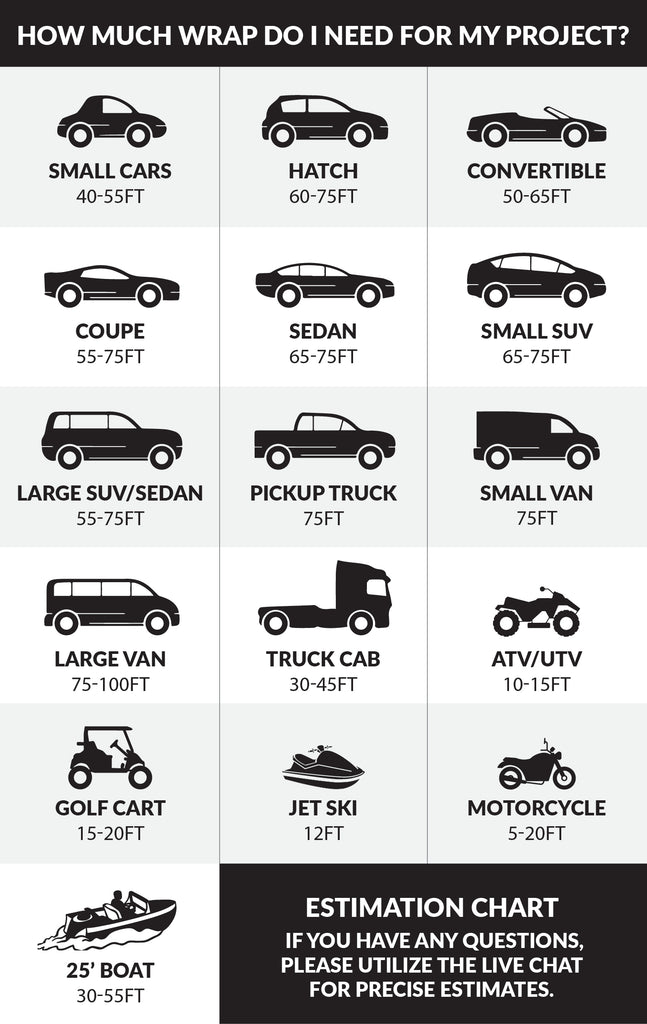
Wrapping a truck needs careful measurement and planning. Most trucks require about 50 to 75 square feet of vinyl. Always add extra material for mistakes or curves. Vinyl quality and design affect how much you need. Taking time to measure well saves money and effort.
Vinyl wrapping can protect your truck’s paint and add style. Keep these tips in mind when starting your project. Choose the right amount of vinyl for the best results.


