

Your brakes and rotors are key to keeping you safe on the road. But how do you know when it’s time to replace them?
Ignoring worn brakes or rotors can lead to costly repairs or even dangerous driving conditions. You might think you can wait until you hear squealing or feel vibrations, but by then, damage could be worse than you realize. You’ll discover clear signs and expert advice on how often brakes and rotors should be changed.
Keep reading to protect your car—and your peace of mind.
Brake System Basics
The brake system is a key part of any vehicle. It helps the car stop safely and quickly. Understanding the basics of brakes can help you take better care of your vehicle. It also helps you know when parts like brakes and rotors need to be replaced.
This section explains the main parts of the brake system and their roles. Learning these basics makes it easier to understand how often brakes and rotors should be changed.
Components Of Brake System
The brake system has several important parts. Brake pads press against the rotors to create friction. This friction slows down the wheels. Rotors are metal discs attached to the wheels. Brake calipers hold the pads and push them onto the rotors.
The system also includes brake lines that carry brake fluid. This fluid helps transfer force from the brake pedal to the calipers. The master cylinder controls the pressure in the brake lines. Each part works together to stop the vehicle safely.
Role Of Brakes And Rotors
Brakes and rotors work as a team to stop the car. When you press the brake pedal, the brake pads clamp onto the rotors. This action slows the rotation of the wheels. The friction between pads and rotors turns kinetic energy into heat.
This heat helps reduce the car’s speed. Over time, brake pads wear down and rotors can get damaged. Both need regular checks to ensure they work well. Properly working brakes and rotors keep the vehicle safe on the road.

Credit: www.reddit.com
Signs Of Brake Wear
Knowing the signs of brake wear helps keep your car safe. Brakes wear out over time. Early detection prevents bigger problems. Watch for clear signals that your brakes need attention.
Noises And Vibrations
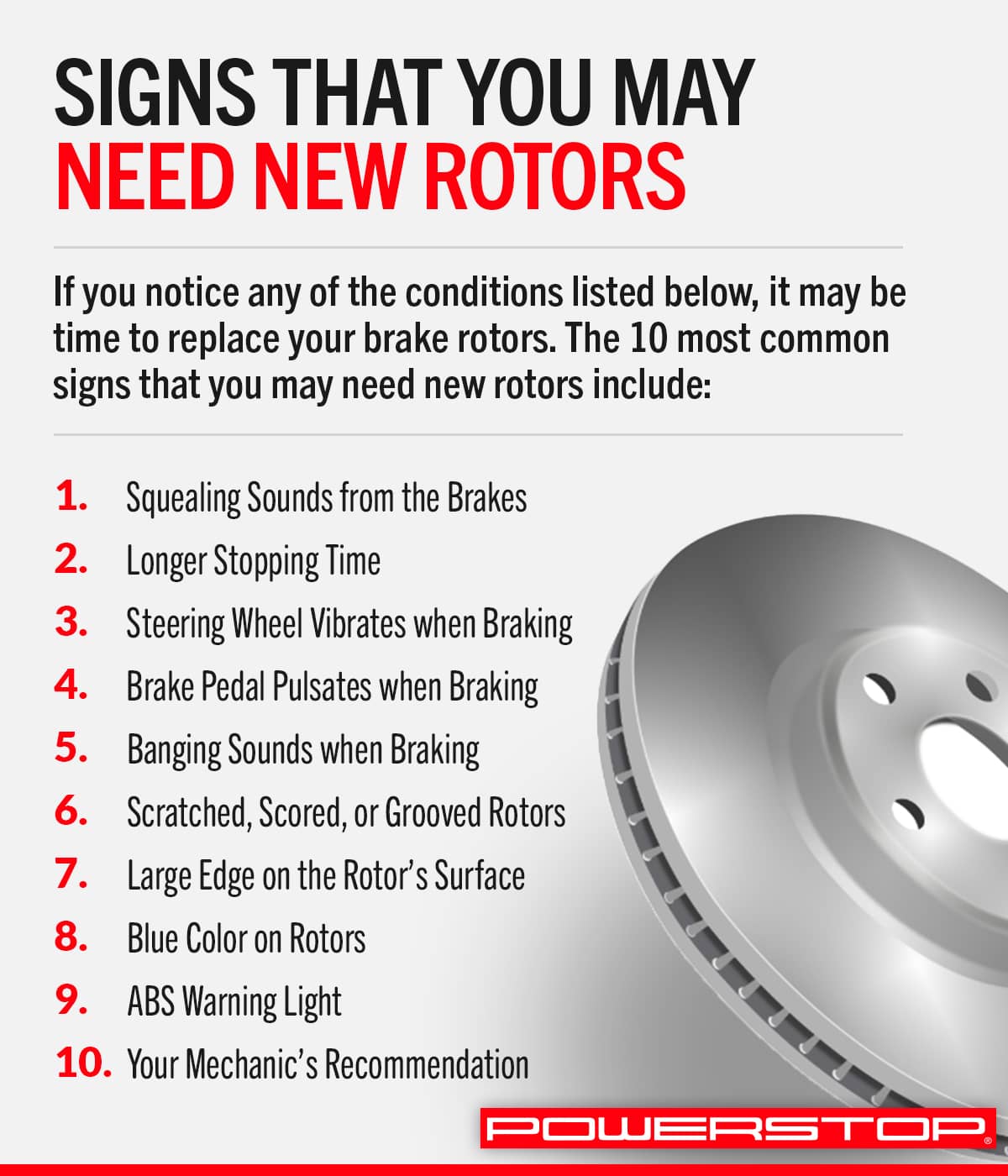
Squeaking or squealing sounds mean brake pads are worn. Grinding noise shows metal rubbing on metal. Vibrations in the brake pedal or steering wheel also warn of brake wear. These noises and shakes should never be ignored.
Reduced Braking Performance
Longer stopping distances indicate worn brakes. The brake pedal may feel soft or spongy. Sometimes brakes respond slower or grab suddenly. These changes reduce driving safety and need quick checkup.
Visual Inspection Tips
Look through the wheel spokes to see brake pads. Pads thinner than 1/4 inch need replacement. Check rotors for grooves, cracks, or rust. Uneven rotor surfaces cause brake problems. Clean brakes help spot wear more easily.
Factors Affecting Brake Lifespan
Brake lifespan varies widely due to many factors. These factors influence how quickly brakes and rotors wear out. Understanding these can help you maintain your vehicle safely and save money.
Driving Habits
Hard braking wears brakes faster. Frequent stops shorten brake life. Gentle braking helps pads last longer. Driving in heavy traffic causes more brake use. Fast acceleration and sudden stops increase wear.
Road Conditions
Hilly or mountainous roads stress brakes more. Rough or uneven roads cause extra wear. Dusty or sandy areas make brakes dirty. Wet or icy roads may require more brake use. Smooth highways put less strain on brakes.
Vehicle Type And Usage
Heavy vehicles wear brakes faster than small cars. Towing loads increases brake stress. Sports cars use brakes more aggressively. City driving uses brakes more often than highway. Regular maintenance affects brake performance and life.
Credit: www.reddit.com
Recommended Replacement Intervals
Recommended replacement intervals for brakes and rotors help keep your car safe. Regular checks prevent accidents and costly repairs. Following these timelines lets your vehicle perform well and stops wear from getting worse.
Different parts wear out at different rates. Brake pads and rotors need attention at specific times. Knowing when to replace each part saves money and improves driving comfort.
Brake Pads Replacement Timeline
Brake pads usually last between 30,000 and 70,000 miles. This range depends on driving habits and road conditions. City driving with frequent stops wears pads faster. Highway driving causes less wear.
Listen for squealing sounds or feel vibrations when braking. These signs show pads need replacement. Check pads every 10,000 miles or during regular service visits. Timely replacement avoids damage to other brake parts.
Rotor Replacement Guidelines
Rotors often last longer than brake pads but need replacement after 50,000 to 70,000 miles. Thin, warped, or cracked rotors reduce braking power. They cause vibrations or noise when stopping.
Measure rotor thickness during brake service. Replace rotors if below the minimum thickness set by the manufacturer. Rotors may need replacement with every second brake pad change. Proper rotor care ensures smooth and safe braking.
Consequences Of Delayed Replacement
Delaying brake and rotor replacement can cause serious problems. Ignoring worn parts puts your vehicle and passengers at risk. It also leads to higher costs later. Understanding these consequences helps you keep your car safe and save money.
Safety Risks
Worn brakes reduce stopping power. Your car takes longer to stop. This increases accident chances. Bad rotors cause vibrations and noise. They also reduce brake efficiency. In emergencies, these issues can cause crashes. Your safety depends on good brakes and rotors.
Increased Repair Costs
Delaying replacement causes more damage. Worn brakes can damage rotors. Damaged rotors need full replacement. Repairing both parts costs more money. Ignoring early signs means bigger bills. Timely replacement saves you from expensive repairs.
Maintenance Tips For Longer Brake Life
Proper brake care helps your vehicle stay safe and saves money. Small habits extend the life of brakes and rotors. Follow simple maintenance tips to keep your brakes working longer. These tips reduce wear and improve performance.
Regular Inspections
Check brakes often to catch problems early. Look for squeaking sounds or vibration while braking. Inspect brake pads and rotors for wear or damage. A quick check every few months helps avoid costly repairs. Trust a mechanic for thorough inspections during routine service.
Proper Driving Techniques
Drive smoothly to reduce brake wear. Avoid hard stops and sudden braking. Coast to slow down when possible. Use lower gears on downhill roads to reduce brake use. Gentle driving helps brakes last longer and keeps you safer.
Quality Parts Selection
Use good-quality brake pads and rotors for lasting results. Cheap parts wear out faster and may damage other components. Choose parts made for your vehicle’s make and model. Quality parts improve braking and save money over time.
Professional Vs Diy Replacement
Deciding between professional brake service and doing it yourself can be tough. Both options have benefits and risks. Understanding these can help you make a safe choice for your vehicle and wallet.
Professional replacement offers expert knowledge. Mechanics have tools and experience to handle complex issues. They can spot hidden damage and ensure everything works well. This reduces the chance of brake failure or uneven wear.
DIY replacement saves money and gives a sense of achievement. It suits those with basic tools and some mechanical skills. But mistakes can cause serious safety problems. Careful attention and patience are key.
When To Seek Professional Help
Choose professional service if you hear strange noises or feel vibrations when braking. If brakes pull to one side or pedal feels soft, see a mechanic. Complex rotor damage or deep brake system issues need expert care. Professionals also handle electronic brake systems and sensors safely.
Basic Diy Replacement Steps
Start by lifting and securing the vehicle safely. Remove the wheel to access the brake parts. Take off the old brake pads and rotors carefully. Clean the brake assembly with brake cleaner. Install new rotors and pads, then reassemble everything. Test brakes gently before driving normally.
Credit: www.powerstop.com
Frequently Asked Questions
How Often Should Brake Pads Be Replaced?
Brake pads typically need replacement every 30,000 to 70,000 miles. This varies by driving habits and vehicle type. Regular inspections help detect wear early. Replacing worn brake pads ensures safe braking and protects rotors from damage.
When Do Rotors Need To Be Changed?
Rotors should be replaced if they are warped, cracked, or below minimum thickness. Signs include vibration during braking or noisy brakes. Regular rotor checks during brake service prevent costly repairs and maintain smooth braking performance.
Can I Replace Brake Pads Without Changing Rotors?
Yes, if rotors are in good condition and within thickness limits. However, worn or damaged rotors can reduce brake efficiency and cause uneven pad wear. Inspect rotors before replacing pads to ensure optimal brake function and safety.
What Are The Signs Of Worn Brakes And Rotors?
Common signs include squealing noises, vibration when braking, longer stopping distances, and brake warning lights. If you notice any, have your brakes inspected immediately. Timely maintenance avoids accidents and costly repairs.
Conclusion
Brakes and rotors wear out with use and time. Regular checks keep your car safe on the road. Most brakes last between 30,000 to 70,000 miles. Rotors may need changing every 50,000 miles or when worn. Listen for squeaking or grinding sounds.
Feel for vibrations when braking. Don’t ignore warning signs; act quickly. Proper care saves money and prevents accidents. Trust your car’s manual and mechanic advice. Stay alert and keep your brakes in good shape. Your safety depends on it.


