

If you drive a diesel vehicle, you might wonder how often you should change your fuel filter. This small part plays a big role in keeping your engine running smoothly.
Ignoring it can lead to costly repairs and poor performance. But how do you know when it’s time for a change? You’ll discover the key signs to watch for and the ideal schedule to keep your diesel engine healthy. Keep reading to protect your vehicle and save money in the long run.

Credit: blog.highflowfuel.com
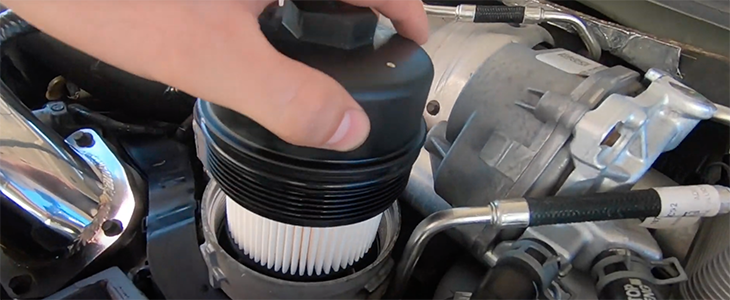
Role Of Fuel Filter In Diesel Engines
The fuel filter plays a key role in diesel engines. It keeps the fuel clean and protects the engine from damage. Diesel fuel can carry dirt and water. These impurities can harm engine parts and reduce engine life. The fuel filter stops these harmful particles from entering the engine.
Protecting Engine Components
The fuel filter shields vital engine parts from dirt and debris. Tiny particles can cause wear and tear. This damage lowers engine efficiency and can lead to costly repairs. Clean fuel helps the engine run smoothly and last longer.
Filtering Contaminants
Diesel fuel often contains contaminants like rust, dust, and water. The fuel filter traps these impurities before they reach the engine. Water in fuel can cause corrosion and poor combustion. The filter keeps the fuel clean to ensure proper engine function.
Impact On Performance
A clogged fuel filter reduces fuel flow to the engine. This causes poor acceleration and engine stalling. Clean fuel filters help maintain steady power and smooth running. Regular filter changes keep the engine performing at its best.
Credit: boodmo.com
Signs Of A Clogged Fuel Filter
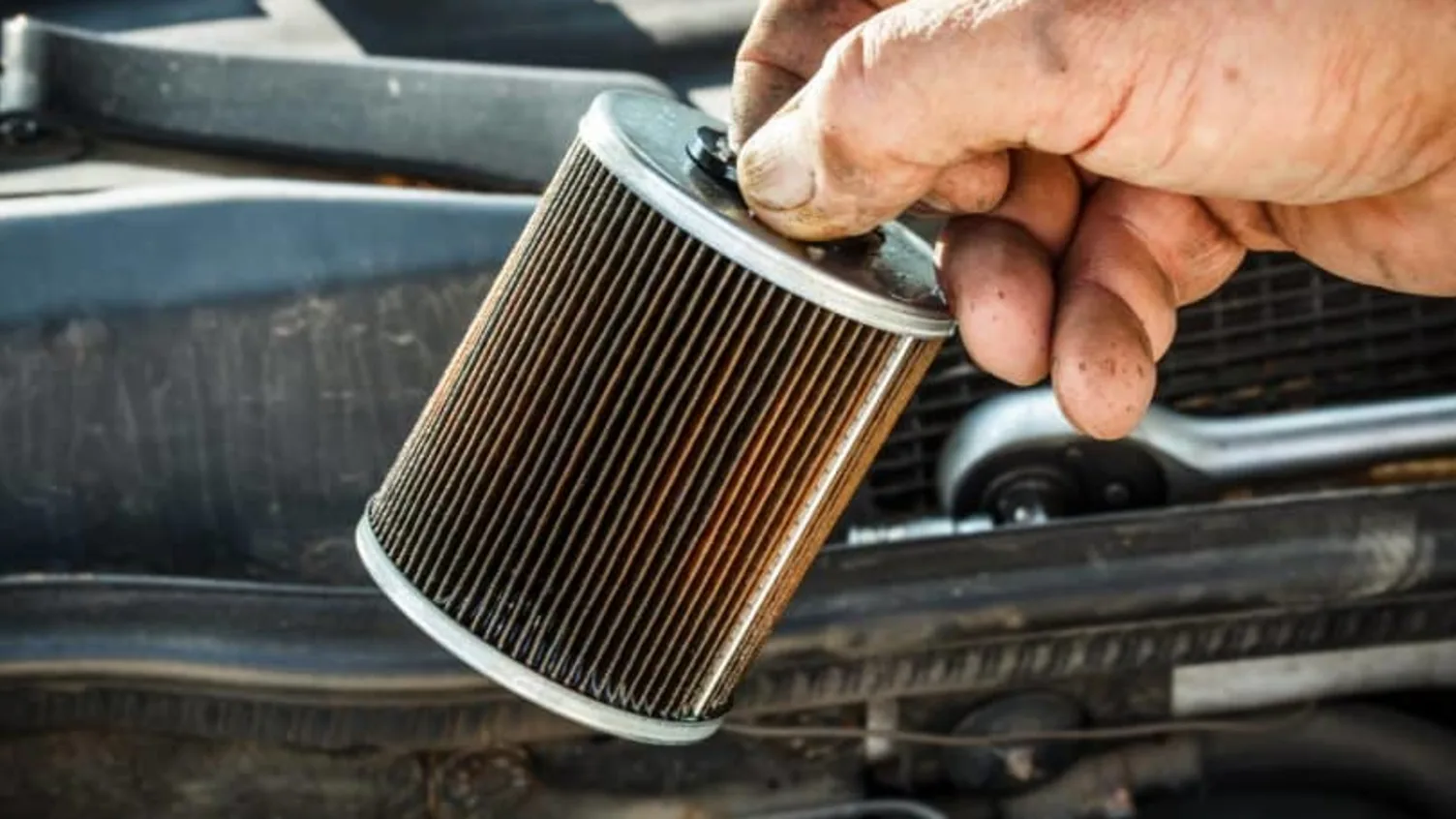
A clogged fuel filter can cause serious problems for diesel engines. It stops fuel from flowing well. This can lead to poor engine performance and damage over time. Recognizing the signs early helps avoid costly repairs and keeps the engine running smoothly.
Engine Misfires
One common sign of a clogged fuel filter is engine misfires. The engine may run rough or jerk while driving. This happens because the fuel supply is inconsistent. Misfires can cause the engine to lose power and stall unexpectedly.
Reduced Fuel Efficiency
Fuel efficiency drops when the filter clogs. The engine works harder to get fuel. This wastes more fuel than usual. Drivers may notice they fill up the tank more often. Poor fuel economy is a clear warning sign.
Difficulty Starting
Starting the engine becomes difficult with a clogged filter. The fuel flow is blocked or slow. The engine may crank longer or fail to start. This issue often gets worse over time. It is a strong indicator that the fuel filter needs checking.
Recommended Change Intervals
The fuel filter in a diesel engine needs regular changes to keep the engine clean and running well. Changing the fuel filter at the right time stops dirt and water from damaging the engine parts. Knowing the recommended change intervals helps avoid engine problems and saves money on repairs.
These intervals depend on several factors such as the vehicle, driving conditions, and fuel quality. Checking the right schedule ensures your diesel engine stays healthy and efficient.
Manufacturer Guidelines
Vehicle makers provide specific fuel filter change intervals in the owner’s manual. These guidelines match the engine’s design and fuel system needs. Following them keeps the warranty valid and engine safe. Manuals often list intervals in miles or months, whichever comes first. Always check these recommendations before planning a fuel filter change.
Mileage-based Recommendations
Many experts suggest changing the fuel filter every 15,000 to 25,000 miles. This range suits normal driving conditions and average fuel quality. High mileage means more dirt and debris pass through the filter. Replacing it at these intervals stops clogging and fuel flow issues. Tracking your vehicle’s mileage helps you decide the right time to change the filter.
Time-based Replacement
Fuel filters also need changes based on time, not just miles. Over time, filters degrade even without heavy use. Most manufacturers recommend changing the filter every 12 to 24 months. This prevents moisture buildup and filter breakdown inside the fuel system. If a vehicle is used less often, time-based changes keep the fuel clean and engine parts protected.
Factors Affecting Fuel Filter Life
The life of a diesel fuel filter varies widely. Several key factors influence how often you need to change it. Understanding these helps keep your engine running smoothly. It also prevents costly repairs and downtime.
Fuel Quality
Fuel quality is the biggest factor in filter life. Poor quality diesel contains more dirt and water. These contaminants clog the fuel filter faster. Clean fuel extends the filter’s lifespan. Always use fuel from trusted sources.
Driving Conditions
Driving conditions also affect fuel filter wear. Rough roads cause more vibrations. This can loosen particles in the fuel tank. Frequent short trips prevent fuel from heating up. Cold fuel may cause wax build-up. Both conditions block the filter sooner.
Engine Type
Different diesel engines use different filters. Some engines require finer filtration. These filters trap smaller particles and clog faster. High-performance engines may need more frequent changes. Check your engine manual for specific advice.
Steps To Change A Diesel Fuel Filter
Changing a diesel fuel filter helps keep your engine clean and running well. It usually needs changing every 10,000 to 15,000 miles. Regular replacement stops dirt from blocking fuel flow and causing engine problems.
Tools Needed
Changing a diesel fuel filter requires a few basic tools. You need a new fuel filter suitable for your vehicle model. A wrench or socket set helps remove filter fittings. A drain pan catches any spilled fuel. Clean rags are useful to wipe surfaces and hands. Gloves protect your skin from fuel exposure. Safety glasses shield your eyes from splashes. Having these tools ready makes the job easier and quicker.
Safety Precautions
Work in a well-ventilated area to avoid inhaling fuel fumes. Keep away from open flames or sparks to prevent fires. Wear gloves to protect your skin from fuel. Use safety glasses to guard your eyes. Dispose of old fuel and filters properly. Avoid smoking during the process. Keep a fire extinguisher nearby as a precaution. Always follow vehicle manufacturer guidelines for safety.
Step-by-step Process
Start by turning off the engine and letting it cool. Locate the fuel filter, usually near the engine or fuel tank. Place the drain pan under the filter to catch fuel. Use the wrench to loosen and remove the old filter. Be careful; fuel may spill out during removal. Clean the filter housing with a rag. Install the new filter by aligning it correctly. Tighten the fittings securely but do not over-tighten. Prime the fuel system if needed, following the manual. Start the engine and check for leaks. Dispose of the old filter and fuel safely.
Benefits Of Regular Fuel Filter Replacement
Replacing the fuel filter regularly in diesel engines keeps the system clean and efficient. Dirt, rust, and debris can clog the filter over time. This can cause many engine problems. Clean fuel helps the engine run smoothly. Regular changes prevent costly repairs and keep your diesel vehicle in good shape.
Improved Engine Performance
A clean fuel filter allows fuel to flow easily to the engine. This improves combustion and power output. The engine starts faster and runs without hesitation. You notice smoother acceleration and less stalling. Dirty filters reduce fuel flow, causing poor engine response.
Extended Engine Life
Fuel filters trap harmful particles that damage engine parts. Regular replacement stops dirt from reaching the fuel injectors. This reduces wear and tear on engine components. Clean fuel helps maintain engine health. Engines last longer and need fewer repairs with fresh filters.
Better Fuel Economy
A clean fuel filter helps the engine burn fuel efficiently. Fuel flows at the right rate, avoiding waste. This means the engine uses less fuel for the same power. You spend less on fuel over time. Dirty filters cause poor fuel use, increasing costs.
Common Mistakes To Avoid
Changing the fuel filter in diesel engines is important for smooth running. Many people make mistakes that cause damage or reduce engine life. Avoiding these errors helps keep your engine healthy. Here are common mistakes to watch out for.
Ignoring Warning Signs
Warning signs like poor engine performance or difficulty starting are important. They show the fuel filter may be clogged. Ignoring these signs can cause bigger problems. Check your engine’s behavior regularly. Act fast if you notice any issues.
Using Low-quality Filters
Cheap filters may seem like a good deal but they can harm your engine. Low-quality filters do not trap dirt well. This lets contaminants enter the engine. Always buy filters from trusted brands. Quality filters protect your engine better and last longer.
Improper Installation
Installing the fuel filter wrong can cause leaks or poor fuel flow. Follow the instructions carefully when changing the filter. Use the right tools and avoid forcing parts. Proper installation ensures the filter works as it should.
Credit: www.bigboxcars.com.au
When To Seek Professional Help
Knowing when to seek professional help with your diesel fuel filter can save your engine. Some problems need expert care to avoid costly damage. Watch for signs that go beyond regular maintenance.
Persistent Engine Issues
Engine trouble that does not go away after changing the fuel filter needs attention. Rough idling, stalling, or poor power can signal deeper problems. A mechanic can diagnose if the fuel filter or other parts cause these issues.
Complex Fuel Systems
Modern diesel engines have complicated fuel systems. Some filters are hard to reach or require special tools. Professionals know how to handle these systems safely and correctly. They prevent mistakes that could cause leaks or damage.
Warranty Considerations
Many diesel vehicles come with warranties covering fuel system repairs. Improper filter changes might void your warranty. Taking your vehicle to a certified technician keeps the warranty intact. This protects your investment and ensures proper service.
Frequently Asked Questions
How Often Should Diesel Fuel Filters Be Replaced?
Diesel fuel filters should be replaced every 10,000 to 25,000 miles. This varies by vehicle type and fuel quality. Regular changes prevent clogging and engine damage, ensuring optimal performance and fuel efficiency.
What Are Signs Of A Clogged Diesel Fuel Filter?
Common signs include engine misfires, reduced power, and difficulty starting. You may also notice increased fuel consumption. Timely filter replacement can avoid costly repairs and maintain smooth engine operation.
Can Ignoring Fuel Filter Changes Damage My Diesel Engine?
Yes, ignoring changes can cause fuel flow restrictions. This leads to engine stalling, poor acceleration, and injector damage. Regular filter maintenance protects your engine and extends its lifespan.
Does Fuel Quality Affect Fuel Filter Lifespan?
Yes, poor fuel quality clogs filters faster. Contaminants like dirt and water reduce filter efficiency. Using clean fuel and timely filter replacement improves engine reliability and performance.
Conclusion
Changing your diesel fuel filter regularly keeps your engine running well. It helps avoid dirt and water from damaging parts. Most experts suggest replacing it every 10,000 to 25,000 miles. Check your vehicle’s manual for exact advice. Clean fuel means better performance and fewer repairs.
Don’t wait for problems to start. A fresh fuel filter saves money and stress in the long run. Simple care can keep your diesel engine healthy and strong.

