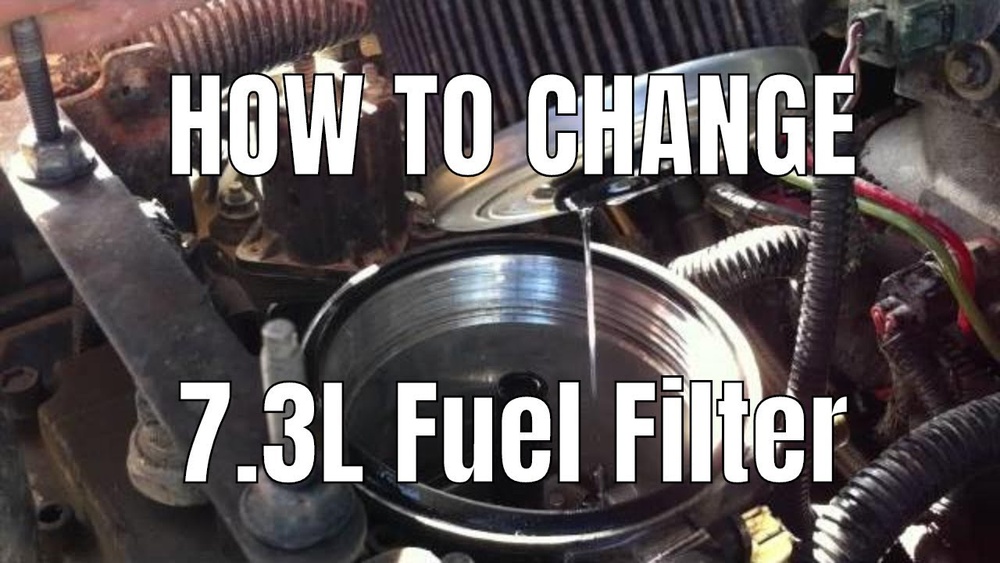
If you own a diesel truck, you know how important it is to keep it running smoothly. One key part that often gets overlooked is the fuel filter.
But how often should you change the fuel filter on your diesel truck? Getting this wrong can lead to poor engine performance, costly repairs, and wasted fuel. You’ll discover the ideal timing for changing your fuel filter, signs that it’s time for a replacement, and simple tips to keep your truck in top shape.
Keep reading to protect your engine and save money in the long run.
Importance Of Fuel Filter
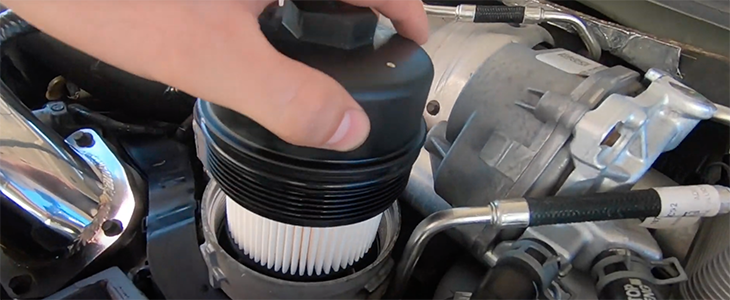
The fuel filter plays a key role in keeping a diesel truck running smoothly. It stops dirt, rust, and other particles from entering the engine. Clean fuel means the engine works better and lasts longer. Changing the fuel filter regularly protects the truck and saves money on repairs.
Protecting The Engine
The fuel filter blocks harmful dirt and debris from reaching the engine. These particles can cause damage to fuel injectors and other engine parts. A clogged filter makes the engine work harder. Clean fuel filters help the engine run smoothly and avoid costly damage.
Improving Fuel Efficiency
A clean fuel filter lets fuel flow freely to the engine. This helps the engine burn fuel efficiently. A dirty filter reduces fuel flow and makes the engine use more fuel. Changing the fuel filter on time can improve mileage and reduce fuel costs.
Preventing Contamination
Diesel fuel can contain water, dirt, and other impurities. The fuel filter catches these contaminants before they reach the engine. Contaminated fuel causes engine problems and reduces performance. Regular filter changes keep the fuel clean and the engine safe.
Credit: boodmo.com
Signs To Replace Fuel Filter
Knowing the signs to replace the fuel filter on a diesel truck helps avoid bigger problems. A dirty or clogged fuel filter stops fuel from flowing well. This affects engine health and truck performance. Watch for these signs. They show the filter needs changing soon.
Engine Performance Issues
The engine may run rough or lose power. You might notice less acceleration. The truck can feel sluggish on hills or under load. Poor fuel flow causes these problems. The fuel filter often blocks dirt and debris. When clogged, it restricts fuel supply. This leads to uneven engine performance.
Difficulty Starting
The truck takes longer to start or won’t start at all. A clogged fuel filter reduces fuel reaching the engine. This makes ignition hard or impossible. You may hear the starter turning but the engine won’t fire. Changing the fuel filter can fix this issue quickly.
Unusual Noises
Listen for strange noises from the engine. Sputtering or coughing sounds may appear. These noises happen when fuel flow is not steady. The fuel filter can trap dirt and block fuel flow. This causes the engine to run unevenly. Replacing the filter often stops these sounds.
Recommended Replacement Intervals
Knowing the right time to change the fuel filter on a diesel truck helps keep the engine clean. It also improves fuel efficiency and avoids costly repairs. Recommended replacement intervals depend on many factors. These include what the truck manufacturer says, the driving conditions, and the truck model.
Manufacturer Guidelines
Truck makers provide specific advice on fuel filter changes. They suggest intervals based on tests and engine design. Usually, this ranges between 15,000 and 25,000 miles. Following these guidelines helps keep the warranty valid. It also ensures the truck runs smoothly for longer.
Impact Of Driving Conditions
Driving in dusty or rough environments clogs filters faster. Frequent stops and heavy loads put more strain on the fuel system. Under such conditions, change the fuel filter more often. This prevents dirt from reaching the engine. Clean filters protect the fuel injectors and boost performance.
Variation By Truck Model
Different truck models have unique fuel system designs. Some use advanced filters that last longer. Others need more frequent replacements due to engine type. Always check the owner’s manual for model-specific advice. Regular checks help spot early signs of filter wear. This keeps your diesel truck running at its best.
Credit: cdspros.com
Factors Affecting Replacement Frequency
Several factors affect how often you need to change the fuel filter on a diesel truck. These factors influence the filter’s lifespan and your truck’s performance. Understanding them helps keep the engine running smoothly and avoids costly repairs.
Fuel filter replacement is not the same for every truck. It depends on what kind of fuel you use, how far you drive, and the environment around you. Let’s explore these factors in detail.
Fuel Quality
Fuel quality plays a big role in how quickly the filter clogs. Poor quality diesel contains more dirt and water. These impurities block the filter faster. Clean, high-grade fuel reduces the need for frequent filter changes.
Using bad fuel increases the risk of engine damage. Always choose fuel from trusted sources. This helps the filter last longer and protects your truck’s engine.
Mileage And Usage
How far and how often you drive affects the filter’s life. Trucks with high mileage need filter changes more often. Frequent starts and stops also wear out the filter faster.
Heavy loads or towing put extra strain on the fuel system. This can reduce filter life. Monitor your truck’s mileage and replace the filter based on use, not just time.
Environmental Conditions
Where you drive influences the filter’s replacement schedule. Dusty or dirty roads fill the fuel with more particles. Cold weather can cause fuel to gel, clogging the filter.
Driving in harsh environments means checking and changing the filter more often. Regular inspections help catch issues early and keep your truck running well.
Step-by-step Replacement Process
Changing the fuel filter on your diesel truck keeps the engine clean and running well. Follow these clear steps to replace the filter safely and correctly. This guide helps you do it right the first time. Keep your truck’s fuel system free from dirt and debris.
Tools Needed
- New diesel fuel filter
- Wrench or socket set
- Screwdriver
- Drain pan
- Rags or paper towels
- Gloves
- Safety glasses
- Clean container for old fuel
Safety Precautions
Work in a well-ventilated area. Diesel fuel fumes can be harmful. Wear gloves and safety glasses to protect skin and eyes. Avoid open flames or sparks near the truck. Make sure the engine is off and cool before starting. Dispose of old fuel and filter parts properly.
Removing Old Filter
Place the drain pan under the filter area. Loosen the filter’s mounting bolts with a wrench. Carefully disconnect the fuel lines from the filter. Let the old fuel drain into the pan. Remove the filter and clean the mounting surface. Check for any cracks or damage on the filter bracket.
Installing New Filter
Compare the new filter with the old one to confirm size and type. Install the new filter on the mounting bracket. Tighten the bolts firmly but do not over-tighten. Reconnect the fuel lines securely to avoid leaks. Prime the fuel system if needed to remove air. Start the engine and check for leaks around the filter.
Credit: bulletproofdiesel.com
Maintenance Tips For Fuel System
Maintaining the fuel system in a diesel truck is key to its long life. Clean fuel and a healthy filter help the engine run smoothly. This section shares simple tips to keep the fuel system in good shape.
Good care lowers repair costs and stops breakdowns on the road.
Regular Inspection
Check the fuel filter and lines often. Look for dirt, cracks, or leaks. Early spotting of problems keeps the system working well. Change the fuel filter if it looks dirty or clogged. Follow the truck maker’s advice for inspection times.
Using Quality Fuel
Choose clean, high-quality diesel fuel. Bad fuel can block the filter fast. It can also harm the engine parts. Buy fuel from trusted stations only. Use fuel additives if needed to keep fuel clean and fresh.
Keeping Fuel Tank Clean
Keep the fuel tank free from dirt and water. Dirt in the tank can go to the filter and cause damage. Drain the tank if water or sludge builds up. Close the tank cap tightly to stop dust and moisture.
Common Mistakes To Avoid
Changing the fuel filter on a diesel truck is important for engine health. Many truck owners make simple mistakes that reduce filter life and engine performance. Avoiding these errors helps keep the truck running smoothly and saves money on repairs.
Ignoring Replacement Schedule
Many skip the recommended time to change the fuel filter. Waiting too long can cause dirt to block fuel flow. This leads to poor engine power and higher fuel use. Follow the truck manual’s schedule strictly to avoid problems.
Using Incorrect Filters
Not all fuel filters are the same. Using the wrong type can cause leaks or poor filtration. Always use filters made for your truck model. Check the part number and quality before buying.
Improper Installation
Putting the filter in wrong causes fuel leaks or air in the system. Tighten fittings properly but not too hard. Make sure seals and gaskets are in place. A poor install can damage the engine over time.
Frequently Asked Questions
How Often Should I Change A Diesel Truck Fuel Filter?
Typically, change your diesel truck’s fuel filter every 15,000 to 25,000 miles. This interval prevents clogging and maintains engine performance. Always check your owner’s manual for specific recommendations.
What Are Signs Of A Clogged Diesel Fuel Filter?
Common signs include engine misfires, reduced power, poor fuel economy, and hard starts. If you notice these, inspect and possibly replace the fuel filter immediately.
Can I Extend Fuel Filter Life On My Diesel Truck?
Yes, using high-quality fuel and keeping the fuel tank clean helps. Regular maintenance and timely replacement also extend the filter’s lifespan effectively.
What Happens If I Don’t Change The Fuel Filter Timely?
Ignoring fuel filter changes can cause engine damage, reduced fuel efficiency, and costly repairs. It’s crucial to replace filters as recommended to avoid issues.
Conclusion
Changing the fuel filter on a diesel truck keeps the engine clean and running well. Dirt and debris can cause problems if the filter stays too long. Check your truck’s manual for the best schedule. Regular changes help save money on repairs.
Don’t wait for signs of trouble to act. Clean fuel means better performance and longer engine life. Stay on top of maintenance to avoid costly issues. Your diesel truck will thank you with smooth, reliable power. Simple steps keep your truck working its best.