

Have you ever wondered if your car’s fuel filter is causing trouble without you even noticing? A bad fuel filter can quietly affect your vehicle’s performance, leading to bigger problems down the road.
But how can you tell if it’s time to replace it before things get worse? You’ll discover clear signs and simple tests to know if your fuel filter is bad. By the end, you’ll feel confident spotting the warning signs early and keeping your engine running smoothly.
Keep reading—your car will thank you!

Credit: www.youtube.com
Role Of A Fuel Filter
The fuel filter plays a critical role in keeping your vehicle’s engine healthy. It cleans the fuel before it reaches the engine. Dirt, rust, and other debris can enter the fuel tank. The fuel filter blocks these particles from moving forward. This helps the engine run smoothly and efficiently.
A clean fuel filter ensures good fuel flow. It protects the fuel injectors and engine parts from damage. Without a working fuel filter, the engine may face problems. The filter also helps improve fuel efficiency and reduces emissions. It keeps the fuel system in good shape for longer.
Filtering Out Dirt And Debris
The fuel filter stops dirt and debris from entering the engine. Dust and rust can come from the fuel tank or fuel lines. These particles can clog the fuel injectors or damage engine parts. The filter catches them and keeps the fuel clean.
Protecting The Fuel Pump
The fuel pump pushes fuel from the tank to the engine. A dirty fuel filter makes the pump work harder. This can cause the pump to wear out faster or fail. The filter helps the pump last longer by keeping fuel clean.
Maintaining Engine Performance
Clean fuel helps the engine run better. A good fuel filter allows steady fuel flow. This keeps the engine running smoothly. A clogged filter can cause rough idling, stalling, or poor acceleration.
Improving Fuel Efficiency
Fuel filters help save fuel by keeping the engine clean. When the fuel flow is steady, the engine uses fuel better. A bad filter can cause the engine to use more fuel. This lowers your vehicle’s fuel economy.
Common Causes Of Fuel Filter Failure
Fuel filters keep dirt and debris out of the engine. Over time, they can fail and cause car problems. Knowing why fuel filters fail helps you spot issues early.
Clogged Fuel Filter
Fuel filters catch tiny particles from dirty fuel. These particles build up and block fuel flow. A clogged filter makes the engine run rough or stall.
Contaminated Fuel
Fuel can contain water, rust, or dirt. These contaminants damage the filter quickly. Poor quality or old fuel raises the risk of filter failure.
Wear And Tear
Fuel filters wear out from normal use. Over time, they lose their ability to clean fuel. Regular replacement is necessary to avoid engine damage.
Poor Installation
Wrong installation can cause leaks or blockages. A loose filter lets dirt bypass the system. Proper fitting ensures the filter works well.
Using The Wrong Filter
Not all filters fit every vehicle. The wrong filter may not filter properly or fit tightly. Always use the recommended filter for your car.
Symptoms Of A Bad Fuel Filter
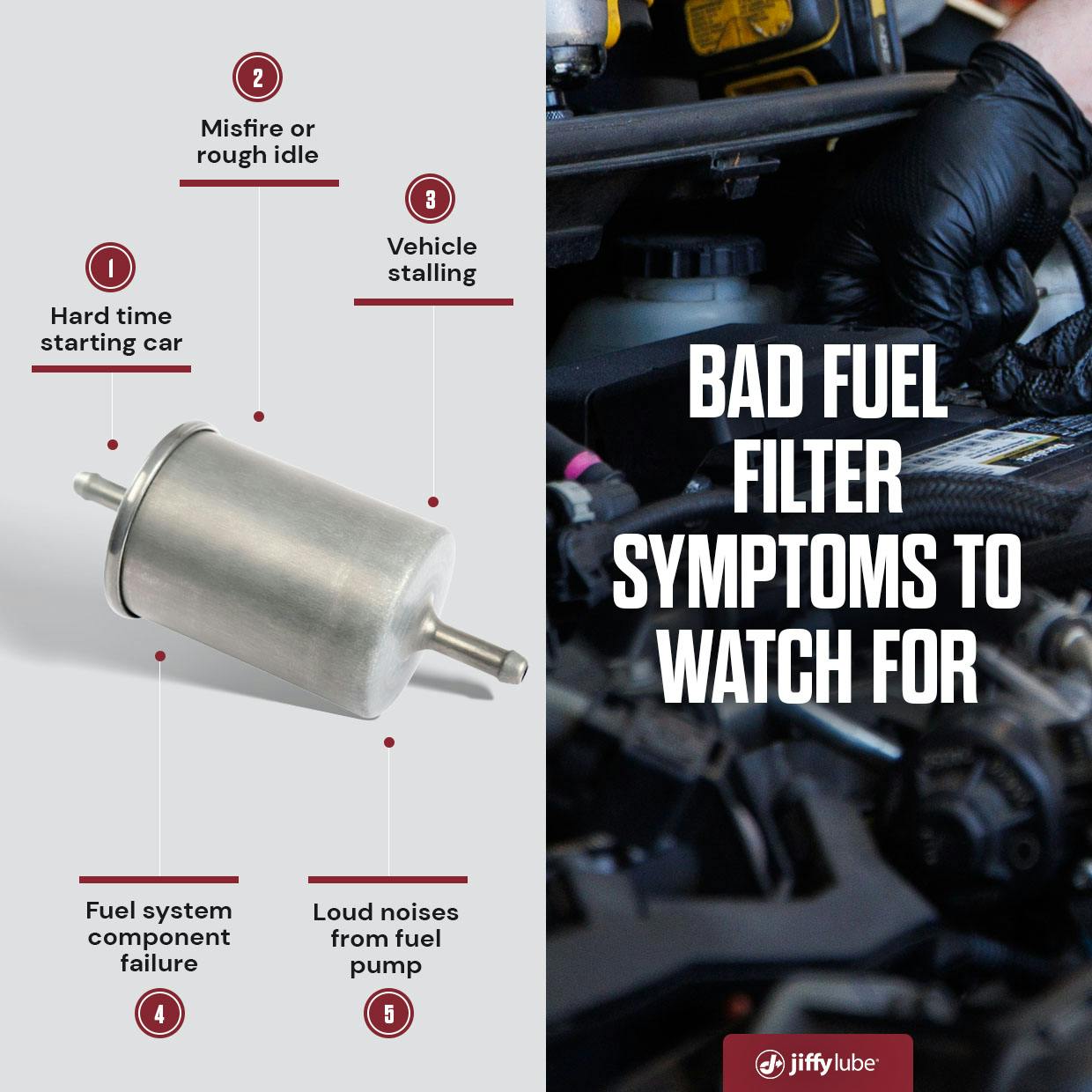
The fuel filter plays a key role in protecting your vehicle’s engine. It traps dirt and debris from the fuel. A bad fuel filter can cause several problems. Knowing the symptoms helps you spot issues early. This guide covers common signs of a failing fuel filter.
Engine Performance Issues
A clogged fuel filter reduces fuel flow. The engine may run rough or stall. You might notice a loss of power during acceleration. Hesitation or sputtering are also common. These issues happen because the engine gets less fuel than needed.
Starting Problems
Hard starting is a clear symptom of a bad fuel filter. The engine may crank but fail to start quickly. Sometimes, it takes several tries to get the engine running. This happens because fuel struggles to reach the engine fast enough.
Fuel Efficiency Drop
A dirty fuel filter can lower your car’s fuel economy. The engine works harder to get fuel. This extra effort uses more gas. You may notice more frequent trips to the gas station. Lower mileage per gallon is a warning sign.
Unusual Engine Noises
Listen for strange sounds from the engine. A clogged fuel filter can cause knocking or sputtering noises. These sounds come from uneven fuel supply. The engine struggles to run smoothly and quietly.
Check Engine Light
The check engine light may turn on with a bad fuel filter. Sensors detect fuel delivery problems. The light warns you to check the engine system. Don’t ignore this signal. It often points to fuel-related issues.

Credit: oilchangers.com
How To Inspect The Fuel Filter
Inspecting the fuel filter is key to keeping your car running smoothly. A bad fuel filter can block fuel flow and cause engine problems. Checking the fuel filter helps catch issues early and saves money on repairs. Below are two simple ways to inspect the fuel filter and spot signs of trouble.
Visual Check
Start by locating the fuel filter under the car or near the engine. Look for any dirt, rust, or damage on the filter’s surface. Check for cracks, leaks, or fuel stains around the filter and its connections. A dirty or damaged filter often shows visible signs. If it looks worn or clogged, it likely needs replacement.
Fuel Pressure Test
Use a fuel pressure gauge to measure the fuel pressure in the fuel line. Connect the gauge to the test port on the fuel rail or fuel line. Turn the ignition on without starting the engine to get a reading. Low or inconsistent pressure can indicate a clogged fuel filter. Compare the reading with the vehicle’s specifications to know if the filter is bad.
When To Replace The Fuel Filter
Knowing the right time to replace your fuel filter helps keep your vehicle running smoothly. A bad fuel filter can cause engine problems and reduce fuel efficiency. Replacing it on time avoids costly repairs and keeps your car healthy.
Manufacturer Recommendations
Car makers suggest specific intervals for changing fuel filters. These recommendations appear in your vehicle’s manual. Most cars need a new filter every 20,000 to 40,000 miles. Following these guidelines protects your engine from dirt and debris. Check the manual to find the exact mileage for your model.
Driving Conditions Impact
Driving habits affect how fast the fuel filter wears out. Rough roads and dusty places make filters dirty quicker. Short trips and stop-and-go traffic also stress the fuel system. In such cases, replace the fuel filter more often than the manual says. Regular checks help spot problems before they grow.
Diy Fuel Filter Replacement Tips
Replacing a fuel filter by yourself can save money and give satisfaction. The process is simple with the right tools and safety steps. This guide helps you change the fuel filter safely and correctly.
Tools Needed
- New fuel filter matching your vehicle model
- Wrenches or socket set
- Flathead screwdriver
- Safety gloves
- Eye protection glasses
- Container to catch fuel
- Rags or paper towels
- Car jack and stands (if needed)
Safety Precautions
- Work in a well-ventilated area to avoid fumes.
- Wear gloves to protect your hands from fuel.
- Use eye protection to guard against splashes.
- Turn off the engine and let it cool before starting.
- Relieve fuel system pressure to prevent leaks.
- Keep a fire extinguisher nearby just in case.
Step-by-step Guide
- Locate the fuel filter under your vehicle or engine bay.
- Place a container below to catch any spilled fuel.
- Loosen the clamps or bolts holding the filter.
- Remove the old filter carefully to avoid spilling fuel.
- Install the new filter in the correct direction.
- Tighten clamps or bolts securely to avoid leaks.
- Check for leaks by starting the engine briefly.
- Dispose of the old filter and fuel-soaked materials safely.
Preventive Measures For Fuel Filter Health
Taking care of your fuel filter helps your vehicle run smoothly. Clean fuel filters stop dirt and rust from reaching the engine. This keeps your car’s parts safe and improves fuel efficiency. Regular care also lowers repair costs and extends the filter’s life.
Simple habits can keep your fuel filter healthy. These habits prevent problems before they start. Follow these easy steps to protect your fuel system.
Regular Fuel Filter Replacement
Change the fuel filter as the car manual suggests. Old filters clog and reduce fuel flow. This can cause engine trouble and poor performance. Stick to the replacement schedule to avoid damage.
Use Quality Fuel
Choose clean, high-quality fuel from trusted stations. Cheap or dirty fuel can contain particles that block the filter. Good fuel helps keep the filter and engine clean. This reduces wear and keeps your car running well.
Keep The Fuel Tank Clean
Avoid letting the fuel tank run too low. Dirt and debris collect at the bottom of the tank. Running low can draw this dirt into the fuel system. Fill the tank regularly to reduce this risk.
Inspect Fuel Lines And Connections
Check fuel lines for leaks or cracks often. Damaged lines let dirt enter the system. Tighten loose fittings to stop fuel leaks. Clean and secure connections support filter health.
Credit: www.jiffylube.com
Frequently Asked Questions
How Can I Tell If My Fuel Filter Is Clogged?
A clogged fuel filter reduces engine power and causes stalling. Look for rough idling, poor acceleration, and engine misfires. These signs indicate restricted fuel flow needing filter replacement.
What Causes A Fuel Filter To Go Bad?
Fuel filters get clogged by dirt, rust, and debris from fuel tanks. Over time, contaminants accumulate, blocking fuel flow. Regular maintenance helps prevent premature filter failure.
How Often Should I Replace My Fuel Filter?
Most manufacturers recommend replacing fuel filters every 20,000 to 40,000 miles. Check your owner’s manual for specific intervals. Timely replacement ensures optimal engine performance and fuel efficiency.
Can A Bad Fuel Filter Damage The Engine?
Yes, a bad fuel filter can cause engine misfires and poor combustion. Contaminated fuel can damage fuel injectors and reduce engine life. Replace the filter promptly to avoid costly repairs.
Conclusion
A bad fuel filter can cause many car problems. It may reduce engine power and cause rough idling. Regularly check your fuel filter for signs of clogging or damage. Clean or replace it to keep your engine running smoothly. Early action saves money and prevents bigger issues.
Stay alert to unusual engine behavior or poor fuel efficiency. Taking care of your fuel filter helps your car last longer. Simple checks make a big difference in vehicle performance.
