

Your car’s brakes are one of the most important safety features you have. But how do you know when it’s time to replace your brakes or rotors?
Ignoring worn-out brake parts can lead to costly repairs or, worse, dangerous driving conditions. If you’ve noticed strange noises, vibrations, or reduced stopping power, it’s time to pay close attention. This guide will help you spot the signs early, so you can keep your car safe and avoid unexpected breakdowns.
Keep reading to learn exactly how to tell if you need new brakes or rotors before it’s too late.
Brake Noise Indicators
Brake noise is a clear sign of worn brake parts. These sounds warn drivers about brake pad or rotor issues. Paying attention helps keep you safe on the road. Different noises point to different problems. Knowing these sounds can guide you to the right fix quickly.
Squealing And Screeching Sounds
Squealing happens when brake pads wear thin. It is a high-pitched noise heard before the brakes fail. Screeching also means the brake pads need replacement soon. This noise comes from a small metal strip in the pads. It acts as a warning signal to stop using worn brakes.
Grinding Or Growling Noises
Grinding is a harsh, rough sound during braking. It means the brake pads are gone, and metal touches metal. This can damage rotors and cause costly repairs. Growling sounds show rotor wear or damage. Both noises need immediate attention to avoid brake failure.
Credit: www.reddit.com
Vibration And Pulsation
Vibration and pulsation are common signs of brake or rotor problems. These sensations often mean parts are worn or damaged. Noticing these feelings early can help avoid bigger issues and keep driving safe.
Steering Wheel Shakes
Feel your steering wheel shake when braking? This usually points to warped rotors. Warped rotors cause uneven contact with brake pads. The result is a shaking or vibrating steering wheel. This happens mostly at higher speeds. It means the rotor surface is uneven and needs attention.
Brake Pedal Pulsing
Does your brake pedal pulse or throb underfoot? This can also signal rotor problems. Warped or worn rotors cause the pedal to move up and down. This pulsing is the rotor’s uneven surface pushing against the brake pads. It can make stopping less smooth and less safe. Checking rotors and brake pads can fix this problem quickly.
Visual Signs On Brakes
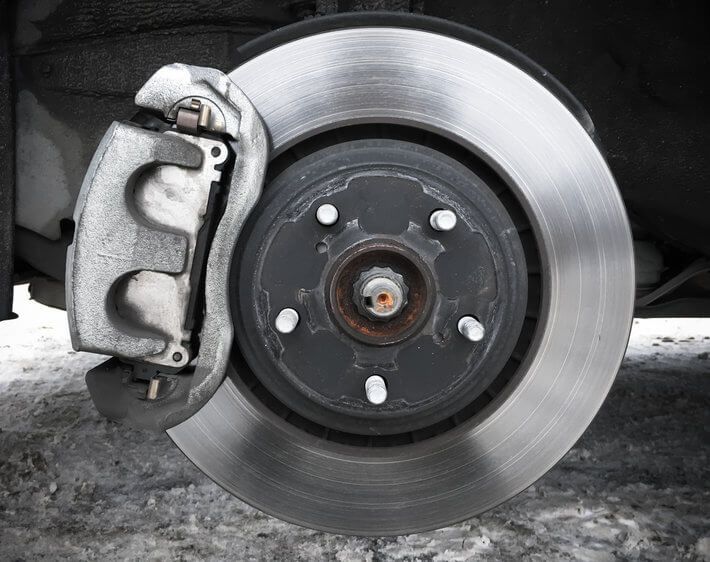
Visual signs on brakes help spot problems early. Checking brakes regularly can prevent bigger issues. You do not need special tools for a simple visual check. Just look through the wheel spokes to see key brake parts.
Thin Or Worn Brake Pads
Brake pads wear down with use. Thin pads mean less material to stop your car. Pads thinner than 3 millimeters need replacement. Worn pads can cause squealing or grinding noises. These sounds mean the brake metal is touching the rotor.
Rotor Surface Damage
Rotors are metal discs that brake pads press against. Look for grooves, cracks, or rust on the rotor surface. Deep grooves reduce braking power and cause vibrations. Cracks can lead to rotor failure, which is dangerous. Rust on rotors may cause noise and poor braking.
Brake Dust Accumulation
Brake dust is a black powder found near wheels. Excessive dust means pads are wearing fast. Dust buildup can reduce brake performance. Cleaning dust regularly helps keep brakes working well. Watch for uneven dust patterns; they can show pad or rotor issues.
Performance Changes
Performance changes in your vehicle’s braking system can signal worn brakes or rotors. These changes affect safety and driving comfort. Recognizing them early helps avoid accidents and costly repairs.
Reduced Braking Power
Your car may feel less responsive when you press the brake pedal. It takes more effort to slow down or stop. This happens because worn brake pads lose grip on the rotors. Thin pads or damaged rotors reduce friction needed for braking. Reduced braking power puts you at risk in traffic or emergencies.
Longer Stopping Distances
Noticeable increase in the distance needed to stop is a serious sign. Your car takes longer to come to a full stop than before. This means your brakes do not work as well as they should. Longer stopping distances can cause accidents, especially in busy streets. Timely brake and rotor checks can keep stopping distances safe.
Brake Warning Lights
Brake warning lights on your dashboard are important signs. They alert you about possible brake problems. Ignoring these lights can lead to dangerous situations. Understanding what these lights mean helps keep your car safe.
What The Brake Warning Light Means
The brake warning light usually looks like an exclamation mark inside a circle. It may also show the word “BRAKE.” This light means your vehicle senses an issue with the brake system. It could be low brake fluid, worn brake pads, or other brake problems.
When The Brake Warning Light Turns On
The light may come on as soon as you start your car. This can be a system check and is normal. If the light stays on while driving, it means a real problem. Stop the car safely and check the brake system. Driving with this light on can be unsafe.
Brake Warning Light And New Brakes Or Rotors
This warning can mean your brake pads or rotors need replacing. Worn brake pads reduce stopping power. Damaged rotors cause vibration or noise while braking. The light helps you know when to inspect or replace these parts.

Credit: www.youtube.com
Age And Mileage Factors
The age and mileage of your vehicle play a big role in brake and rotor wear. Brakes wear down naturally with use. The older your car and the more miles it has, the more likely it needs new parts. Paying attention to these factors helps keep driving safe.
Typical Brake Pad Lifespan
Brake pads usually last between 30,000 and 70,000 miles. This range depends on driving habits and road conditions. City driving with frequent stops wears pads faster. Long highway drives tend to be easier on brakes. Worn brake pads can cause squealing or grinding noises.
Rotor Replacement Intervals
Rotors generally last longer than brake pads. Most rotors need replacement every 50,000 to 70,000 miles. Deep grooves, warping, or vibrations often signal rotor wear. Rotors can sometimes be resurfaced if damage is minor. Regular checks can prevent costly rotor damage.
Professional Inspection Tips
Professional inspection is key to know if brakes or rotors need replacing. A trained mechanic uses specific methods to check the condition of these parts. This helps avoid accidents and costly repairs later. Understanding the inspection process gives confidence when discussing car needs.
Checking Brake Thickness
Brake pads have a certain thickness limit. Mechanics use a gauge to measure this thickness. Pads thinner than 3 millimeters need replacement. Thin pads reduce braking power and increase stopping distance. Checking thickness is quick and shows if pads wear out.
Brake pads wear down over time due to friction. Uneven wear may indicate other problems, like stuck calipers. Regular checks keep brakes working safely and smoothly. It also prevents damage to rotors caused by worn pads.
Measuring Rotor Warping
Rotors must be flat and smooth for proper brake function. Warped rotors cause vibrations and noise when braking. A dial indicator measures rotor runout or warping. If the rotor surface varies more than 0.05 millimeters, it needs attention.
Warped rotors reduce brake contact and cause shaking. This affects control and comfort while driving. Professionals check rotor thickness alongside warping. Thin or warped rotors often require resurfacing or replacement.
Credit: www.tiresplus.com
Frequently Asked Questions
How Do I Know If My Brakes Need Replacing?
You may hear squealing or grinding noises when braking. Your car might pull to one side or brake pedal may feel soft. If stopping distance increases, it’s time to inspect or replace brakes immediately for safety.
What Are Signs Of Worn Brake Rotors?
Worn rotors cause vibrations or pulsations when braking. You may notice uneven wear or grooves on the rotor surface. If brakes feel less responsive or make noise, rotors likely need resurfacing or replacement.
Can I Drive With Bad Brakes Or Rotors?
Driving with bad brakes or rotors is unsafe. It reduces your ability to stop quickly and increases accident risk. Have them inspected and repaired promptly to ensure your vehicle’s safety and proper function.
How Often Should Brake Pads And Rotors Be Replaced?
Brake pads typically last 30,000 to 70,000 miles. Rotors can last longer but may need replacement every 50,000 miles or sooner if damaged. Regular inspections help determine the right time for replacement based on wear.
Conclusion
Worn brakes and rotors can cause serious safety risks. Strange noises or vibrations often signal a problem. Pay attention to how your car stops every day. Regular checks help catch issues early and save money. Don’t wait until braking feels weak or uneven.
Timely repairs keep you safe on the road. Take care of your brakes for smooth, reliable driving. Simple steps can prevent bigger damage later. Stay alert and act quickly if you notice signs. Safe driving starts with good brakes and rotors.

