

Have you ever felt your brakes pulling unevenly or heard strange noises when you stop your car? These could be signs that your rotors are in trouble.
Bad rotors can cause your brakes to fail when you need them most, putting you and everyone around you at serious risk. Understanding how worn or damaged rotors affect your braking system is key to staying safe on the road.
Keep reading to discover exactly how bad rotors can lead to brake failure—and what you can do to prevent it before it’s too late.
Role Of Rotors In Braking
Rotors play a key role in the braking system of any vehicle. They work with brake pads to slow down or stop the wheels. Without healthy rotors, the brakes cannot work properly. This can cause dangerous driving situations. Understanding rotors helps you keep your brakes safe and effective.
Rotors are metal discs that attach to the wheel hub. When you press the brake pedal, the brake pads squeeze against the rotors. This friction slows the wheel’s rotation. If the rotors are worn or damaged, the friction is weak. This can make your brakes fail or feel unsafe.
How Rotors Work
Rotors spin with the wheels of the car. When the brake pads press on them, they create friction. This friction changes the wheel’s motion to slow the car down. The heat created by this friction passes through the rotor. Good rotors help spread the heat evenly. This stops the brakes from overheating and losing power.
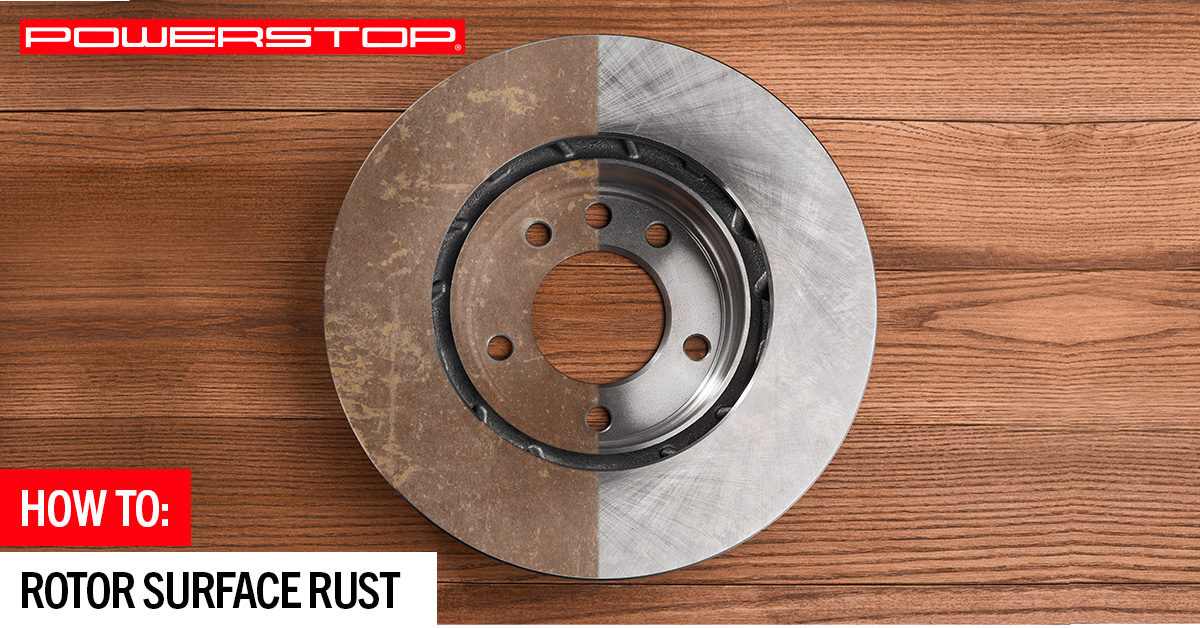
Rotors must be smooth and even. Warped or cracked rotors reduce friction. This leads to vibrations or longer stopping distances. Rotors need to be checked regularly for wear or damage. Proper rotor condition means safer and stronger braking.
Types Of Rotors
Different types of rotors suit different vehicles and driving needs. Solid rotors are simple discs. They work well for everyday driving. Ventilated rotors have air channels inside. These channels help cool the rotor faster during braking. Ventilated rotors are common in larger vehicles or sports cars.
Some rotors have drilled or slotted designs. Drilled rotors have holes to release heat and gas. Slotted rotors have grooves to clean the brake pads. Both types improve braking in wet or harsh conditions. Choosing the right rotor type keeps braking smooth and safe.
Credit: www.powerstop.com
Signs Of Rotor Damage
Rotors are key parts of your braking system. Signs of rotor damage warn you about brake problems. Ignoring these signs can cause brake failure. Watch out for common issues like warping, cracks, and uneven wear.
Warping And Cracks
Warped rotors cause vibrations during braking. You may feel shaking in the brake pedal or steering wheel. Cracks appear from heat and stress on the rotor. Small cracks can grow and cause rotor failure. Both warping and cracks reduce braking power and safety.
Uneven Wear Patterns
Rotors wear unevenly due to bad pads or poor installation. Uneven wear changes the rotor surface and causes noise. You might hear squealing or grinding sounds when braking. This wear also lowers brake performance and can damage other parts. Regular checks help spot uneven wear early.
Impact Of Bad Rotors On Brake Performance
Bad rotors can seriously harm your car’s brake system. They reduce how well brakes work. This can make driving unsafe and cause accidents. Understanding how bad rotors affect brake performance helps you spot problems early. It also shows why regular brake checks are crucial.
Rotors are the round discs that brake pads press against. When rotors wear out or get damaged, they lose their smooth surface. This causes several issues that weaken your brakes.
Reduced Stopping Power
Worn or warped rotors make brakes less effective. The brake pads cannot grip properly. This leads to longer stopping distances. You may find it harder to stop quickly in emergencies. Reduced stopping power increases the risk of crashes. Safe driving depends on strong brake performance.
Brake Vibrations And Noise
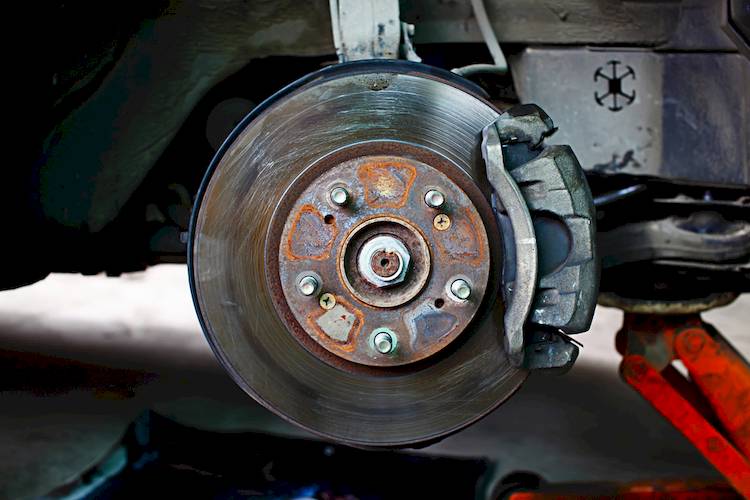
Damaged rotors cause vibrations when braking. You feel shaking through the brake pedal or steering wheel. This happens because the rotor surface is uneven. Brake pads hit the rotor unevenly, creating noise and shaking. Squealing or grinding sounds often mean rotor problems. Vibrations and noise warn you to check your brakes soon.
Credit: www.yourmechanic.com
Safety Risks From Failing Rotors
Failing rotors are a serious safety problem. They affect how well your brakes work. Bad rotors can cause your brakes to stop working properly. This puts you and others at risk on the road.
Rotors that are worn out, cracked, or warped reduce braking power. This means your car may take longer to stop. It can cause sudden brake failure. Understanding these risks helps you stay safe.
Increased Accident Risk
Bad rotors lower your brake performance. Your car may skid or slide during stops. This makes accidents more likely, especially in bad weather. You might not stop in time at traffic lights. The risk of crashing rises sharply.
Loss Of Vehicle Control
Failing rotors cause uneven braking force. Your car can pull to one side unexpectedly. This loss of control is dangerous at high speeds. It becomes hard to steer or avoid obstacles. Driving with bad rotors is a serious hazard.
Preventive Measures
Preventive measures help keep your brakes working safely and smoothly. Bad rotors cause brake failure and accidents. Taking steps to care for your rotors avoids costly repairs and dangerous situations. Simple habits protect your vehicle and your life.
Regular Inspections
Check your brake rotors often to spot damage early. Look for cracks, warping, or deep grooves. Listen for unusual noises during braking. Worn rotors reduce brake power and increase stopping distance. Regular checks help catch problems before they grow.
Timely Rotor Replacement
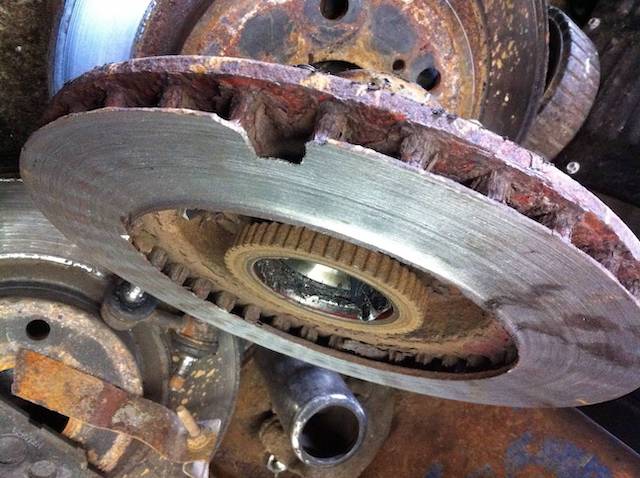
Replace rotors at the first sign of serious wear or damage. Old or thin rotors cannot cool properly and may crack. New rotors restore smooth braking and improve safety. Follow your vehicle’s service schedule for rotor replacement. Don’t wait until your brakes fail completely.
Credit: www.realvolkswagenparts.com
Choosing Quality Rotors
Choosing quality rotors is key to keeping your brakes safe and reliable. Poor rotors can cause brake failure and lead to accidents. Select rotors that last longer and perform well under stress. Understanding the right materials and trusted brands helps you pick the best rotors for your vehicle.
Material Considerations
Rotors come in different materials that affect braking. Cast iron is common and affordable but may wear faster. Composite rotors mix materials for better heat control and less warping. High-carbon rotors resist cracking and reduce brake noise. Choose rotor materials that fit your driving style and conditions.
Brands And Certifications
Trusted brands offer rotors tested for quality and safety. Certifications show rotors meet strict industry standards. Look for certifications like ISO or SAE to ensure reliability. Branded rotors often use better materials and manufacturing processes. Investing in certified rotors helps avoid brake problems and costly repairs.
Frequently Asked Questions
How Do Bad Rotors Affect Brake Performance?
Bad rotors reduce braking efficiency by causing uneven pad contact. This leads to longer stopping distances and unsafe driving conditions.
What Are The Signs Of Worn Or Damaged Rotors?
Signs include vibration when braking, squealing noises, and visible grooves or cracks on the rotor surface.
Can Bad Rotors Cause Complete Brake Failure?
Yes, severely damaged rotors can lead to brake failure by preventing proper friction between pads and rotors.
How Often Should Rotors Be Inspected Or Replaced?
Rotors should be inspected every 12,000 miles and replaced if warped, cracked, or excessively worn.
Conclusion
Bad rotors can cause serious brake problems and make driving unsafe. Worn or damaged rotors reduce stopping power and increase the risk of accidents. Listen for strange noises or feel vibrations when braking. Regular rotor checks keep your brakes working well.
Replace bad rotors quickly to stay safe on the road. Taking care of rotors means better control and peace of mind. Don’t wait for brake failure—act before it’s too late. Your safety depends on good brakes and healthy rotors.

