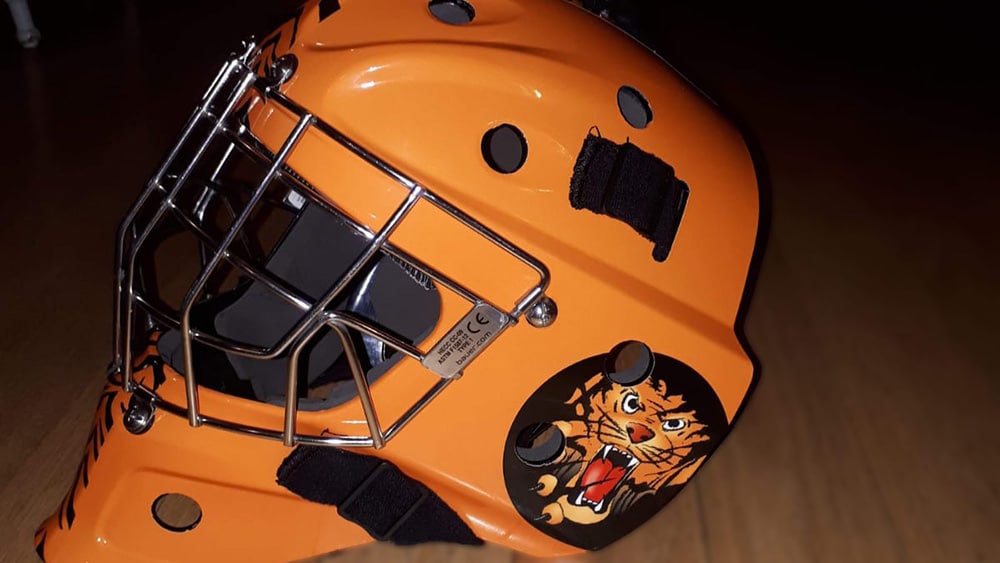
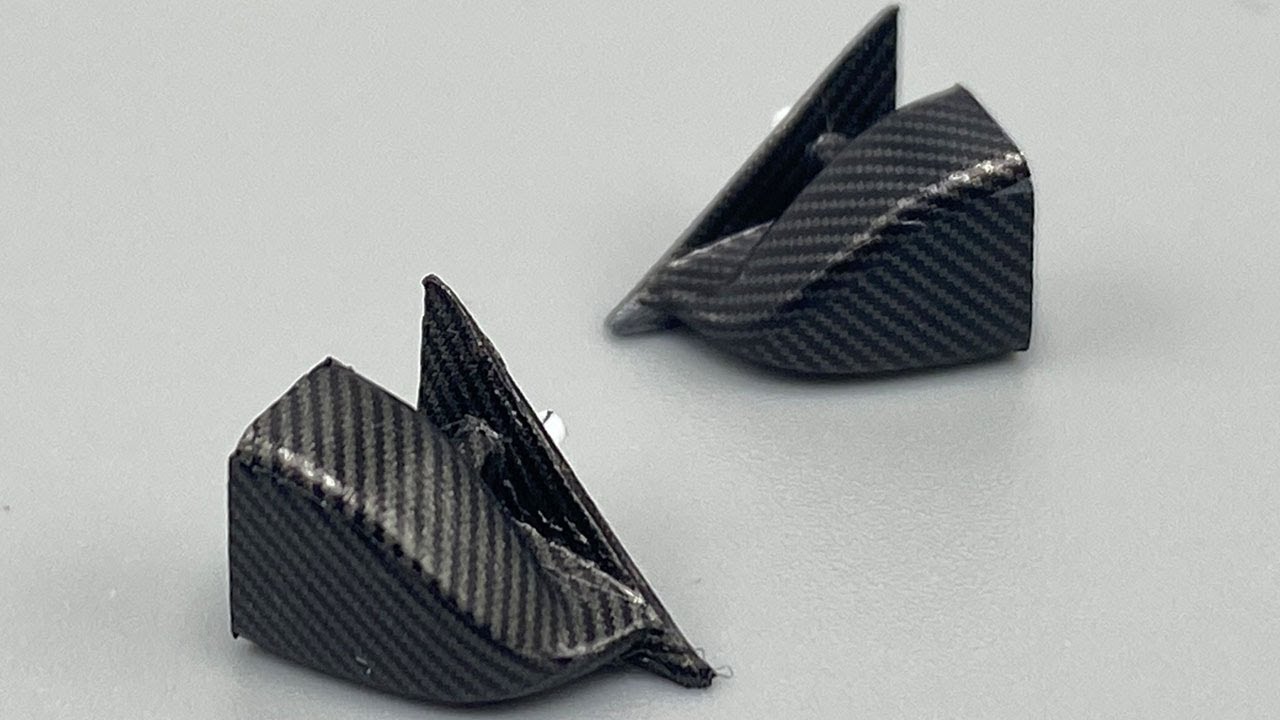
Have you ever wanted to give your small belongings a fresh, stylish look without spending a lot? Vinyl wrapping small objects is a simple and creative way to do just that.
Whether it’s your phone case, laptop, or even a favorite mug, wrapping can protect and personalize your items. In this guide, you’ll discover easy steps and expert tips to help you wrap like a pro. By the end, you’ll feel confident turning ordinary objects into eye-catching pieces that reflect your style.
Ready to transform your stuff? Let’s dive in!
Choosing The Right Vinyl
Choosing the right vinyl is key to a smooth wrapping process. It affects how the wrap looks and how long it lasts. Picking vinyl that matches your object’s size and shape helps avoid wrinkles and bubbles. The right choice also makes it easier to apply and remove.
Types Of Vinyl Wraps
There are several types of vinyl wraps. Cast vinyl is thin, flexible, and lasts longer. It works well on curved surfaces. Calendered vinyl is thicker and less flexible. It fits flat or simple shapes better. Some vinyl wraps have special layers for extra protection. Check the vinyl’s thickness and quality before buying.
Selecting The Best Finish
Vinyl wraps come in many finishes. Glossy finishes shine and reflect light. They make colors look bright and bold. Matte finishes have no shine and give a smooth look. Satin finishes fall between glossy and matte. Choose a finish that matches your style and use. Some finishes hide fingerprints and scratches better.
Tools And Materials Needed
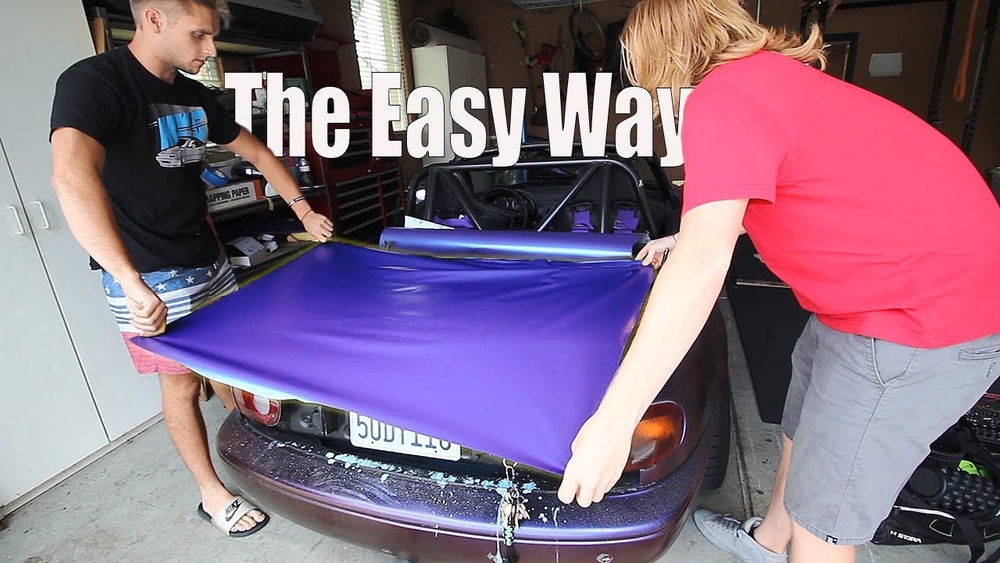
Good tools make wrapping easier. You need a squeegee to smooth the vinyl. A heat gun helps the vinyl stretch and stick. A sharp knife or blade cuts excess vinyl cleanly. Use a lint-free cloth to clean the surface before wrapping. Measuring tape helps cut the right size. Have all tools ready before you start.
Credit: vinylwraptoronto.com
Preparing Small Objects
Preparing small objects for vinyl wrapping is a key step. It helps the vinyl stick well and last longer. Careful preparation avoids bubbles, wrinkles, and peeling. Small items need gentle handling and clear steps. Follow these simple tips to get a smooth finish.
Cleaning And Surface Prep
Clean the object thoroughly before wrapping. Use soap and water to remove dirt and oils. Dry the surface with a soft cloth. Avoid using harsh chemicals that can damage the item. A clean surface helps the vinyl stick better and look smooth.
Removing Old Adhesive
Check if any old adhesive is on the object. Sticky residue can stop the vinyl from sticking properly. Use a gentle adhesive remover or rubbing alcohol to clean it off. Wipe the surface again to remove any leftover residue. Make sure the surface feels smooth and clean before moving on.
Sanding And Priming
Lightly sand rough or glossy surfaces with fine sandpaper. This step creates a texture for the vinyl to grip. Use gentle pressure to avoid damaging the object. After sanding, apply a primer designed for vinyl wrap. Allow the primer to dry fully. This will improve adhesion and extend the life of the wrap.
Cutting And Measuring Vinyl
Cutting and measuring vinyl is a key step in wrapping small objects. It ensures the vinyl fits perfectly and looks smooth. Mistakes during this stage can lead to wrinkles or gaps. Taking time to measure and cut carefully helps you get the best results. This section explains simple ways to measure and cut vinyl accurately.
Accurate Measurement Techniques
Use a flexible measuring tape to measure curves and edges. Measure twice to avoid errors. Write down the dimensions clearly before cutting. Allow a small extra margin for adjustments. Check the object’s shape from all sides. This helps you capture the exact size needed.
Creating Templates
Make a paper template before cutting the vinyl. Trace the object’s shape on paper. Cut out the paper shape and test it on the object. Adjust the template if it does not fit well. Use this template to mark the vinyl. Templates save time and reduce waste.
Cutting For Curves And Edges
Use sharp scissors or a craft knife for clean cuts. Cut slowly around curves to keep smooth lines. Score gently on tight edges to help the vinyl bend. Avoid cutting too deep to prevent damage. Trim small pieces carefully to fit corners perfectly. Proper cutting helps the vinyl wrap smoothly without bubbles.

Credit: raxtify.com
Applying The Vinyl Wrap
Applying vinyl wrap on small objects needs patience and care. This step is important to get a smooth and neat finish. The right technique helps the vinyl stick well and look great.
Positioning The Vinyl
Start by cleaning the object surface. Remove any dust or oil. Place the vinyl wrap gently on the object. Align it carefully before pressing down. Avoid stretching the vinyl at this stage. Check for perfect coverage and fit.
Using Heat For Flexibility
Heat makes the vinyl soft and easy to shape. Use a heat gun or a hairdryer on low heat. Warm the vinyl slowly and evenly. This helps the wrap bend around curves and edges. Be careful not to overheat or burn the vinyl.
Smoothing Out Bubbles And Wrinkles
Use a soft cloth or a squeegee to smooth the vinyl. Start from the center and push outwards. Remove air bubbles and wrinkles gently. Work slowly to avoid tearing the wrap. Repeat heating if needed to soften stubborn areas.
Finishing Touches
Finishing touches bring your vinyl wrap project to life. They make the wrap look neat and last longer. Small objects need careful attention to these final steps. This ensures a smooth, professional finish. Follow these tips to perfect your vinyl wrap.
Trimming Excess Vinyl
Trim the extra vinyl carefully with a sharp blade. Cut close to the edges without damaging the object. Use a ruler or straight edge for clean lines. Take your time to avoid mistakes. Remove all loose pieces to prevent peeling later.
Sealing Edges
Seal the edges to stop the vinyl from lifting. Use a heat gun on low heat to soften the vinyl edges. Press the edges down firmly with a squeegee or cloth. This helps the vinyl stick better and look smooth. Pay special attention to corners and curves.
Curing And Setting Time
Let the vinyl wrap sit for at least 24 hours. This helps the adhesive bond fully with the object. Keep the wrapped item in a warm, dry place. Avoid touching or moving it too much during this time. Proper curing makes the wrap stronger and more durable.
Common Challenges
Vinyl wrapping small objects is fun but can be tricky. Many beginners face common problems that slow down the process. Knowing these challenges helps to prepare and avoid mistakes. This section explains the main issues and how to handle them carefully.
Handling Complex Shapes
Small objects often have many curves and edges. Vinyl can stretch or tear on tight corners. Cut the vinyl into smaller pieces for better control. Use a heat gun to soften the vinyl and make it flexible. Work slowly to wrap every curve smoothly.
Avoiding Air Bubbles
Air bubbles spoil the smooth look of vinyl wrap. They happen when air gets trapped under the vinyl. Use a squeegee to press out bubbles from the center outward. Lift the vinyl gently if bubbles stay and reapply with more care. A slow, steady hand helps prevent bubbles.
Fixing Wrinkles And Tears
Wrinkles appear when vinyl folds or stretches too much. Heat the vinyl softly to relax wrinkles before smoothing them out. Small tears can ruin the wrap. Patch tears with extra vinyl or replace the piece if damage is big. Careful handling reduces these problems greatly.
Maintenance Tips
Maintaining your vinyl-wrapped small objects helps keep them looking fresh and new. Proper care extends the life of the vinyl and protects its colors and texture. Small daily actions make a big difference in preserving the wrap’s quality.
Cleaning Wrapped Objects
Use a soft cloth or sponge for cleaning. Avoid abrasive materials that scratch the vinyl surface. Clean gently with mild soap and water. Rinse thoroughly to remove soap residue. Dry with a soft, clean towel to prevent water spots.
Protecting The Vinyl
Keep wrapped objects away from direct sunlight for long periods. UV rays can fade or damage vinyl over time. Avoid harsh chemicals or solvents that may weaken the wrap. Handle wrapped items with care to avoid sharp edges or rough surfaces that cause tears.
When To Rewrap
Look for signs like peeling edges or color fading. Bubbles or cracks also indicate it’s time to rewrap. Rewrapping restores the object’s appearance and protects its surface. Regular checks help you catch wear early, keeping your items in top shape.
Credit: www.youtube.com
Frequently Asked Questions
What Materials Do I Need To Vinyl Wrap Small Objects?
You need vinyl wrap film, a squeegee, a heat gun, scissors, and cleaning supplies. These tools help you apply vinyl smoothly and securely on small items.
How Do I Prepare Small Objects For Vinyl Wrapping?
Clean the surface thoroughly to remove dust and oils. Use isopropyl alcohol for best results. Ensure the object is dry before applying vinyl.
Can I Use Any Vinyl Wrap For Small Objects?
Choose high-quality vinyl designed for small surfaces. Flexible, air-release vinyl works best. It conforms well to curves and prevents bubbles.
How To Avoid Bubbles When Wrapping Small Objects?
Apply vinyl slowly and use a squeegee to smooth it out. Heat the vinyl slightly with a heat gun to improve flexibility and reduce bubbles.
Conclusion
Vinyl wrapping small objects is simple with the right steps. Clean the surface well before starting. Use a heat gun carefully to shape the wrap. Take your time to avoid bubbles and wrinkles. Practice makes the process easier and more fun.
With patience, small items look fresh and new. Try different colors and patterns to personalize your objects. Enjoy the creativity and protection vinyl wrap offers. Keep these tips in mind for a smooth experience.