

Have you ever wondered how clean your diesel fuel really is? The secret lies in the micron rating of your diesel fuel filter.
Knowing how many microns your filter can trap isn’t just a technical detail—it’s key to protecting your engine and keeping your vehicle running smoothly. If you want to avoid costly repairs and improve performance, understanding this simple number will make all the difference.
Keep reading, and you’ll discover exactly what micron size means for your diesel fuel filter and why it matters to you.

Credit: www.edelbrock.com
Micron Ratings Explained
Diesel fuel filters play a vital role in protecting your engine. They remove tiny particles from the fuel. The size of these particles is measured in microns. Understanding micron ratings helps you choose the right filter. It also shows how well the filter cleans the fuel.
Micron ratings tell you the size of particles the filter can catch. A lower number means finer filtration. This helps keep the engine parts clean and working smoothly.
What Is A Micron
A micron is a unit of measurement. It equals one millionth of a meter. Microns measure very small things, like dirt in fuel. Diesel fuel filters use microns to show filter size. For example, a 10-micron filter traps particles 10 microns or larger.
Small particles can harm the engine. Filters with the right micron size keep these particles out. This helps the engine last longer and run better.
Micron Size And Filtration Efficiency
Micron size affects how well a filter works. A smaller micron rating means more particles get caught. This leads to cleaner fuel reaching the engine. But very small micron filters can clog faster.
Many diesel fuel filters have micron ratings between 2 and 30. Filters with 2 to 10 microns catch most harmful particles. Filters with higher micron ratings catch larger debris only. Choosing the right micron size balances engine protection and filter life.
Good filtration improves fuel flow and engine performance. It reduces engine wear and keeps fuel injectors clean. Understanding micron ratings helps you pick the best filter for your diesel engine.
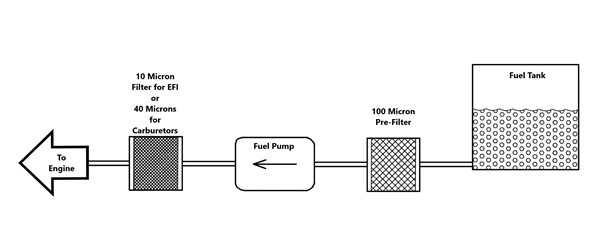
Credit: help.summitracing.com
Typical Diesel Fuel Filter Microns
Diesel fuel filters play a key role in protecting your engine. They keep dirt, rust, and tiny particles out of the fuel system. The filter’s micron rating shows how small the particles it can catch are. Understanding these ratings helps you choose the right filter for your diesel engine. It also helps maintain engine health and performance.
Typical diesel fuel filter microns vary depending on the filter type and engine needs. Most filters range between 2 and 30 microns. Smaller numbers mean finer filtration, which traps smaller particles. Larger numbers allow bigger particles to pass but may last longer before clogging.
Common Micron Ratings
Diesel fuel filters often have micron ratings of 2, 5, 10, or 30 microns. A 2-micron filter catches very tiny particles. It is common in high-pressure fuel systems. A 5-micron filter is popular and balances protection with flow. Filters rated at 10 or 30 microns let more particles pass. These are used where fuel cleanliness is less critical.
Impact On Engine Performance
Finer filters improve engine protection by blocking small debris. This reduces wear on fuel injectors and pumps. Engines run smoother and last longer with cleaner fuel. However, very fine filters can clog faster. Clogged filters reduce fuel flow and cause power loss. Choosing the right micron rating keeps the engine safe and efficient.
Choosing The Right Filter Micron
Choosing the right filter micron is key to protecting your diesel engine. The micron rating shows the size of particles the filter can catch. A smaller micron number means finer filtration but may affect fuel flow. Picking the correct micron size keeps your engine clean and running smoothly.
Factors Influencing Micron Selection
The quality of diesel fuel affects the micron size needed. Dirt, rust, and debris vary by fuel source. Engine type also matters. Newer engines may need finer filters to avoid damage. Driving conditions play a role too. Harsh environments require better filtration. Check your vehicle manual for recommended micron ratings.
Balancing Filtration And Flow Rate
Filters with very small microns trap tiny particles but slow fuel flow. Poor flow can reduce engine performance. Larger micron filters allow better flow but catch fewer particles. Balance is key. Choose a filter that protects the engine without limiting fuel supply. Regular filter changes help maintain this balance. Proper filtration keeps your diesel engine healthy and efficient.
Signs Of A Clogged Diesel Fuel Filter
A diesel fuel filter is vital for keeping your engine clean. Over time, it traps dirt and particles from the fuel. This can cause the filter to clog. A clogged fuel filter limits fuel flow. It affects engine performance and can cause damage.
Performance Issues
A clogged diesel fuel filter causes several engine problems. Your engine may hesitate or stall during driving. It might struggle to start or run unevenly. You could notice a loss of power, especially when accelerating. Poor fuel flow makes the engine work harder. This reduces fuel efficiency and may cause rough idling.
Maintenance Intervals
Fuel filters need regular replacement to avoid clogging. Most diesel vehicles suggest changing the filter every 10,000 to 25,000 miles. Check your vehicle manual for exact intervals. Waiting too long risks filter blockage and engine damage. Regular maintenance keeps fuel flowing smoothly and extends engine life.
Upgrading Diesel Fuel Filters
Upgrading diesel fuel filters can improve your engine’s performance and lifespan. Diesel engines rely on clean fuel to run smoothly. Dirt and particles can damage the engine’s parts. Using a finer micron filter helps trap smaller contaminants. This upgrade means better protection for your engine.
Choosing the right filter size is important. Standard diesel fuel filters usually range from 10 to 30 microns. Upgrading to a filter with a smaller micron rating can catch more dirt. This helps keep the fuel system cleaner and reduces engine wear.
Benefits Of Finer Micron Filters
Finer micron filters catch smaller particles that standard filters miss. This keeps fuel injectors cleaner and improves fuel flow. Cleaner fuel means better combustion and higher engine efficiency. It reduces the chance of clogging and fuel system damage. Over time, this leads to fewer repairs and lower maintenance costs. Finer filters can also improve engine power and fuel economy.
Potential Drawbacks
Finer filters can clog faster because they trap more dirt. This means changing the filter more often is necessary. Some engines may experience reduced fuel flow with very fine filters. It can cause the engine to run poorly or lose power. Choosing too fine a filter for your engine may cause issues. Always check your engine’s manual before upgrading fuel filters.
Testing And Measuring Filter Microns
Testing and measuring the micron rating of a diesel fuel filter is key to ensuring engine protection. This process tells us how small the particles the filter can catch are. Accurate measurement helps maintain fuel cleanliness and engine performance. It also prevents damage from dirt and debris in the fuel system.
Methods Used
One common method uses particle counters to check filter efficiency. This device counts particles before and after the filter. Another method is the use of test dust with known particle sizes. This dust passes through the filter to see what size gets trapped. Microscopic inspection helps verify the size of holes in the filter media. Each method gives clear data on filter performance.
Industry Standards
Standards set by organizations guide testing procedures and micron ratings. ISO 4406 is a popular standard for measuring contamination levels. SAE J905 defines requirements for fuel filter performance. These standards ensure consistent testing across brands and models. Following them helps buyers trust filter quality and reliability. They also help engineers design filters that meet engine needs.

Credit: help.t1racedevelopment.com
Frequently Asked Questions
What Micron Size Is Typical For Diesel Fuel Filters?
Diesel fuel filters usually range from 2 to 10 microns. This size effectively traps dirt and contaminants to protect the engine. The most common size is around 5 microns, balancing filtration efficiency and fuel flow.
Why Is Micron Size Important In Diesel Filters?
Micron size determines the filter’s ability to block small particles. Smaller microns mean better filtration but can reduce fuel flow. Choosing the right size ensures engine protection without performance loss.
How Often Should Diesel Fuel Filters Be Replaced?
Typically, diesel fuel filters should be replaced every 10,000 to 25,000 miles. Replacement frequency depends on vehicle use and fuel quality. Regular changes maintain engine health and prevent clogging.
Can A Larger Micron Filter Harm Diesel Engines?
Yes, larger micron filters allow more contaminants to pass. This can cause engine wear and damage over time. Using the correct micron size is essential for optimal engine protection.
Conclusion
Diesel fuel filters usually have a micron rating between 2 and 10. This size helps trap dirt and protect your engine. Choosing the right micron filter keeps fuel clean and engines running smoothly. Small particles can cause damage if not filtered out.
Regular filter checks help maintain good engine health. Clean fuel means better performance and longer engine life. Remember, the right micron size matters for your diesel vehicle. Keep your fuel filter in good shape to avoid costly repairs. Simple steps make a big difference in engine care.

